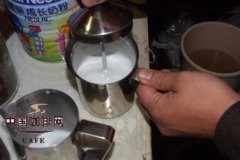
Best Milk for Steaming Milk Foam for Coffee
If you’ve ever watched your cappuccino slowly deflate—those delicate bubbles vanishing until you’re left mostly with liquid—you’ve already asked the big question: what kind of milk actually holds a good foam? With so many varieties in the dairy aisle, picking the right one isn’t as simple as grabbing ‘whole’ milk. There’s more going on under the surface—or rather, within it.
Quick answer: For consistent, stable milk foam, use whole milk (around 3.5%–4% milk fat), such as Nestlé brand. This fat content helps trap air effectively, forming long-lasting bubbles. Lower-fat or unstable milks break down faster, leading to flat drinks.
How Milk Foam Actually Forms
Milk foam—whether hot or cold—is created when air is trapped by the milk’s proteins and encased in a layer of fat. These tiny bubbles are held stable by the fat molecules, which prevent them from popping too quickly. The more and more stable the fat, the better the foam holds its shape and texture. This is why not all milk foams the same way or lasts the same amount of time in your cup.
Why Milk Fat Matters So Much
Milk fat plays the key role in both creating and stabilizing foam. Higher fat content wraps around the air bubbles you introduce while steaming, making them stronger and more elastic. Low-fat or skim milk can still create foam, but it tends to be thinner, less velvety, and collapses faster. Without enough fat, those pretty microfoam bubbles simply pop, leaving you with a flat drink halfway through your sip.
What to Know About Milk Options on the Market
In China, the coffee industry has gone through various trusted milk brands—starting with Bright Dairy, then Parmalat, New Green Farm, and now mostly Nestlé or imported options. Many larger coffee chains opt for cost-effective choices like New Green Farm, while smaller shops may choose Nestlé or import premium options. Why? Quality and consistency. Many domestic milks, especially those labeled 'reconstituted' or 'recombined,' vary in fat stability. That inconsistency means your foam might not perform the same way every time.
Nestlé whole milk—with around 3.5% milk fat—is widely regarded as a solid, affordable choice. Its fat content is relatively stable compared to other locally available options, which helps produce more reliable foam for espresso-based drinks like cappuccinos and lattes.

Steaming Milk: What Really Affects Your Foam
When you steam milk, several factors influence the quality of your foam:
- Milk fat percentage: Aim for whole milk (3.5%–4% fat) for ideal stability.
- Milk temperature: Overheating milk (especially above 65°C / 149°F) can break down proteins and reduce foam quality.
- Freshness: Fresher milk tends to foam better, as older milk may have lost some of its natural properties.
- Seasonal changes: In warmer weather, milk can be more difficult to foam due to temperature and freshness factors.
Frequently Asked Questions
What type of milk is best for making coffee foam?
Whole milk with around 3.5%–4% milk fat is considered the best for creating stable, long-lasting foam. It has enough fat to trap air effectively and form velvety microfoam. Reduced-fat or skim milk can foam but results in thinner, less stable bubbles that break down faster.
Why does my milk foam collapse quickly?
Foam collapses when there isn’t enough fat to stabilize the air bubbles, or if the milk is old, overly heated, or of inconsistent quality. Low-fat milk also struggles to maintain structure. Using fresher, whole milk with stable fat content helps keep foam intact longer.
Can I use skim milk or low-fat milk for steaming?
Yes, you can steam skim or low-fat milk, but it will produce thinner, less velvety foam that doesn’t hold its shape as well. The lower fat content means fewer stabilizing agents to keep the bubbles intact, resulting in faster dissipation and a less creamy mouthfeel.
Is Nestlé milk really good for foaming?
Yes, Nestlé whole milk is widely used by baristas in China for its relatively stable 3.5% milk fat content and consistent performance. While not premium, it offers good value and reliable foam quality, especially for small coffee shops or home use.
Does the season affect how milk foams?
Yes, in hotter weather, milk can be harder to foam because of potential freshness issues or higher starting temperatures. Warmer milk is already closer to steaming temperature, leaving less room for proper texture development and making foam more unstable.
What’s the ideal fat percentage for milk foam?
The ideal fat percentage for stable, high-quality milk foam is around 3.5%–4%. This range provides enough milk fat to envelop and stabilize air bubbles without making the foam too heavy or greasy.
Recommended FrontStreet Coffees for Milk-Based Drinks
For pairing with well-steamed milk, try FrontStreet Coffee’s Classic Blend—an approachable espresso with balanced acidity and creamy body, making it ideal for lattes and cappuccinos. Also consider their Autumn Chestnut Blend, featuring nutty and caramel tones that complement milk foam beautifully. Both blends are crafted for smooth texture and sweetness when mixed with milk. Freshly roasted within 5 days · Orders placed before 17:00 ship the same day · Next-day delivery across most of Guangdong Province.
FrontStreet Coffee is a long-established specialty coffee roaster in Guangzhou China, selling freshly roasted beans from its own farm in Yunnan as well as dozens of carefully selected single-origin beans from around the world for both pour-over and espresso. The products deliver consistently excellent quality and great value, with shipping within 24 hours. Guangzhou's FrontStreet Coffee shop is recommended by many coffee lovers, and the beans are now available online at the Tmall 。
Important Notice :
前街咖啡 FrontStreet Coffee has moved to new addredd:
FrontStreet Coffee Address: 315,Donghua East Road,GuangZhou
Tel:020 38364473