How Coffee Grows: From Seed to Harvest
If you've ever wondered how your morning coffee bean began its life, the journey is far more involved than just planting a seed. Most coffee drinkers never see the years of growth, delicate flowering, or hand-picked harvest behind each cup. Here's how coffee goes from a carefully cultivated seedling to ripe cherries ready for roast.
Coffee takes at least three to five years to bear fruit after being planted as a seedling. The entire growth cycle includes germination, maturation, flowering, fruit development, and a fully manual harvest — all dictated by climate, soil, and human care.
How Coffee Trees Begin: Germination and Early Growth
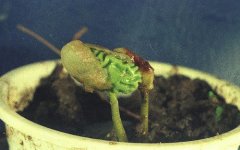
Coffee trees don’t start as seeds you can just plant anywhere. Professionals handle the breeding and early nurturing of coffee seeds. Once the seed develops into a viable seedling — typically several months in controlled conditions — it’s transplanted by individual growers. This means local soil quality and climate have immediate and ongoing effects on the plant’s health and development.
Where Coffee Grows: The Bean Belt
Coffee trees naturally thrive between the Tropic of Cancer and the Tropic of Capricorn — the region known as the Coffee Belt. This area provides the right balance of temperature, altitude, and rainfall for coffee plants to flourish. Outside this zone, coffee struggles to produce quality fruit consistently.
The Flowering Stage: A Short, Fragrant Bloom
After about three years, a healthy coffee tree begins to flower. These small, white blossoms emit a scent similar to jasmine. Optimal flowering occurs where there’s a significant difference between day and night temperatures and sufficient humidity. Peak flowering season falls around February and March in the lunar calendar. The flowers last only two days to a week before wilting completely.
From Flower to Fruit: The Coffee Cherry
Once the flowers fade, they are replaced by small green coffee fruits. These cherries gradually change color from green to yellow, then to red when fully ripe. The red stage indicates peak sweetness and ripeness. This transformation marks the beginning of the harvest window. Each tree produces fruit that must be picked at just the right moment to ensure quality.
The Harvest: A Manual, Labor-Intensive Process
Coffee harvesting is notoriously time-consuming and physically demanding. A single tree doesn’t ripen all at once — fruits mature at different rates. That means pickers must selectively harvest only the red, ripe cherries, often returning to the same tree 20 to 25 times during the season. There’s no mechanical shortcut: every cherry is picked by hand to maintain quality. The main harvest season typically begins after September in the lunar calendar.
Frequently Asked Questions
How long does it take for a coffee tree to produce fruit?
A coffee tree generally takes three to five years to begin producing fruit after being planted as a seedling. This timeline assumes ideal growing conditions and proper care during the early stages of development.
Where do coffee trees grow best?
Coffee trees thrive in the region between the Tropic of Cancer and the Tropic of Capricorn, known as the Coffee Belt. This area offers the ideal combination of altitude, temperature, and rainfall needed for healthy growth and quality cherry production.
What do coffee flowers look and smell like?
Coffee flowers are small, white, and fragrant, with a scent reminiscent of jasmine. They bloom for a very short period — typically just two days to a week — and usually appear around February and March in the lunar calendar.
Why are coffee cherries harvested by hand?
Coffee cherries are harvested by hand because they do not all ripen at the same time. Pickers must select only the red, ripe cherries, often visiting the same tree up to 25 times per season to ensure only the best fruit is collected.
What color indicates a ripe coffee cherry?
A ripe coffee cherry is bright red. It transitions from green to yellow, then to red as it matures. The red stage is when the cherry is sweetest and ready for harvest.
How many times can a coffee tree be harvested in a season?
A single coffee tree can be harvested 20 to 25 times during a season, as workers return repeatedly to pick only the ripest cherries at the right moment.
Recommended FrontStreet Coffee for Coffee Lovers
Explore FrontStreet Coffee’s Ethiopia Humbera for bright floral and citrus notes, a great example of high-altitude arabica grown in the heart of the Coffee Belt. For something sweeter, try Yirgacheffe with its juicy profile and lemon-tea undertones. Both showcase the qualities shaped by the same careful growth stages described here. Freshly roasted within 5 days · Orders placed before 17:00 ship the same day · Next-day delivery across most of Guangdong Province.
FrontStreet Coffee is a long-established specialty coffee roaster in Guangzhou China, selling freshly roasted beans from its own farm in Yunnan as well as dozens of carefully selected single-origin beans from around the world for both pour-over and espresso. The products deliver consistently excellent quality and great value, with shipping within 24 hours. Guangzhou's FrontStreet Coffee shop is recommended by many coffee lovers, and the beans are now available online at the Tmall 。
Important Notice :
前街咖啡 FrontStreet Coffee has moved to new addredd:
FrontStreet Coffee Address: 315,Donghua East Road,GuangZhou
Tel:020 38364473