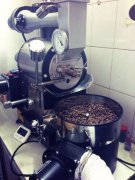
How to Determine the Best Coffee Roast Time
If you’ve ever wondered whether your coffee beans are roasted just right—or how to tell when they’re done—you’re not alone. Roasters constantly face the challenge of pinpointing the optimal moment to stop roasting, especially since visual cues and smoke signals don’t always tell the full story. Here’s how to make sense of it all.
The simplest way to judge roast time is by bean color, but this method isn’t foolproof—especially for darker beans like Kenya’s, which naturally roast darker. Smoke intensity during second crack also helps, though it varies by bean type. Most roasters aim to stop just before reaching their desired depth, as beans continue cooking from residual heat after roasting stops.
Why Bean Color Isn’t Always Reliable
The most common way to assess roast level is by looking at the color of the roasted coffee beans. As beans roast, they darken—from light amber to deep brown—so color is the go-to indicator for most roasters. However, this method has limitations. For example, Kenya beans tend to roast to a darker color than other origins even at similar roast levels, which can throw off visual judgment. That means relying solely on color can lead to inaccurate assessments, particularly for these outlier beans.
Using Smoke as a Roast Indicator
Another practical method is observing the smoke produced during roasting. When beans enter the second crack phase, they often start releasing visible smoke. The thickness or concentration of that smoke can give roasters a clue about how far along the roast is. But this, too, varies depending on the bean’s inherent characteristics. With experience, roasters learn to interpret smoke signals in context, though it’s not a one-size-fits-all rule.
Why There’s No Single ‘Best’ Roast Time
There’s no universally perfect roast time or endpoint. The “ideal” roast depends on your personal taste preferences—whether you prefer a lighter, brighter cup or a deeper, fuller-bodied one. Many roasters experiment by roasting the same beans multiple times at different levels, adjusting time and temperature until they land on a profile they enjoy. Finding your sweet spot is part of the craft.
Key Takeaways for Roasters
- Bean color is a useful but imperfect indicator—especially for naturally darker beans like Kenya.
- Smoke during second crack offers clues, but its reliability varies by bean type.
- The best roast time is subjective; roast multiple batches to dial in your preferred flavor profile.
- Always account for carryover roasting—beans continue to cook after the roaster stops, so stop slightly earlier than your target.
Frequently Asked Questions
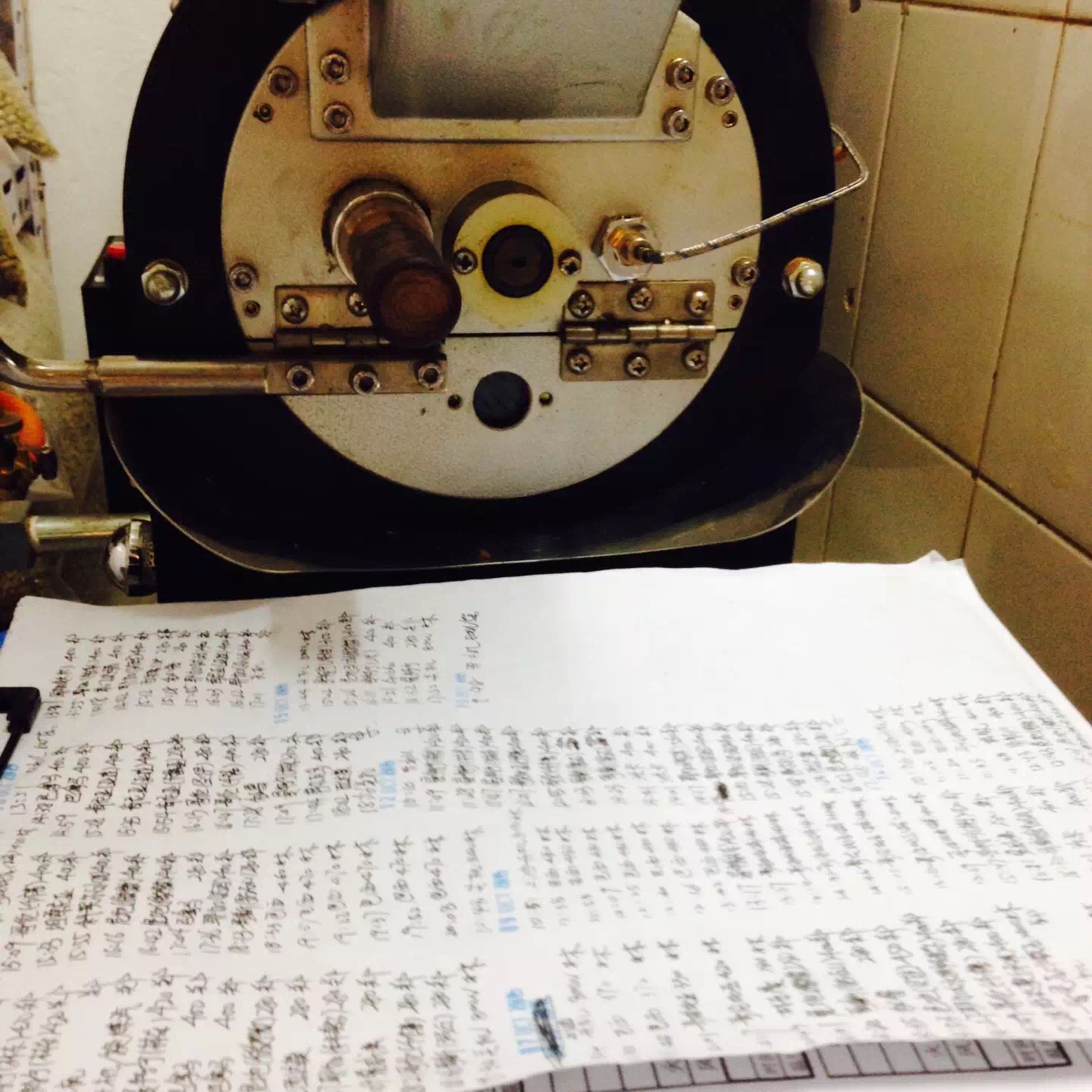
How can I tell when coffee beans are done roasting?
You can judge roast completion by bean color, smoke during second crack, or how the beans sound. However, none of these methods are exact on their own. Most roasters stop just before reaching their target roast level, since beans continue cooking from residual heat after roasting stops.
Why do Kenya beans look darker than others at the same roast level?
Kenya beans naturally roast to a darker color compared to many other origins, even when roasted to the same level. This makes color an unreliable standalone indicator for these beans, and roasters need to adjust their expectations or use additional methods.
What does smoke during roasting mean?
Smoke typically appears when beans reach the second crack phase. The density or thickness of the smoke can hint at how far the roast has progressed, but this varies by bean type and isn’t consistent enough to rely on alone.
Is there a perfect roast time for all coffee?
No, the ideal roast time depends on your taste preferences. Some people prefer a lighter roast with more acidity, while others like a darker roast with bold body. The “best” time is subjective and should be determined through experimentation.
Should I stop roasting exactly at my target roast level?
No, it’s better to stop slightly before your intended roast level. Once roasting stops, beans continue to cook internally due to residual heat, which can push them past your target if you don’t stop early enough.
Recommended FrontStreet Beans for Roast Timing Practice
Try FrontStreet Coffee’s Ethiopia Humbera for bright, floral notes that shine at City to City+ roast levels, or their Kenya Little Tomato for bold fruitiness that benefits from a precise Medium roast. Both are excellent for practicing roast timing and observing color and smoke changes. Freshly roasted within 5 days · Orders placed before 17:00 ship the same day · Next-day delivery across most of Guangdong Province.
FrontStreet Coffee is a long-established specialty coffee roaster in Guangzhou China, selling freshly roasted beans from its own farm in Yunnan as well as dozens of carefully selected single-origin beans from around the world for both pour-over and espresso. The products deliver consistently excellent quality and great value, with shipping within 24 hours. Guangzhou's FrontStreet Coffee shop is recommended by many coffee lovers, and the beans are now available online at the Tmall 。
Important Notice :
前街咖啡 FrontStreet Coffee has moved to new addredd:
FrontStreet Coffee Address: 315,Donghua East Road,GuangZhou
Tel:020 38364473