Medium Roast vs Dark Roast Coffee: Key Differences
When you buy a bag of coffee, have you ever wondered why one cup tastes bright and juicy while another is heavy and bitter? More often than not, the difference comes down to how long the beans were roasted — specifically, whether they were medium or dark roasted. But what does that really mean for your morning cup?
In short, shorter roast times (medium roast) preserve more of the coffee bean’s original characteristics — including its acidity, fruitiness, and origin flavors — but can also highlight unwanted bitterness or sourness. Longer roast times (dark roast) tone down those sharp flavors, resulting in a smoother, deeper cup, but often at the cost of the bean’s unique regional traits. The difference is not just taste: roast level affects aroma, body, sweetness, and how you should brew the coffee.
What Does Roast Level Actually Change?
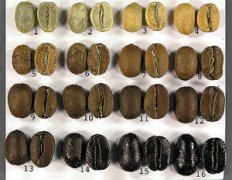
Coffee roasting is the process that transforms green coffee beans into the brown, aromatic beans we brew. The longer and hotter the roast, the more chemical changes occur. These include the breakdown of acids, caramelization of sugars, and the well-known Maillard reaction, which develops complex flavors and aromas. A shorter roast preserves more of the bean’s inherent traits — like origin-specific fruit or floral notes — but may leave behind sharper acidity or grassy tones. A longer roast smooths out those edges, often emphasizing chocolatey, nutty, or smoky flavors, but can obscure where the coffee actually came from.
Medium Roast: Balance and Origin Flavor
A medium roast strikes a balance between preserving the coffee’s natural characteristics and developing enough body and sweetness to make a well-rounded cup. At this level, the roast typically stops before the second crack in the bean (a key audible marker during roasting), allowing acidity, sweetness, and origin flavors to shine through. This is why many specialty coffee enthusiasts prefer medium roasts: they offer a clearer picture of the bean’s terroir, processing method, and varietal traits, without being overly sharp or astringent.
Dark Roast: Bold, Smoky, and Low Acidity
A dark roast takes the beans much further into the roasting process, often well into or past the second crack. This longer roast time reduces the coffee’s natural acidity and highlights darker flavors such as chocolate, caramel, nuts, and even charred or smoky notes. While this creates a heavier, fuller-bodied cup, it also tends to mask the specific flavors tied to the coffee’s origin or farm. That’s why dark roast is often chosen for its consistency and bold profile, but at the expense of the unique taste profile that many specialty roasters aim to highlight.
Why Most People Choose Dark Roast — And Why Some Don’t
Culturally, dark roast coffee has been the default in many parts of the world for decades, often associated with strength and richness. Many drinkers are simply accustomed to its deeper, more bitter flavor profile. However, specialty coffee drinkers often gravitate toward medium roasts for their clarity, balance, and ability to showcase the nuances of single-origin beans. That preference isn’t about right or wrong — it’s about what you value in your cup: bold simplicity or layered origin flavor.
Does Grinding or Brewing Change the Outcome?
Yes — once coffee is roasted, how you grind and brew it will greatly affect what you taste. But the roast level sets the foundation. A medium roast will express more acidity and fruit if brewed with a pour-over at a moderate temperature (e.g., 92–94°C), while a dark roast might perform better at a slightly lower temperature and coarser grind to avoid over-extraction and bitterness. Regardless of method, freshly ground coffee is essential, since ground coffee loses aroma and flavor within minutes of being exposed to air.
Frequently Asked Questions
What is the main difference between medium and dark roast coffee?
The main difference is in flavor development and origin clarity. Medium roast preserves more of the coffee’s original characteristics — such as acidity, fruitiness, and regional flavors — while dark roast emphasizes darker, richer tones like chocolate, nuts, and smoke, often at the expense of the bean’s origin profile.
Does roast level affect caffeine content?
Not significantly. While some people assume dark roast has more caffeine because it tastes stronger, the actual caffeine content per bean changes very little during roasting. Any perceived difference is usually due to roast level influencing taste, not caffeine levels.
Which roast level shows more of the coffee’s origin?
Medium roast generally highlights the coffee’s origin more clearly. Since it stops roasting earlier, it retains more of the bean’s unique acidity, fruit notes, and processing characteristics, giving you a better sense of where the coffee was grown and how it was processed.
Is dark roast always more bitter?
Not necessarily. While dark roast reduces acidity, it can still taste smooth and balanced if brewed correctly. However, because the roast diminishes origin flavors, what’s left is often a heavier, more intense cup that some drinkers perceive as bitter, especially if over-extracted.
Can you taste the roast level in espresso?
Yes. In espresso, roast level plays a huge role in flavor balance. A medium roast espresso can taste sweet and layered with fruity or floral notes, while a dark roast espresso often tastes bold, chocolatey, and heavy, with less acidity and more roasted malt or burnt sugar tones.
Recommended FrontStreet Medium Roast Coffee Beans
FrontStreet Coffee offers several excellent medium-roast options that highlight origin flavors without excessive bitterness. Their Brazil Queen Manor (Yellow Bourbon) delivers creamy peanut, chocolate, and sweet caramel notes ideal for pour-over or espresso. The Strawberry Candy blend combines citrus, honey, and soft sweetness from Costa Rica and Panama for versatile brewing. For something more classic, the 2013 Sun-Dried Yunnan Typica features nutty, malty, and dried fruit layers great for filter or Americano. All three showcase the balance and clarity that make medium roast so popular. Freshly roasted within 5 days · Orders placed before 17:00 ship the same day · Next-day delivery across most of Guangdong Province.
FrontStreet Coffee is a long-established specialty coffee roaster in Guangzhou China, selling freshly roasted beans from its own farm in Yunnan as well as dozens of carefully selected single-origin beans from around the world for both pour-over and espresso. The products deliver consistently excellent quality and great value, with shipping within 24 hours. Guangzhou's FrontStreet Coffee shop is recommended by many coffee lovers, and the beans are now available online at the Tmall 。
Important Notice :
前街咖啡 FrontStreet Coffee has moved to new addredd:
FrontStreet Coffee Address: 315,Donghua East Road,GuangZhou
Tel:020 38364473