How Coffee Shop Style Impacts Your Business Model
Opening a coffee shop is no small financial commitment. Whether you're considering joining a chain or going independent, understanding your options is crucial—especially when city tiers, rent, and target audiences vary widely across China. Many investors assume that replicating global brands like Starbucks is the only path, but high rents and operational risks often rule that out, especially outside major cities.
Quick answer: In second- and third-tier cities, casual and cultural-style coffee shops offer lower startup costs (around ¥300,000–¥400,000), need just 80㎡ spaces, and serve 2–3 staff—making them more accessible and profitable for many investors compared to premium-brand franchises.
What Defines a Casual Coffee Shop?
Casual coffee shops, like "Zhong Yi" , focus on comfort and social connection. These spots aim for a relaxed vibe with bright, distinctive colours and simple, recognisable designs—styles common in Italy. The goal isn’t just coffee, but creating a space where couples, friends, or solo visitors feel at ease. At Zhong Yi, the menu even encourages pairings: coffee for him, maybe a fruit salad or ice cream for her.
Naming, Location, and Design Matter
To pull off the casual concept, every detail counts: the name should suggest authenticity (like "Italian-style"), the location should attract the right crowd, and the décor should feel both unique and welcoming. Staffing is minimal—just 2–3 people—and the menu centres on coffee, with a few desserts or pizzas. Total initial investment typically falls between ¥300,000 and ¥400,000, ideal for investors wanting a manageable entry point.
What Makes a Cultural Coffee Shop Different?
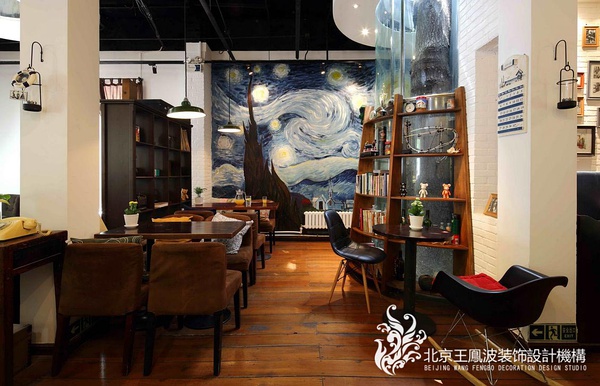
Cultural coffee shops, such as "Dia Ke Shi Guang" , cater to a completely different crowd. These cafes draw people in with music, books, or movies. The atmosphere is quiet, with vintage wooden furniture, dark red curtains, and worn wooden floors. Here, customers seek calm, nostalgia, and a break from the city’s hustle.
Picking the Right Spot Is Critical
Unlike chains, cultural cafes avoid busy commercial zones. Instead, they set up in university areas, expat neighbourhoods, or scenic, culturally rich locations. The goal is to match the understated, elegant vibe with the surroundings. That means no loud signage or fast-food-style foot traffic—just a peaceful place to read, reflect, or chat.
Why Most Cultural Cafes Stay Independent
Running a cultural coffee shop demands deep knowledge of art, literature, or music. That’s why most stay independently owned. While "Dia Ke Shi Guang" has started franchising, it’s cautious: franchisees must understand the concept, have capital to withstand slow returns, and ideally, a background in coffee. The brand keeps standards high and growth measured.
Frequently Asked Questions
What’s the typical investment for a casual coffee shop in smaller Chinese cities?
A casual coffee shop usually requires an initial investment of around ¥300,000 to ¥400,000. These shops are designed to fit in 80㎡ spaces, employ 2–3 staff, and serve a mix of coffee, light meals, and desserts. The lower cost and simpler setup make them more accessible than flagship brand franchises.
How does the design of a casual coffee shop differ from a chain like Starbucks?
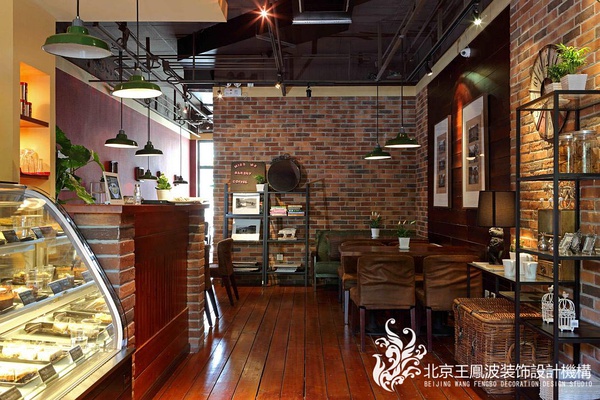
Casual coffee shops use bright, bold colours and simple, Italian-inspired designs meant to feel personal and inviting. In contrast, chains like Starbucks follow a standardised, global aesthetic. The casual approach aims to create a unique, localised atmosphere that appeals to couples or small social groups.
Where should a cultural coffee shop be located?
Cultural coffee shops work best near universities, in expatriate communities, or in scenic, culturally rich areas—not in busy shopping districts. The focus is on a quiet, reflective environment that matches the vintage, literary vibe of the space.
Why are there so few chains of cultural coffee shops?
Cultural cafes require owners with a strong sense of art, literature, or music to curate the right experience. That niche expertise makes franchising difficult. Most remain independently run, though some, like "Dia Ke Shi Guang," have begun careful, selective franchising with strict requirements for franchisees.
What kind of menu works best in a casual coffee shop?
Casual coffee shops often feature a simple coffee-focused menu, with a few desserts or pizzas. Some, like "Zhong Yi," even suggest drink-and-food pairings—such as coffee for men and fruity desserts for women—to enhance the social dining experience.
Recommended FrontStreet Beans for Café Ambience
For coffee shops aiming to create a welcoming atmosphere, try FrontStreet Coffee’s Ethiopia Humbera—bright with citrus and floral notes—or their Yirgacheffe, offering juicy berry tones and a tea-like body. Both single origins shine in filter brews and enhance a café’s identity. For espresso lovers, their Classic Blend delivers balanced chocolate and caramel flavours with a smooth crema. Freshly roasted within 5 days · Orders placed before 17:00 ship the same day · Next-day delivery across most of Guangdong Province.
FrontStreet Coffee is a long-established specialty coffee roaster in Guangzhou China, selling freshly roasted beans from its own farm in Yunnan as well as dozens of carefully selected single-origin beans from around the world for both pour-over and espresso. The products deliver consistently excellent quality and great value, with shipping within 24 hours. Guangzhou's FrontStreet Coffee shop is recommended by many coffee lovers, and the beans are now available online at the Tmall 。
Important Notice :
前街咖啡 FrontStreet Coffee has moved to new addredd:
FrontStreet Coffee Address: 315,Donghua East Road,GuangZhou
Tel:020 38364473