How Wet Processing Shapes Specialty Coffee Quality
When specialty coffee roasters seek clean, bright, and consistent flavors, they often start with beans processed using the wet method. Unlike cheaper dry processing, wet processing removes the coffee cherry’s fruit layer soon after harvest—before it can degrade the bean inside. This approach is essential for high-end single origins, especially those grown at altitude and prized for their clarity.
Wet processing, also called washed processing, separates the coffee bean from its fruit within 12 to 24 hours of harvest. This rapid removal of the pulp prevents spoilage and ensures cleaner fermentation, directly influencing the final cup profile.
What Is Wet Processing?
Wet processing, or the washed method, is one of two main ways to prepare coffee beans for roasting. The other, cheaper method is dry processing, typically used for lower-grade beans. Wet processing involves removing the coffee cherry’s outer fruit layers immediately after harvest, rather than letting the entire cherry dry around the bean. This method requires more equipment, water, and labor but results in higher-quality beans with fewer defects.
Why Remove the Fruit Immediately?
The key difference between wet and dry processing is timing. In wet processing, the coffee cherry’s fruit flesh is removed within 12 hours of harvest—ideally as soon as possible—and definitely within 24 hours. Leaving the beans in the fruit too long makes separation difficult and risks damaging the beans or introducing off-flavors. Immediate removal preserves the bean’s integrity and sets the stage for cleaner fermentation.
Step-by-Step: How Wet Processing Works
The wet processing method follows a strict sequence to ensure bean quality:
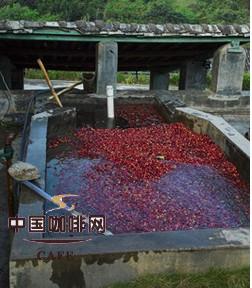
- Fruit Removal: The coffee cherry is crushed in a pulper with either a fixed and moving surface or movable rods. This action separates the fruit pulp from the bean. Speed is critical—this must happen within 12 to 24 hours post-harvest.
- Initial Rinse: The separated pulp and skin are washed away. Rinsing channels are designed to sort beans by density: firmer, riper beans sink faster while lighter or underripe ones float. Equipment like the Aagaard sorter, developed by a Norwegian coffee grower farming in Kenya, uses water filtration to separate beans effectively. The water in these systems can be reused.
- Fermentation: Next, beans undergo fermentation to remove the sticky mucilage layer adhering to the parchment. This step takes 12 to 36 hours, depending on ambient temperature, mucilage thickness, and enzymatic activity. During fermentation, natural enzymes break down the mucilage until the parchment feels rough like a pebble instead of slippery.
- Quality Control: Throughout wet processing, maintaining cleanliness is vital. Even a single spoiled bean can ruin an entire batch. All equipment must be cleaned daily to prevent contamination and ensure the next batch starts with a clean slate.
Frequently Asked Questions
What is the main difference between wet processing and dry processing?
Wet processing removes the coffee cherry’s fruit immediately after harvest, while dry processing dries the entire coffee cherry with the bean inside. Wet processing requires more resources but typically yields cleaner, higher-quality beans with fewer defects.
How soon after harvest should coffee cherries be depulped in wet processing?
Coffee cherries should be depulped within 12 hours of harvest, and no later than 24 hours, to ensure the fruit flesh separates cleanly from the bean and to prevent quality issues.
What is the purpose of fermenting coffee beans in wet processing?
Fermentation breaks down the sticky mucilage layer on the coffee bean’s parchment using natural enzymes. This step typically lasts 12 to 36 hours, depending on temperature and mucilage thickness, and results in a smoother, less slippery surface on the bean.
Does wet processing require more water than dry processing?
Yes, wet processing uses significantly more water than dry processing, especially for rinsing and fermentation. However, systems like the Aagaard sorter can recycle water to improve efficiency.
Why is daily equipment cleaning critical in wet processing?
Daily cleaning prevents contamination from spoiled beans or residual mucilage. Even one spoiled bean can affect the entire batch, so maintaining hygiene is essential for consistent quality.
How does wet processing affect the final coffee flavor?
Wet processing typically produces cleaner, brighter, and more consistent flavors in the roasted coffee. It highlights the bean’s intrinsic qualities with fewer fermented or earthy off-notes compared to dry processing.
Recommended FrontStreet Beans for Washed Profiles
FrontStreet Coffee’s Ethiopia Guji Washed highlights bright citrus and floral notes with a crisp acidity—classic traits of well-executed wet processing. For a heavier yet clean cup, try their Kenya AB, offering blackcurrant and tart berry flavors balanced by a winey brightness. Both beans showcase the clarity and complexity achievable through washed methods. Freshly roasted within 5 days · Orders placed before 17:00 ship the same day · Next-day delivery across most of Guangdong Province.
FrontStreet Coffee is a long-established specialty coffee roaster in Guangzhou China, selling freshly roasted beans from its own farm in Yunnan as well as dozens of carefully selected single-origin beans from around the world for both pour-over and espresso. The products deliver consistently excellent quality and great value, with shipping within 24 hours. Guangzhou's FrontStreet Coffee shop is recommended by many coffee lovers, and the beans are now available online at the Tmall 。
Important Notice :
前街咖啡 FrontStreet Coffee has moved to new addredd:
FrontStreet Coffee Address: 315,Donghua East Road,GuangZhou
Tel:020 38364473