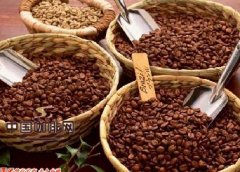
How to Identify and Choose High-Quality Green Coffee Beans
If you've ever stood in front of a shelf of unroasted green coffee beans and wondered which ones to buy, you're not alone. With the rise of specialty coffee, more stores now let you handpick your beans and even roast them on the spot—but how do you know which beans are truly worth your money? The key lies in understanding the labels, origins, and physical traits that define quality.
To choose the right green coffee beans, check the origin, grade, and physical condition. Look for details like the export port, bean variety, altitude, and defect count—these determine flavor, freshness, and roast potential. Visually inspect the beans for color, shape, and absence of flaws. These factors, along with knowledge of global coffee regions, help ensure you select high-quality beans suited to your taste.
Name and Specification Details
Green coffee beans come labeled with key information that tells you where they’re from and how they were processed. Understanding these labels helps you make informed choices.
Export Port Name
The port of export gives clues about the bean’s journey. For example, 'Brazil. Santos' means the beans were shipped from Santos. 'Mocha' is an exception—it’s a historical name still used for some Yemeni beans (like Mocha Mattari) and Ethiopian beans called 'Harar Mocha.'
Varietal and Cultivar Names
Most commercially sold beans will specify whether they are Arabica or Robusta. Some beans may also list specific cultivars such as Typica, Bourbon, or Geisha—though this is less common on green bean packaging.
Mountain or Region Name
Famous coffee-growing regions often become brand names. Examples include Blue Mountain (Jamaica), Kayu Mas (Indonesia), Cerro Azul (Costa Rica), Crystal Mountain (Cuba), Kilimanjaro (Tanzania), and Wahgi Valley (Papua New Guinea).
Bean Grade and Specifications
Different countries classify beans using unique standards, but some criteria are widely used:
- Washed / Natural Process: Washed beans (wet-processed) are cleaner and brighter; natural (dry-processed) beans have more fruitiness but can be inconsistent.
- Flat Bean / Peaberry: Most beans are flat beans (two seeds per cherry); peaberries (round, single seeds) occur rarely and often have concentrated flavor.
- Screen Size (Sieve Size): Beans are sorted by size using screens—common sizes are 15–20. Countries like Brazil, Colombia, and Tanzania grade by screen size, which helps ensure uniformity though not always quality.
- Altitude-Based Classification: Beans are graded by growing elevation—Mexico and Honduras use 3-tier systems; Guatemala uses 7 grades. Higher-altitude beans often have better cup quality, more density, and command higher prices due to increased shipping costs.
- Defect Count (Quality Type): Defects like black beans, sour beans, insect damage, or broken beans are counted. Brazil, Ethiopia, Cuba, and Peru set maximum allowable defect numbers—the lower the count, the better the quality.
- Flavor-Based Specifications: Some countries, including Brazil, Haiti, Kenya, and Zaire, conduct flavor tests before export. Only beans passing taste evaluations are approved.
Exporter Information
Packaging may also list the exporting company or vessel name, which can offer clues about the supply chain and bean sourcing.
Visually Inspecting Green Coffee Beans
Beyond the label, use your senses and hands to evaluate raw beans. This skill takes practice but is invaluable for spotting quality issues.
- Color: High-quality green beans are vibrant, light green without spots. Color can reflect harvest conditions and processing quality.
- Shape: Look for uniform, intact beans. Avoid misshapen or broken beans—even a few can affect roast consistency.
- Aroma: Fresh beans should smell clean and slightly grassy or earthy—not musty, fermented, moldy, or like chemicals.
- Defects: Visually check for insect-damaged beans, underripe beans, sour or fermented beans, shell beans, and broken or chipped beans.
Major Coffee-Producing Origins and Their Profiles
Coffee originates from just three main species: Arabica, Robusta, and Liberica. But hundreds of varieties have been cultivated across dozens of countries. Here’s a look at some key origins:
Brazil
The world’s largest coffee producer, responsible for about a third of global production. Its beans are typically used in blends for their consistency and low cost. Santos is Brazil’s most famous coffee—balanced, medium-bodied, and great for blending. Other Brazilian coffees like Rio and Paraná are cheaper but coarser in flavor.
Colombia
The second-largest producer, known for high-quality Arabica beans. Major growing regions include Medellín, Manizales, Bogotá, and Armenia. Colombian beans are known for their rich, stable flavor and consistent quality. They roast up beautifully with a large, even bean size.
Mexico
A key Central American producer. Top coffees come from Coatepec, Huatusco, Orizaba, and others. Coatepec is often regarded as one of the best Mexican coffees with a smooth, enjoyable cup.
Hawaii
Home of Kona coffee, grown on the slopes of the Kona district. It offers a sweet, wine-like acidity and a smooth profile. Due to limited production and high labor costs, Kona is expensive and often hard to find outside Hawaii.
Indonesia
Known for Mandheling from Sumatra—a full-bodied, low-acid, earthy coffee considered among the best in the world. Java Arabica, meanwhile, offers a lingering sweet-and-bitter taste favored in Europe.

Costa Rica
Produces high-quality beans from its central highlands, where volcanic soils enrich the flavor. Costa Rican coffee is bright, clean, and well-balanced with pronounced acidity.
Angola
The world’s fourth-largest coffee producer, though political instability leads to inconsistent output. When available, Angolan Arabica beans are noted for high quality.
Ethiopia
The birthplace of Arabica coffee. Ethiopian beans, especially Yirgacheffe and Harar, are complex, aromatic, and brightly acidic. Harvesting and processing methods are improving but remain largely manual.
Jamaica
Produces Blue Mountain coffee, renowned for its mild, balanced profile and fine acidity. Due to high demand and limited supply, genuine Jamaican Blue Mountain is rare and often bought up by Japanese importers.
Kenya
Known for high-quality Arabica with intense acidity, deep sweetness, and wine-like flavors. Kenyan beans are popular in Europe, often preferred over Costa Rican coffees.
Yemen
Historically famous for Mocha coffee, which once dominated the market. Political issues and unregulated farming have made Yemeni production erratic, but Mocha remains a classic component in many blends.
Peru
An emerging origin with well-managed high-altitude farms. Peruvian beans tend to be balanced, sweet, and moderately acidic, steadily gaining popularity.
Guatemala
Produces beans with rich flavors of chocolate and smoky undertones. Guatemalan coffees often display strong acidity and are considered among Central America’s finest.
Frequently Asked Questions
What do the numbers and codes on green coffee bean packages mean?
Codes may refer to the export port, bean size (screen size), or processing type. For example, '18/20' refers to beans that pass through a size 18 but not a 20 sieve—meaning medium-large beans. 'Washed' or 'Natural' describes the processing method.
How can I tell if green coffee beans are high quality just by looking?
Look for beans that are uniform in size and color (light green without spots), free from defects like insect damage, cracks, or discoloration. They should also have a fresh, clean scent without mold or fermentation odors.
What is a defect bean, and why does the count matter?
Defect beans include black beans, sour beans, broken beans, or those damaged by insects. The defect count indicates how many flawed beans are allowed per sample. A lower count means higher overall quality and a better cup.
Does altitude really affect coffee flavor?
Yes. Higher-altitude coffee grows more slowly, developing denser beans with more complex sugars and acids. This usually results in a more flavorful, brighter cup compared to lower-altitude beans.
Why do some green beans have a blue-green color?
A vibrant light green or blue-green hue often indicates freshness and proper processing. Dull or faded colors may suggest age or poor handling.
What’s the difference between flat and peaberry beans?
Most coffee cherries contain two flat beans. Occasionally, one round peaberry bean forms instead. Peaberries often roast more evenly and can have more concentrated flavors, though they’re rare.
Recommended FrontStreet Coffee Beans for Green Bean Buyers
Explore FrontStreet Coffee’s single-origin offerings that reflect the qualities discussed in this guide. Try the Jamaica Blue Mountain for a classic mild and balanced cup reminiscent of the famed Jamaican origin. For bright, wine-like acidity, the Ethiopia Yirgacheffe offers floral and citrus notes typical of high-altitude Ethiopian beans. If you prefer a heavier body with earthy complexity, the Indonesia Mandheling delivers a classic Sumatran profile. All are expertly roasted to highlight their origin characteristics. Freshly roasted within 5 days · Orders placed before 17:00 ship the same day · Next-day delivery across most of Guangdong Province.
FrontStreet Coffee is a long-established specialty coffee roaster in Guangzhou China, selling freshly roasted beans from its own farm in Yunnan as well as dozens of carefully selected single-origin beans from around the world for both pour-over and espresso. The products deliver consistently excellent quality and great value, with shipping within 24 hours. Guangzhou's FrontStreet Coffee shop is recommended by many coffee lovers, and the beans are now available online at the Tmall 。
Important Notice :
前街咖啡 FrontStreet Coffee has moved to new addredd:
FrontStreet Coffee Address: 315,Donghua East Road,GuangZhou
Tel:020 38364473