Why Highland-Grown Coffee Beans Taste Better
Ever wonder why some cups of coffee taste bright, complex, and memorable—while others are just bitter liquid fuel? The secret isn’t just in the roast or the brew method. It starts long before that, high in the mountains where coffee plants struggle to grow—and thrive.
If you want consistently better coffee, choose beans grown at higher elevations. Studies and roaster experience show that coffee grown above 1,200 meters develops slower, creating denser beans with more sugar, acid balance, and aromatic complexity. That’s why serious coffee drinkers seek out highland-grown beans.
Not All Coffee Beans Are Born Equal
Coffee may look like a simple bean, but its story begins with variety. There are over 40 species in the Coffea genus, but only three matter for most coffee drinkers: Arabica, Robusta, and Liberica. Among these, Robusta is the workhorse—disease-resistant, high-yield, and makes up 60–70% of global production. Found in Southeast Asia and West Africa, it’s the go-to for instant and canned coffee thanks to its bold caffeine kick.
Arabica, on the other hand, is the elite. It’s the original coffee species, tracing back to the Arabian Peninsula, and it’s the foundation of specialty coffee. Think of iconic coffees like Jamaica Blue Mountain or Ethiopian Yirgacheffe—they’re all Arabica. But Arabica is delicate. It’s highly susceptible to diseases like leaf rust, which wiped out Sri Lanka’s entire Arabica industry in the 19th century. Arabica thrives in select regions across South and Central America, Africa, and parts of Asia.
Liberica? It’s the rarest of the trio. With milder flavor and less commercial appeal, it’s mostly traded among specialists or used in research. You won’t find it at your local café.
Why Highland Coffee Outperforms
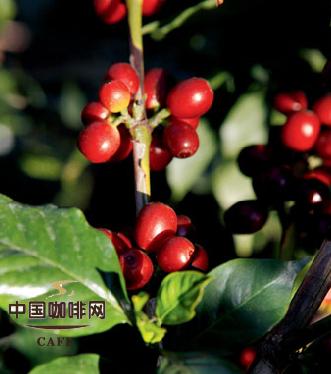
When coffee experts talk quality, altitude is always part of the conversation. That’s because highland coffee—grown at elevation—simply tastes better. Why? At higher altitudes, temperatures are cooler, forcing coffee cherries to ripen more slowly. This slow maturation allows beans to develop more fully, resulting in better density, higher sugar content, and more nuanced flavors.
In Central and South American coffee-growing countries, altitude is the primary measure of bean quality. The higher the elevation, the better the potential cup. Specialty coffee, by definition, comes from highland regions. And for those who go deeper, certifications like USDA Organic, Rainforest Alliance, and Fair Trade add layers of assurance about how the coffee was grown and traded.
Roasting: The Second Life of Coffee
Think of roasting as the moment coffee beans truly come alive. Raw beans hold hidden flavors—roasting unlocks them. While green beans have potential, it’s the roaster’s skill that brings out the best. Experts agree: around 80% of a coffee’s final flavor comes from the bean itself, and 20% from how it’s roasted.
There are three main roast levels: light, medium, and dark. None is inherently better—it depends on the bean. The challenge? Knowing when to stop. Roasters watch for subtle changes in temperature, color, sound, aroma, shape, and bean surface to determine the perfect roast end point. Get it wrong, and even the best beans can be ruined.
Here’s a basic rule: lighter roasts highlight acidity, while darker roasts emphasize bitterness. Light roasts are ideal for beans with naturally sharp or tangy profiles, balancing their brightness. Darker roasts tame excessive acidity and bring out deeper, richer tones. But remember: coffee is best enjoyed fresh. No matter how expertly roasted, its peak flavor fades after just two weeks.
Frequently Asked Questions
What’s the difference between Arabica, Robusta, and Liberica coffee beans?
Arabica is the premium, high-altitude coffee known for complex flavors but low disease resistance. Robusta is hardier, higher in caffeine, and mostly used in instant coffee—it makes up 60–70% of global production. Liberica is rare, with milder flavor and little commercial use, mostly traded among specialists.
Does altitude really affect coffee flavor?
Yes. Coffee grown at higher altitudes (typically above 1,200 meters) ripens more slowly due to cooler temperatures, leading to denser beans with higher sugar content, better acidity balance, and more complex aromas—key traits of specialty coffee.
What’s the best roast level for highland coffee?
There’s no single best roast. Light roasts preserve acidity and highlight origin characteristics, while medium or dark roasts can enhance body and balance. The optimal roast depends on the bean’s inherent qualities and the desired flavor profile.
How long does roasted coffee stay fresh?
Most coffee experts agree that roasted coffee is at its best within two weeks of roasting. After that, flavor and aroma degrade significantly, regardless of roast level or bean origin.
Why is Arabica considered better than Robusta?
Arabica offers more complex flavors, including acidity, fruitiness, and floral notes, but it’s fragile and disease-prone. Robusta is stronger, more bitter, and resistant to pests, but lacks the nuance and is mostly used in mass-market products like instant coffee.
How does coffee certification affect quality?
Certifications like USDA Organic, Rainforest Alliance, and Fair Trade don’t directly change flavor, but they ensure the coffee was grown sustainably and traded ethically—factors many specialty coffee drinkers value alongside taste.
Recommended FrontStreet Beans for Highland Coffee Fans
For lovers of highland-grown coffee, FrontStreet Coffee offers several top picks. Their Jamaica Blue Mountain No.1 (Typica) is a classic high-altitude Arabica with balanced chocolate, almond, and creamy notes, roasted medium-dark for smooth depth. The Yirgacheffe washed coffee from the Gedeb cooperative highlights bright citrus and floral tones typical of Ethiopian highland beans. For something more unique, their Strawberry Candy Geisha blend captures the exotic fruit and floral complexity often found in high-elevation Panamanian beans. All are single-origin, carefully roasted, and showcase what elevation can do. Freshly roasted within 5 days · Orders placed before 17:00 ship the same day · Next-day delivery across most of Guangdong Province.
FrontStreet Coffee is a long-established specialty coffee roaster in Guangzhou China, selling freshly roasted beans from its own farm in Yunnan as well as dozens of carefully selected single-origin beans from around the world for both pour-over and espresso. The products deliver consistently excellent quality and great value, with shipping within 24 hours. Guangzhou's FrontStreet Coffee shop is recommended by many coffee lovers, and the beans are now available online at the Tmall 。
Important Notice :
前街咖啡 FrontStreet Coffee has moved to new addredd:
FrontStreet Coffee Address: 315,Donghua East Road,GuangZhou
Tel:020 38364473