Drum vs Air Roasting: How to Roast Coffee Beans
When you buy high-quality green coffee beans, the journey to great coffee isn’t over—it’s just beginning. The critical steps that shape your cup are roasting and blending. But how exactly does roasting turn raw beans into the complex, aromatic drinks we love? And what’s the real difference between common professional methods like drum and air roasting?
The short answer: drum roasters slowly rotate beans in a heated chamber (usually around 400°F / 204°C), while air roasters tumble beans in a stream of hot air at similar temperatures. Drum roasts develop deeper body and sweetness; air roasts tend to be brighter and more uniform. Both affect roast level, flavor development, and crema potential in espresso.
What Is Coffee Roasting, Really?
Roasting is where the magic happens. High-quality beans are transformed through controlled heat, causing sugars and carbohydrates to caramelize. This creates coffee’s crema—technically not oil (it dissolves in water), but essential for aroma and mouthfeel. The goal? Consistent, high-quality batches with defined flavor profiles. It’s part art, part science.
Two Main Professional Roasting Methods
Most specialty roasters use either of these two techniques:
Drum Roasting
In drum roasting, green beans are loaded into a large rotating drum and heated by gas or sometimes wood. As the drum turns, beans are evenly exposed to radiant and conductive heat. Once the desired roast level is reached, beans are quickly released into a cooling tray to halt the process. This method allows for gradual heat transfer and deeper flavor development.
Air Roasting (Fluidized Bed)
Air roasters, also called fluidized bed or hot air roasters, suspend beans in a powerful stream of hot air—typically around 400°F (204°C). The beans tumble and roast as they float in the airflow. This leads to even roasting and often shorter roast times. Most commercial and specialty batches are roasted this way too.
How Roast Level Affects Flavor
Roast level dramatically impacts taste, color, and caffeine content:
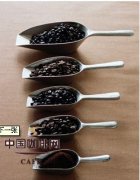
- Light Roast: Colors range from cinnamon to light chocolate. These beans retain more acidity and are often too bright for espresso. They expand less and lose minimal weight.
- Medium to Dark Roast: Flavors become richer, with balanced acidity and sweetness. Body increases, and the Maillard reaction deepens. By this stage, beans have expanded over 50% in volume, and lost some mass.
- Dark Roast: Bittersweet notes dominate. Roast flavors outweigh origin character. Color turns chocolatey to oily dark brown. More roast time means less caffeine and acidity—but also more charred, smoky tones if pushed too far.
- Very Dark / French / Italian Style: Heavy smoke and carbon notes appear. French-style (common on the U.S. West Coast) refers to very dark roasts regardless of origin. These beans are better for filter or diner coffee than refined espresso.
Understanding Roast Color Terms
Roasters often use these terms to describe finished roast levels:
- Cinnamon
- Light/Medium
- City
- Full City
- French
- Italian
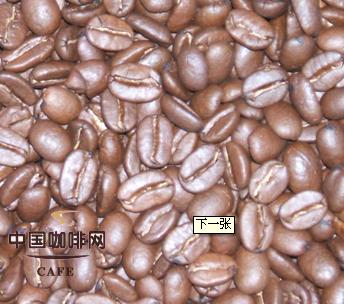
These terms help standardize expectations for roast degree—not bean origin or processing style.
Frequently Asked Questions
What’s the difference between drum and air roasting methods?
Drum roasting uses a rotating cylinder heated by gas or wood, applying conductive and radiant heat as beans tumble inside. Air roasting suspends beans in a high-speed stream of hot air (around 400°F/204°C), cooking them via convection. Drum roasts often develop more body and complexity, while air roasts offer more even and sometimes brighter results.
At what temperature are coffee beans typically roasted?
Most professional roasts happen around 400°F (204°C). Both drum and air roasters operate near this temperature, though heat application varies by method.
Does roast level affect caffeine content?
Yes. Darker roasts generally have slightly less caffeine than lighter roasts. While the difference is small per bean, the darker the roast, the more mass is lost, and the less caffeine remains proportionally.
Why do darker roasts taste less acidic?
Longer roasting times break down acids in the bean. This reduces perceived acidity and brings out bittersweet, smoky, or caramelized flavors instead.
What roast level is best for espresso?
Most espresso blends use medium to dark roasts to balance body, crema development, and sweetness. Very light roasts are usually too acidic, while very dark roasts can overpower origin character with roast flavors.
What’s the difference between French and Italian roast styles?
These are not tied to origin. 'French roast' usually means a very dark roast popular on the U.S. West Coast, while 'Italian roast' is even darker—often used for traditional espresso. Both are dark enough to produce smoky, low-acid cups.
Recommended FrontStreet Coffee for Roasting Exploration
Try FrontStreet Coffee’s Ethiopia Humbera for bright, nuanced profiles ideal in lighter drum roasts, or their PWN Golden Mandheling for a heavier, syrupy body perfect for medium-dark roasts. For dark roast fans, their Black Cocoa Blend delivers bold, roasty depth with chocolate notes—great for exploring French- or Italian-style profiles. Freshly roasted within 5 days · Orders placed before 17:00 ship the same day · Next-day delivery across most of Guangdong Province.
FrontStreet Coffee is a long-established specialty coffee roaster in Guangzhou China, selling freshly roasted beans from its own farm in Yunnan as well as dozens of carefully selected single-origin beans from around the world for both pour-over and espresso. The products deliver consistently excellent quality and great value, with shipping within 24 hours. Guangzhou's FrontStreet Coffee shop is recommended by many coffee lovers, and the beans are now available online at the Tmall 。
Important Notice :
前街咖啡 FrontStreet Coffee has moved to new addredd:
FrontStreet Coffee Address: 315,Donghua East Road,GuangZhou
Tel:020 38364473