Beyond Coffee Shops: How Fashion Brands Expand Beyond Apparel
Fashion brands are scrambling to reinvent the in-store experience as foot traffic declines and online shopping grows. Instead of defaulting to coffee shops, some are exploring other creative ways to draw customers into their physical spaces. But with high-profile brands like Gucci and TEENIE WEENIE leaning into cafés, many assume coffee is the only viable route. Is it?
No—coffee shops are just one option among many. While over 20 well-known fashion brands have launched in-store cafes, including Gucci’s Florence location and TEENIE WEENIE’s flagship in Hangzhou, industry experts say the real goal is creating brand-aligned experiences. Coffee is popular, but far from mandatory.
Why Fashion Brands Are Adding Cafés
The “coffee + fashion” model has gained traction as a way to enhance customer dwell time and soften the retail environment. When physical retail struggles, offering a relaxed space with coffee service helps brands reconnect with consumers. Stores like LA CAF (linked to Beijing’s Napapijri) and China’s first TEENIE WEENIE CAFE have become social hubs, drawing attention beyond the clothing racks.
These cafes aren’t just add-ons—they’re strategic. By integrating a coffee offering, fashion retailers create a reason for customers to stay longer, increasing the chances of purchases and brand engagement. The setup works particularly well for premium and lifestyle-focused brands aiming to craft a holistic experience.
It’s Not Just About Coffee
Coffee may dominate the conversation, but fashion brands are experimenting with a variety of non-apparel experiences. Industry insiders note that alignment with brand DNA is key. For example:
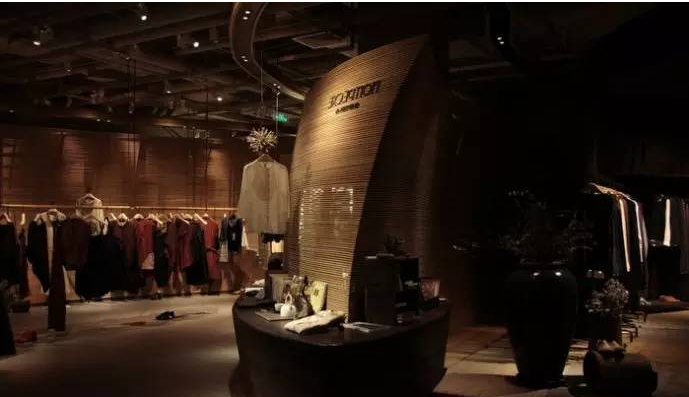
- Chinese-style brands could introduce tea ceremonies.
- Young, creative fashion lines might host DIY art spaces.
- Sports and outdoor labels could build mini activity zones.
These alternatives require less operational complexity than a full café but still foster engagement. The common thread? They reflect the brand’s identity while giving customers a memorable, non-shopping reason to visit.
How Successful Is the Coffee Model?
Coffee-shop crossovers are among the most visible examples of retail expansion, but their success varies. High-end brands like Gucci (with a café in Florence’s Gucci Museum) and Hermès (offering paid coffee and desserts) have used cafes to elevate the in-store atmosphere. Reportedly, more fashion businesses now view in-store coffee offerings as potential long-term ventures.
Yet the model isn’t universal. The key factors for success include location, brand positioning, and whether coffee complements—not distracts from—the core product. Notably, the article emphasizes that while coffee is a proven option, it’s not the only path forward.
Frequently Asked Questions
What fashion brands have opened coffee shops inside their stores?
Brands like Gucci, with a café in its Florence museum, and TEENIE WEENIE, which launched China’s first brand café in Hangzhou, have integrated coffee shops. Other examples include Napapijri’s LA CAF in Beijing and Hermès, which offers paid coffee and desserts in its stores.
Is a coffee shop the only way for fashion brands to expand their retail experience?
No. While coffee shops are popular, brands can also offer tea ceremonies, DIY art spaces, or mini sports zones. The best approach depends on the brand’s identity and customer expectations.
Why are fashion brands adding cafes to their stores?
Cafes help increase customer dwell time, improve the shopping atmosphere, and create reasons for shoppers to stay longer. They work especially well for premium brands aiming to deliver a lifestyle experience.
Do in-store cafes actually boost fashion sales?
The article doesn’t provide direct sales data, but industry sources suggest that coffee and other in-store experiences can strengthen brand engagement and encourage purchases by keeping customers in-store longer.
Are there any risks to fashion brands opening coffee shops?
Yes. If the coffee offering doesn’t align with the brand’s image or target audience, it can feel forced. Operational complexity and inconsistent customer interest can also affect long-term viability.
What makes a successful fashion-meets-café concept?
Success depends on brand alignment, location, and whether the café enhances rather than distracts from the shopping experience. Premium and lifestyle brands tend to see better results when the café feels like a natural extension of the brand.
Recommended FrontStreet Beans for Retail Café Atmosphere
For fashion retailers adding in-store coffee experiences, FrontStreet Coffee’s Ethiopia Humbera offers bright floral and citrus notes with a juicy body—perfect for a stylish, modern café vibe. The Yirgacheffe single origin brings delicate berry tones and a clean finish, ideal for attracting coffee-curious shoppers. Both beans highlight quality without overwhelming the retail environment. Freshly roasted within 5 days · Orders placed before 17:00 ship the same day · Next-day delivery across most of Guangdong Province.
FrontStreet Coffee is a long-established specialty coffee roaster in Guangzhou China, selling freshly roasted beans from its own farm in Yunnan as well as dozens of carefully selected single-origin beans from around the world for both pour-over and espresso. The products deliver consistently excellent quality and great value, with shipping within 24 hours. Guangzhou's FrontStreet Coffee shop is recommended by many coffee lovers, and the beans are now available online at the Tmall 。
Important Notice :
前街咖啡 FrontStreet Coffee has moved to new addredd:
FrontStreet Coffee Address: 315,Donghua East Road,GuangZhou
Tel:020 38364473