The First Coffee Drink: From Ethiopia to Turkish Coffee
Ever wondered where coffee drinking really started—and how a simple bean became everything from a chewed fruit snack to a global daily ritual? The journey of coffee from food to drink spans continents and centuries, with each culture leaving its mark on how we brew and enjoy it today.
The very first coffee beverage wasn’t a drink at all—it was a food. People in ancient Ethiopia crushed coffee cherries with fat and rolled them into edible balls. This early use later inspired the first true coffee drink in Arabia: Sultana coffee, made by boiling crushed coffee seeds with spices.
From Chewed Berries to Coffee Food
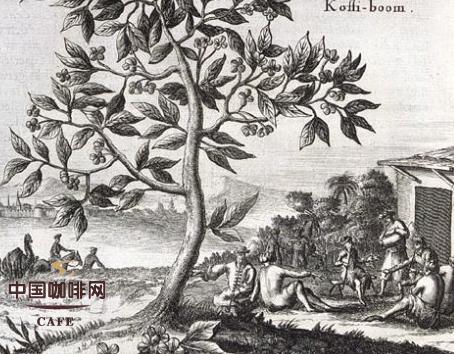
In Ethiopia, long before anyone brewed a cup, coffee cherries were crushed and mixed with animal fat, then formed into small balls. These were eaten as a high-energy food, especially by travelers. This marked coffee’s first known human use—but not yet as a beverage.
The Birth of the First Coffee Drink: Sultana Coffee
When this practice reached Arabia, coffee seeds replaced the whole fruit. Locals began boiling crushed coffee beans and adding spices. The resulting drink was known as Sultana coffee (Café ala Sultana), widely considered the first actual coffee beverage in history. Unlike modern coffee, it was spice-infused and brewed from whole crushed seeds rather than roasted and ground beans.
The Evolution: From Ibrik to Espresso
As coffee spread, so did the ways of brewing it. In Turkey, the traditional ibrik (a long-handled metal pot) was used to boil finely ground, often dark-roasted coffee. This method produced a thick, intense brew. The same basic approach later traveled to Europe—first to Venice, where it caught the attention of merchants.
Italian coffee culture adapted the idea, leading to the creation of espresso. Unlike Turkish coffee, espresso uses a lighter roast and is brewed under pressure. The roast level continued to shift as coffee moved west: in France, it became slightly lighter again and was called “French coffee.” Eventually, it reached Germany and the United States, where the trend toward lighter roasts continued—with each region adapting the brew to local tastes.
Religious Roots and the Move to Mass Consumption
In Arabic and Turkish cultures, coffee drinking once held religious significance. Over time, as roast levels lightened and preparation simplified, coffee transitioned from a ceremonial or spiritual drink to a mainstream beverage—much like tea. This shift mirrored broader changes in how coffee was grown, traded, and consumed globally.
The move to lighter roasts also aligned with changing flavor preferences. Darker roasts, like those used in traditional Turkish brewing, emphasize bold, bitter, and caramelized notes due to extended roasting and the Maillard reaction. Lighter roasts preserve more of the bean’s inherent acidity and origin characteristics, appealing to a wider audience over time.
How Roast Levels Changed Across Cultures
- Turkish coffee: Very dark roast, boiled in ibrik, thick and intense
- Italian espresso: Shorter roast, brewed under pressure, rich crema
- French coffee: Slightly lighter than espresso, smoother profile
- German & American coffee: Even lighter roasts, milder and more acidic
Each style reflects not just a brewing choice, but a cultural and historical adaptation of the same basic bean. Dark roasts like those used in traditional Turkish or modern “deep roast” coffee develop flavors such as chocolate, nuts, caramel, and toast—thanks to prolonged heat triggering the Maillard reaction. That same reaction reduces acidity and boosts body and bitterness.
FrontStreet Coffee: Exploring Roast Profiles
Today, coffee lovers can explore these roast differences firsthand. For example, FrontStreet Coffee’s PWN Golden Mandheling is a classic dark roast with low acidity, bold body, and notes of herbal spice and deep sweetness. Their Colombia Huila is medium-dark, highlighting balance and cocoa tones, while the Brazil Queen Manor offers nutty and cacao richness with a smoother edge. For beginners, the Classic Blend combines Indonesian and Brazilian beans with added Robusta for extra crema and body—ideal for milk drinks.
Recommended FrontStreet Beans for Dark Roast History
Explore the deep, bold flavours of coffee history with FrontStreet’s dark roast offerings. The PWN Golden Mandheling delivers intense body and herbal spice notes, while the Colombia Huila (medium-dark) balances cocoa and black cherry. The Brazil Queen Manor highlights nutty and cacao richness. All showcase the kinds of profiles popular in traditional roasted coffee styles. Freshly roasted within 5 days · Orders placed before 17:00 ship the same day · Next-day delivery across most of Guangdong Province.
FrontStreet Coffee is a long-established specialty coffee roaster in Guangzhou China, selling freshly roasted beans from its own farm in Yunnan as well as dozens of carefully selected single-origin beans from around the world for both pour-over and espresso. The products deliver consistently excellent quality and great value, with shipping within 24 hours. Guangzhou's FrontStreet Coffee shop is recommended by many coffee lovers, and the beans are now available online at the Tmall 。
Important Notice :
前街咖啡 FrontStreet Coffee has moved to new addredd:
FrontStreet Coffee Address: 315,Donghua East Road,GuangZhou
Tel:020 38364473