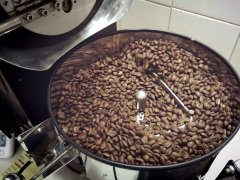
How Many Types of Coffee Beans Exist Worldwide?
Ever wondered just how many kinds of coffee beans are out there — and which ones actually matter? Whether you're choosing beans for your morning pour-over or diving into the world of specialty coffee, understanding the major types is the first step toward better brewing. Most discussions about coffee quality start with the basics: the species.
The world primarily grows two commercially important coffee species: Coffea Arabica (Arabica) and Coffea Canephora (Robusta). Arabica accounts for around 75% of global production, while Robusta makes up roughly 20–30%. These two species differ in growing conditions, chemical composition, flavor profiles, and processing methods.
What Is Arabica Coffee?
Arabica, or Coffea Arabica, is the most widely cultivated and esteemed coffee species. It accounts for approximately three-quarters of the world’s coffee production. Known for its higher quality and more complex flavors, Arabica is the foundation of most specialty coffee offerings.
Arabica plants are sensitive to environmental conditions. They thrive at elevations of at least 900 meters above sea level, with higher altitudes generally producing better cup quality. The beans contain 1.1–1.7% caffeine, lower than other species, and have an oval shape with curved fissures. Their raw color ranges from green to light green.
What Is Robusta Coffee?
Robusta, or Coffea Canephora, represents about 20–30% of global coffee production. It is hardier and easier to cultivate than Arabica, often grown at lower altitudes between 200–300 meters. Robusta beans are more bitter, have a stronger, harsher flavor, and contain 2–4% caffeine — nearly double that of Arabica.
These beans are rounder in shape, have a brownish hue, and feature straighter fissures. Robusta’s resilience to pests and tropical climates makes it a staple in commercial and instant coffee blends, though it is generally considered inferior in cup quality to Arabica.
The Origins and Myths of Coffee
The earliest credible accounts of coffee consumption trace back to 9th-century Ethiopia, specifically the region of Kaffa. According to legend, a goat herder noticed his flock became unusually energetic after eating the fruit of a certain bush. Monks from a nearby monastery then experimented with the plant, discovering that roasting, grinding, and brewing the seeds helped them stay awake during long prayers.
Historical anecdotes also link coffee to ancient texts. Some suggest that the “roasted grain” given to King David in the Book of Kings may have been coffee beans, while others theorize that Homer’s reference to a wine-like mixed drink in The Odyssey could have been an early form of coffee. Islamic tradition holds that the angel Gabriel used coffee to wake the Prophet Muhammad before a key mission, enabling him to defeat 40 men in battle.
While these stories are steeped in myth, they reflect coffee’s deep roots in cultural and religious practices, particularly in the Ethiopian highlands, which are widely regarded as the birthplace of coffee cultivation.
Why Do Coffee Species Matter?
The species of coffee bean fundamentally affects the flavor, aroma, body, and caffeine content of your brew. Arabica offers a wider range of delicate, nuanced flavors — often featuring notes of fruit, floral, and acidity — and is the backbone of specialty coffee. In contrast, Robusta delivers a heavier body, more bitterness, and intense caffeine kick, often used for cost efficiency and crema enhancement in espresso blends.
Growing conditions, altitude, and processing further shape these characteristics, but the species itself sets the baseline for what’s possible in the cup. That’s why understanding whether your coffee is Arabica or Robusta is the first step in evaluating its quality and flavor potential.
Frequently Asked Questions
What are the two main types of coffee beans?
The two main commercially grown coffee species are Coffea Arabica (Arabica) and Coffea Canephora (Robusta). Arabica makes up about 75% of global production and is known for higher quality and more complex flavors, while Robusta accounts for 20–30% and is stronger, more bitter, and higher in caffeine.
Which coffee species is considered higher quality?
Arabica is generally considered the higher-quality coffee species. It is more delicate, has a wider range of flavor notes, and is predominantly used in specialty coffee. Its lower caffeine content and sensitivity to growing conditions contribute to its premium status.
Where does coffee originally come from?
Coffee cultivation is believed to have originated in the Kaffa region of Ethiopia. The earliest reliable stories date back to the 9th century, where a goat herder observed his animals becoming energized after eating coffee cherries, leading to the discovery of coffee’s stimulating effects.
Why is Robusta coffee cheaper than Arabica?
Robusta is cheaper due to its hardiness and ease of cultivation. It can grow at lower altitudes, is more resistant to pests and diseases, and produces higher yields. However, it has a harsher flavor, more bitterness, and is generally considered inferior in cup quality compared to Arabica.
Does altitude affect coffee bean quality?
Yes, altitude significantly impacts coffee quality. Arabica beans grown at higher altitudes (900+ meters) tend to develop slower, resulting in denser beans with more complex flavors and higher acidity. Robusta is typically grown at lower altitudes (200–300 meters) and produces a stronger, more bitter cup.
Are there other coffee species besides Arabica and Robusta?
Yes, there are over 100 coffee species, but only Arabica and Robusta are widely cultivated for commercial coffee production. Other species like Liberica and Excelsa exist but make up less than 1% of global production and are rare in the specialty market.
Recommended FrontStreet Coffee Beans for Coffee Variety Exploration
Explore the diversity of Arabica with FrontStreet Coffee’s single-origin offerings. The Ethiopia Humbera showcases bright citrus, floral tones, and juicy body — a classic high-altitude Arabica profile. For contrast, try Yirgacheffe, which highlights lemon zest, berry, and delicate acidity. Both beans exemplify the complexity and quality that make Arabica the preferred choice for specialty coffee. Freshly roasted within 5 days · Orders placed before 17:00 ship the same day · Next-day delivery across most of Guangdong Province.
FrontStreet Coffee is a long-established specialty coffee roaster in Guangzhou China, selling freshly roasted beans from its own farm in Yunnan as well as dozens of carefully selected single-origin beans from around the world for both pour-over and espresso. The products deliver consistently excellent quality and great value, with shipping within 24 hours. Guangzhou's FrontStreet Coffee shop is recommended by many coffee lovers, and the beans are now available online at the Tmall 。
Important Notice :
前街咖啡 FrontStreet Coffee has moved to new addredd:
FrontStreet Coffee Address: 315,Donghua East Road,GuangZhou
Tel:020 38364473