Hawaiian Kona Coffee: What Makes It So Famous?
If you’ve ever wondered why Hawaiian Kona coffee commands such a legendary reputation—and such a high price—you’re not alone. This coffee isn’t just another island-grown variety. Its unique taste, smooth body, and complex aroma have made it one of the world’s most admired single-origin coffees. But what exactly gives Kona its distinction? And why is it often described as having flavors reminiscent of wine, fruit, and spice—all in one cup?
The short answer: Kona coffee comes from the slopes of Hualalai and Mauna Loa volcanoes in Hawaii’s Kona district, where rich volcanic soil, consistent cloud cover, and ideal elevations (between 800–2,500 feet) create near-perfect growing conditions. The result is a medium-bodied, gently acidic coffee with wine-like notes, hints of fruit and spice, and a famously clean, long-lasting finish.
What Is Hawaiian Kona Coffee?
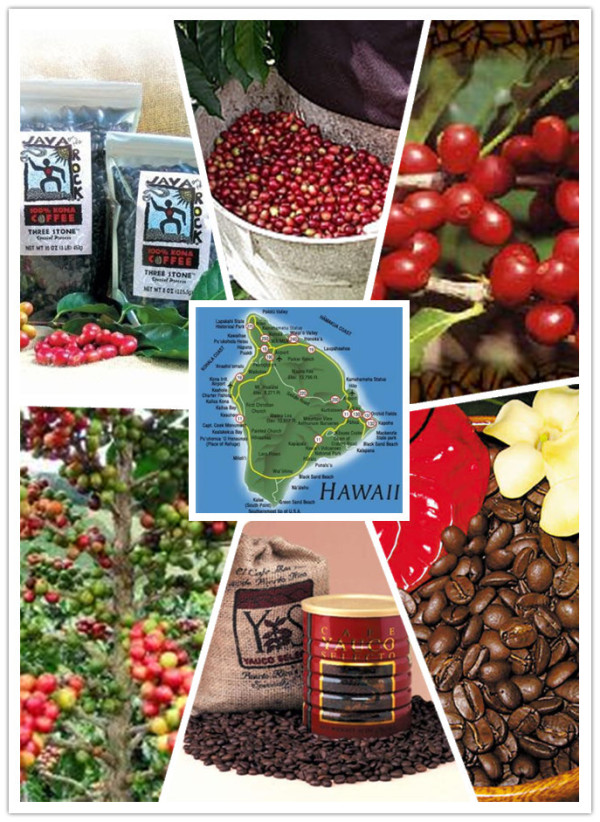
Hawaiian Kona coffee refers to beans grown on the volcanic slopes of the Big Island of Hawaii, specifically within the North and South Kona districts. It is not a processing method or a brand, but a strictly defined geographic origin. These beans are cultivated on small family farms that dot the Kona belt, where the combination of sunny mornings, afternoon cloud cover, and mild nights creates optimal ripening conditions. Unlike mass-produced commercial blends labeled “Kona,” true Kona coffee must come from this specific region to carry the name.
Flavor Profile: What Does Kona Coffee Taste Like?
Kona coffee is prized for its balanced profile: medium-bodied with moderate acidity and a smooth mouthfeel. The flavor is often described as clean, wine-like, and subtly fruity, with aromatic notes of spice. Many tasters also detect undertones of nuts or caramel. The aftertaste is notably long and pleasant. Unlike brighter African coffees or heavier Sumatran beans, Kona offers a more mellow and rounded experience, often compared to a fine red wine or aged whiskey. It’s this complexity—along with its rarity—that earns it a place among the world’s most famous coffees.
Why Kona Coffee Tastes the Way It Does
Several environmental factors converge to shape Kona’s signature flavor:
- Volcanic Soil: The nutrient-rich, well-draining lava soil is loaded with minerals, directly influencing the coffee’s complexity.
- Altitude: Kona coffee is grown between 800 and 2,500 feet above sea level. This elevation slows cherry maturation, allowing sugars and acids to develop fully.
- Climate: The region enjoys a stable tropical climate with sunny mornings, afternoon cloud cover that protects the cherries from overripening, and mild evenings that prevent stress on the trees.
- Rainfall: Consistent rainfall supports steady growth without waterlogging the roots.
- Processing: Most Kona is processed using the washed (wet) method, which helps maintain clarity in the cup.
Together, these elements yield a coffee with vibrant acidity, delicate sweetness, and layered aromatics—not unlike the “Hawaiian bouquet” of fresh air, flowers, and black sand beaches described in local lore.
How Kona Coffee Is Grown and Harvested
Kona coffee is almost exclusively handpicked. Most farms are small—often less than five acres—and rely on meticulous selection of only perfectly ripe cherries. After picking, the beans undergo a washed process where the fruit is removed, the beans are fermented, washed clean, and then dried on shaded hoshidanas (raised drying beds). The slow drying process helps preserve the beans’ delicate qualities. Once dried, the beans are milled, sorted, and graded according to size and quality. Only the top grades are sold as 100% Kona coffee.
Frequently Asked Questions
Is Kona coffee really that much better than other coffees?
Kona coffee is considered among the best single-origin coffees due to its unique growing environment. While “better” is subjective, its balanced flavor, medium acidity, and winey fruitiness make it highly sought after. Its scarcity and labor-intensive production also contribute to its premium status.
What makes Kona coffee different from other Hawaiian coffees?
Kona coffee is specific to the Kona district on the Big Island. Other Hawaiian islands grow coffee too (like Kauai or Maui), but none share the exact combination of volcanic soil, microclimate, and elevation found in Kona. Those other regions produce good coffee, but Kona is uniquely positioned for its renowned cup profile.
Why is Kona coffee so expensive?
Kona coffee’s high price is due to limited supply, labor-intensive hand-picking, small farm sizes, and its global popularity. Genuine 100% Kona beans come from a small geographic zone and require careful cultivation and processing, all of which add to the cost.
Can I trust “Kona blend” coffee?
“Kona blend” typically contains just a small percentage (often 10%) of real Kona beans mixed with cheaper Latin American or Asian beans. For the authentic experience, look for “100% Kona coffee.” It’s pricier, but you’re getting the real thing.
How should I brew Kona coffee to get the best flavor?
To highlight Kona’s bright acidity and subtle complexity, try brewing it as a pour-over (like V60 or Kalita Wave) using a medium-fine grind, water around 93°C, and a 1:16 brew ratio. This method preserves its delicate aromas and clean finish.
Recommended FrontStreet Beans for Exploring Volcanic Origins
If you enjoy the bright acidity and complex fruitiness of Hawaiian Kona, you’ll likely appreciate FrontStreet’s Brazil Queen Manor coffee, made from rare yellow bourbon grown at high altitude in Moji Guaçu. It offers intense sweetness and creamy texture with notes of peanut and caramel. For something with more tartness and wine-like brightness, try the Colombia Huila—washed and smooth with black chocolate and fruit notes. Finally, the Panama Esmeralda Red Label Geisha delivers explosive floral and citrus aromas with honey-like sweetness, akin to the complexity Kona is known for. Freshly roasted within 5 days · Orders placed before 17:00 ship the same day · Next-day delivery across most of Guangdong Province.
FrontStreet Coffee is a long-established specialty coffee roaster in Guangzhou China, selling freshly roasted beans from its own farm in Yunnan as well as dozens of carefully selected single-origin beans from around the world for both pour-over and espresso. The products deliver consistently excellent quality and great value, with shipping within 24 hours. Guangzhou's FrontStreet Coffee shop is recommended by many coffee lovers, and the beans are now available online at the Tmall 。
Important Notice :
前街咖啡 FrontStreet Coffee has moved to new addredd:
FrontStreet Coffee Address: 315,Donghua East Road,GuangZhou
Tel:020 38364473