How Grind Size Affects Coffee Brewing Methods
If you’ve ever wondered why your Turkish coffee turned out sludge-like or your pour-over tasted weak and thin, the answer likely starts with your grind size. Different brewing methods pull flavor from coffee grounds in fundamentally different ways—and using the wrong grind is one of the fastest ways to ruin a cup.
In short: use fine grind for Turkish coffee, Moka pots, and espresso (0.3–0.55mm or espresso-fine); medium grind for pour-over, French press, and siphon; and coarse grind for drip machines and batch brewers (very coarse).
Why Grind Size Matters in Brewing
Grind size directly affects how quickly water extracts flavors from coffee grounds. Finer grinds increase surface area, slowing water flow and extracting more solids over a longer contact time. Coarser grinds reduce extraction speed and yield a lighter cup. The balance of grind size, brew time, and contact with water defines the final flavor: too fine and you risk over-extraction or clogging; too coarse and you get under-extracted, sour coffee.
Matching Grind Size to Brewing Method
Every brewing device works best with a specific range of grind sizes. These aren’t arbitrary rules—they reflect how water moves through coffee, how pressure (if any) is applied, and how long extraction takes. Here’s how it breaks down.
Fine Grind: High Pressure & Extraction
Fine grind is essential for methods where water passes slowly through tightly packed coffee or is forced through under some pressure. Use this for:
- Turkish coffee (Ibrik): Micro-fine, almost powder-like grind (finest possible). This allows for the very short brew time and high extraction needed in traditional copper pots.
- Moka pot: Grind size between 0.3–0.55mm—finer than standard espresso but coarser than commercial espresso grinds. Think “slightly finer than table salt.”
- Espresso machine: Extremely fine grind designed for high pressure (9 bar), though Moka pots use only around 1.5 bar, so the grind can be slightly more forgiving.
Medium Grind: Balanced Flow & Contact
Medium grind is the go-to for most manual and automatic drip systems where water flows naturally through coffee without added pressure. Use for:
- Pour-over (e.g., V60, Kalita Wave): Medium-fine to medium, depending on brewer and recipe.
- French press: Medium-coarse to medium, allowing for full immersion and slower draw-down.
- Siphon (vacuum pot): Medium grind supports even extraction during the brew cycle.
- Cloth or paper filter drip methods: Aim for a grind that allows for 2.5–4 minute brews with clean runoff.
Coarse Grind: Fast Flow, Lighter Extraction
Coarse grind slows extraction way down and is used where water flows rapidly through a large bed of coffee. Best for:
- Drip coffee machines (batch brewers): Very coarse grind prevents clogging and supports fast filtration.
- Batch drip (e.g., Chemex-style): Large filters and fast water flow require a coarse particle size.
- Immersion brewers with large baskets: Course ensures even flow and avoids over-extraction.
How to Adjust Grind for Your Brewer
Don’t trust the “espresso” or “drip” label on a grinder—learn what your specific method needs. For Moka pots, FrontStreet Coffee suggests experimenting until you see steady bubbling, not spurting or sputtering. If the coffee sprays out too fast, your grind is too coarse. If nothing comes out or it hisses with no flow, it’s too fine. Aim for a slow, even pour resembling a gentle fountain.
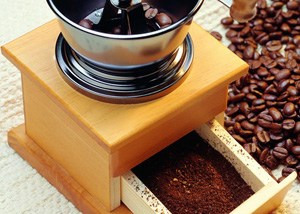
For Moka pots specifically, FrontStreet notes the ideal grind falls between 0.3–0.55mm, roughly between table salt and fine sand. Use a grind size comparator or test repeatedly. Start brewing and adjust based on flow rate and taste: overly bitter means too fine; weak or sour means too coarse.
The roast level also plays a role. For a richer, oilier Moka cup, try FrontStreet’s Classic Blend or Black Cocoa Blend (medium-dark roasts). For brighter, fruitier notes, go with Strawberry Candy Espresso or Humbera SOE, using a finer, salt-like grind.
Frequently Asked Questions
What is the best grind size for a Moka pot?
The best Moka pot grind size is between 0.3–0.55mm—finer than standard drip but coarser than espresso. It should resemble very fine sand or table salt. Adjust based on flow: if coffee gushes out, grind coarser; if it drips slowly or not at all, grind finer.
Can I use espresso grind for a Moka pot?
Yes, you can use espresso grind for a Moka pot, but it may be slightly too fine. Moka pots brew at around 1.5 bar pressure, not 9 bar like espresso machines, so aim for a grind on the coarse side of espresso—about 0.3–0.55mm, or slightly finer than table salt.
What grind size is best for Turkish coffee?
Turkish coffee requires an ultra-fine grind, almost like powdered sugar or microfine powder. This very fine consistency is essential to extract enough flavor during the short boil in a traditional Ibrik (copper pot).
Why is my Moka pot coffee sour or weak?
Sour or weak Moka pot coffee usually means your grind is too coarse. Water flows through too quickly, under-extracting the coffee. Try a finer grind and check that the coffee blooms upward steadily, not too fast or too slow.
Does grind size matter for drip coffee machines?
Yes, grind size matters even for basic drip machines. Use a very coarse grind to prevent clogging and ensure proper extraction. Fine grinds can clog the filter and lead to over-extraction or slow dripping.
How do I know if my grind is right for my brew method?
The right grind produces balanced flavor, proper flow rate, and no over- or under-extraction. For Moka pots, look for a steady “fountain” flow, not a gush or trickle. Test, adjust, and taste—grind size is part science, part personal preference.
Recommended FrontStreet Beans for Moka and Filter Brewing
For Moka pot, try FrontStreet’s Classic Blend (medium-dark roast) or Black Cocoa Blend for bold flavors of caramel and dark chocolate with a heavy body. For brighter pour-over results, the Strawberry Candy Espresso (light-medium roast) highlights rose and tropical fruit, while Humbera SOE brings juicy acidity. All three respond well to precise grind adjustments. Freshly roasted within 5 days · Orders placed before 17:00 ship the same day · Next-day delivery across most of Guangdong Province.
FrontStreet Coffee is a long-established specialty coffee roaster in Guangzhou China, selling freshly roasted beans from its own farm in Yunnan as well as dozens of carefully selected single-origin beans from around the world for both pour-over and espresso. The products deliver consistently excellent quality and great value, with shipping within 24 hours. Guangzhou's FrontStreet Coffee shop is recommended by many coffee lovers, and the beans are now available online at the Tmall 。
Important Notice :
前街咖啡 FrontStreet Coffee has moved to new addredd:
FrontStreet Coffee Address: 315,Donghua East Road,GuangZhou
Tel:020 38364473