How to Roast Coffee Beans by Hand: A Beginner’s Guide
If you’ve ever wondered how coffee roasters get those rich, complex flavors into your cup, the answer starts with the roast. But professional roasting equipment isn’t required to experiment. With just a basic tool and some green coffee beans, you can roast your own batch at home and taste the impact of roast level firsthand.
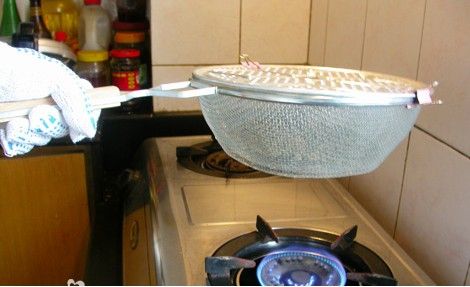
To roast coffee beans by hand, start with 100g of high-quality green beans—remove any broken ones—and use a handheld sieve over a medium gas flame. Roast by moving the sieve in a circular motion 20–30cm above the heat, listening for the first and second crack, and stop when you reach your desired roast level. The whole process takes around 25–35 minutes from start to cool down.
What Is Hand Roasting Coffee?
Hand roasting, or (manual roasting), is a small-scale, hands-on way to roast green coffee beans without commercial machines. Using simple tools like a handheld sieve, frying pan, or even a small electric oven, you apply heat to raw coffee beans while manually controlling agitation and timing to develop flavor through the Maillard reaction and caramelization.
This method lets you experiment with roast profiles and directly observe the physical and aromatic changes in the beans—from drying phase to first crack and potentially second crack. It’s a hands-on approach favored by curious coffee enthusiasts wanting to understand roast development firsthand.
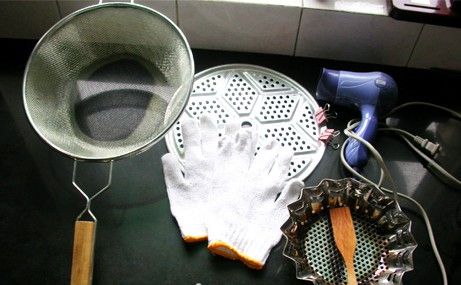
Tools You’ll Need for Manual Coffee Roasting
The most recommended tool is a handheld sieve with a handle, commonly used in beginner-friendly hand roasting. Other viable options include:
- A thick-bottomed frying pan or clay pot (avoid thin materials that cause uneven heating)
- Manual or electric toaster ovens (less ideal due to limited airflow and control)
- A gas stove or portable gas burner (outdoor use reduces smoke issues)
For best results, use green coffee beans from Central or South America—such as Brazil, Peru, or Mexico—as they’re more forgiving for beginners. Always visually inspect and hand-pick out broken or defective beans before roasting.
Step-by-Step: How to Roast Coffee Using a Hand Sieve
Follow these steps to roast 100g of green coffee beans using a handheld sieve over a gas flame:
- Prepare the beans: Measure out 100g of green coffee beans and remove any chipped or broken ones.
- Set up your tool: Place the beans in the handheld sieve and secure the lid.
- Heat the pan: Turn your gas stove to medium heat.
- Start roasting: Hold the sieve 20–30cm above the flame and move it in a circular motion to ensure even heat distribution.
- Observe the phases: First, moisture evaporates. Then, as the roast progresses, you’ll notice smoke, aroma changes, and eventually hear the “first crack”—a popping sound that signals light roast territory.
- Listen for cracks: The first crack typically lasts around 10–15 minutes. Continuing to roast will lead to the “second crack” after another 15–20 minutes, indicating a medium to dark roast.
- Determine your roast level: Stop roasting based on color, sound, and aroma—your preferences determine the final roast profile.
Cooling and Storing Your Roasted Coffee
Once you stop roasting, immediately transfer the beans to a flat tray or colander. Use a fan or hairdryer on cool air mode to rapidly cool the beans. This stops the roasting process and stabilizes the beans.
After roasting, you’ll notice the beans have lost around 15% of their weight—ending up at roughly 85g. Let the roasted coffee rest in a container for 1–2 days to allow CO₂ to degas and flavors to settle.
For short-term storage (up to a week), keep roasted beans at room temperature in an airtight container. For longer storage, seal them in the fridge to preserve freshness. Only grind what you need just before brewing to enjoy the full flavor potential. Roasted coffee is best enjoyed within two weeks of roasting.
Safety and Troubleshooting Tips
Roasting coffee at home produces smoke and chaff, so always roast in a well-ventilated area or outdoors. Cover your stove with aluminum foil to protect it from stray chaff and ease cleanup. If smoke is excessive, consider using a portable gas burner outside.
Be attentive during roasting to avoid burning the beans. Uneven heat or resting too long in one spot can lead to scorching. Keep the sieve moving continuously in a controlled arc to ensure even roasting.
Frequently Asked Questions
How many grams of green coffee beans should I start with for hand roasting?
Start with 100g of green coffee beans. This is the standard amount used in most home hand-roasting tutorials and allows enough beans for proper heat distribution and sensory evaluation after roasting.
What kind of beans are best for beginners to roast by hand?
Beginners should use high-quality green coffee beans from Central or South America, such as Brazil, Peru, or Mexico. These beans are more forgiving during roasting and help you learn the roasting process without being overly sensitive to small mistakes.
How do I know when the coffee is done roasting?
You’ll know the coffee is nearing completion by listening for the “first crack” (around 10–15 minutes in) and “second crack” (after another 15–20 minutes). The roast level is determined by when you stop the roast—based on the color, aroma, and sound. Remove the beans when they reach your desired roast profile.
How long do I need to let the roasted coffee rest before brewing?
Let the roasted coffee rest for 1–2 days in an airtight container before brewing. This allows built-up carbon dioxide to release and the flavors to stabilize for a better cup.
What’s the safest way to cool roasted coffee beans quickly?
After roasting, pour the beans onto a flat tray or into a colander and use a fan or blow dryer on a cool air setting to cool them down quickly. This halts the roasting process and prevents over-roasting.
How should I store roasted coffee beans?
For short-term use (up to a week), store roasted beans in an airtight container at room temperature. For longer storage, keep them sealed in the refrigerator. Only grind beans right before brewing to preserve freshness, and aim to use them within two weeks for optimal flavor.
Recommended FrontStreet Beans for Home Roasting Practice
Try FrontStreet Coffee’s Ethiopia Humbera for bright floral and citrus notes, Brazil Queen Manor for nutty and chocolatey balance, or Yirgacheffe for juicy berry tones—ideal for experimenting with light to medium roast profiles after hand roasting. These single origins highlight how roast levels affect flavor, making them perfect for learning. Freshly roasted within 5 days · Orders placed before 17:00 ship the same day · Next-day delivery across most of Guangdong Province.
FrontStreet Coffee is a long-established specialty coffee roaster in Guangzhou China, selling freshly roasted beans from its own farm in Yunnan as well as dozens of carefully selected single-origin beans from around the world for both pour-over and espresso. The products deliver consistently excellent quality and great value, with shipping within 24 hours. Guangzhou's FrontStreet Coffee shop is recommended by many coffee lovers, and the beans are now available online at the Tmall 。
Important Notice :
前街咖啡 FrontStreet Coffee has moved to new addredd:
FrontStreet Coffee Address: 315,Donghua East Road,GuangZhou
Tel:020 38364473