What’s Inside Green Coffee Beans? A Breakdown of Components
Ever wondered what makes up the green coffee beans sitting in your roaster’s hopper or your home storage jar? Before roasting, these unroasted seeds carry a complex mix of biological compounds that influence everything from flavor development to extraction potential. If you’ve ever asked what’s really inside those hard, green beans, here’s your detailed answer.
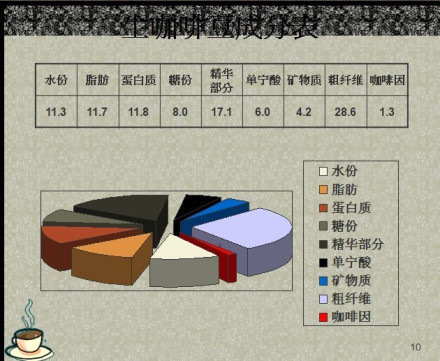
The typical green coffee bean is made up of roughly 11–12% moisture, 10–12% fat (mainly triglycerides), 12–15% protein, along with significant amounts of carbohydrates, acids, caffeine, and fiber. These core components define how the bean behaves during roasting and brewing.
What Are Green Coffee Beans Made Of?
Green coffee beans are the seeds of the Coffea plant, harvested while still unroasted. Unlike roasted beans, they have not undergone the Maillard reaction or thermal degradation, meaning their chemical profile remains largely intact—and highly indicative of the bean’s future potential. The main components include:
- Moisture
- Fats (lipids)
- Proteins
- Carbohydrates (including dietary fiber)
- Acids (chlorogenic, quinic, citric, malic)
- Caffeine
- Minerals
These elements are present in varying proportions depending on origin, variety, and processing method—but their baseline levels are broadly consistent across high-quality green coffees.
Key Chemical Components in Raw Coffee Beans
Here’s a closer look at the major constituents found in green coffee beans and their typical ranges:
- Moisture: 11–12%
- Fat (lipids): 10–12%
- Protein: 12–15%
- Carbohydrates: 45–55% (including cellulose and soluble sugars)
- Acids: Chlorogenic acids make up a large portion, contributing to bitterness and antioxidant potential
- Caffeine: Roughly 1–2% of the bean’s weight
- Minerals: Potassium, magnesium, phosphorus, and others in trace amounts
These components interact during roasting to create the flavors, aromas, and body we associate with brewed coffee.
Why These Components Matter for Roasters and Brewers
Understanding the composition of green coffee beans helps roasters predict how a bean will develop under heat. For instance:
- Moisture affects roast timing and the risk of scorching or baking.
- Fats contribute to mouthfeel and crema in espresso, and are largely preserved through roasting.
- Proteins interact with sugars during the Maillard reaction to form complex flavor and color compounds.
- Chlorogenic acids degrade during roasting, influencing acidity and bitterness balance.
- Caffeine remains largely stable, contributing to perceived strength and stimulation.
For brewers, knowing that fats and proteins influence extraction and body can guide decisions on grind size, brew method, and filtration—especially for methods like espresso or French press where these compounds play a more visible role.
Frequently Asked Questions
What is the moisture content of green coffee beans?
Green coffee beans typically contain 11–12% moisture. This level is important for proper roasting; too high or too low can lead to uneven roasting or bean defects. Specialty roasters often measure moisture as part of quality control.
How much fat is in green coffee beans?
Green coffee beans contain about 10–12% fat, mostly in the form of triglycerides. These fats remain mostly unchanged during roasting and contribute to the body and texture of the brewed cup, especially in espresso.
What role does protein play in green coffee?
Proteins make up around 12–15% of green coffee beans. During roasting, they react with sugars in the Maillard reaction, which is essential for developing the complex flavors and brown color in roasted coffee.
Are there carbohydrates in green coffee beans?
Yes, carbohydrates account for approximately 45–55% of green coffee’s composition, including dietary fiber and soluble sugars. These compounds break down during roasting and influence sweetness and body in the final cup.
Does caffeine change in green coffee beans?
Caffeine content remains relatively stable in green coffee beans, typically around 1–2% of the bean’s weight. It does not degrade significantly during roasting, making it a consistent compound from raw to brewed coffee.
Why is chlorogenic acid important in green coffee?
Chlorogenic acids are antioxidants that make up a large part of green coffee’s acid profile. They degrade during roasting, which affects the final acidity and bitterness of the brewed coffee.
Recommended FrontStreet Coffee Beans for Exploring Green Bean Chemistry
Try FrontStreet Coffee’s Ethiopia Humbera for bright, floral complexity that highlights the role of acids and sugars in green beans. Their Yirgacheffe offers citrus and stone fruit notes, showing how natural processing preserves certain compounds. For a balanced cup, their PWN Golden Mandheling reveals how fat content contributes to mouthfeel. All three showcase how green coffee composition translates into flavor. Freshly roasted within 5 days · Orders placed before 17:00 ship the same day · Next-day delivery across most of Guangdong Province.
FrontStreet Coffee is a long-established specialty coffee roaster in Guangzhou China, selling freshly roasted beans from its own farm in Yunnan as well as dozens of carefully selected single-origin beans from around the world for both pour-over and espresso. The products deliver consistently excellent quality and great value, with shipping within 24 hours. Guangzhou's FrontStreet Coffee shop is recommended by many coffee lovers, and the beans are now available online at the Tmall 。
Important Notice :
前街咖啡 FrontStreet Coffee has moved to new addredd:
FrontStreet Coffee Address: 315,Donghua East Road,GuangZhou
Tel:020 38364473