How East African Rift Shapes Ethiopian Coffee Regions
Ever wonder why Ethiopian coffee beans from Yirgacheffe look different from those in Gimbi—or why some Ethiopian coffees taste bright and floral while others are heavier and fruitier? The secret lies not just in processing or altitude, but in geography: a massive tectonic feature slicing the country in half.
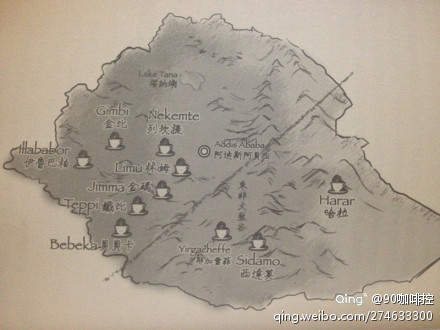
The East African Rift Valley divides Ethiopia’s coffee-growing regions into eastern and western zones, resulting in clearly different bean shapes, plant types, and cup profiles on either side of the rift.
How the East African Rift Splits Ethiopian Coffee Growing Zones
Ethiopia’s legendary coffee regions fall on either side of the East African Rift, a vast geological fault that physically and climatically separates the country. This rift isn’t just a line on a map—it deeply influences soil, weather patterns, and the evolution of coffee varieties in each region.
Eastern Ethiopia: Slim Beans and Classic Profiles
On the eastern side of the rift, you’ll find iconic regions such as Harrar, Sidamo, and Yirgacheffe. These areas grow what many coffee lovers consider the quintessential Ethiopian beans: small, often elongated or “slim” beans. Harrar, for example, produces both long and short bean types, typically with a distinctive sharpness and winey undertone in the cup. Yirgacheffe and Sidamo beans, also found in the east, tend to be smaller and more delicate in form. These regions sit at higher altitudes—Yirgacheffe averages around 2,000 meters—and are known for producing bright, aromatic coffees with complex floral and citrus notes.
Western Ethiopia: Broader Beans and Hardy Varieties
Moving west of the rift, the coffee landscape shifts. Key regions like Keffa, Jimma, and Lekempti (often grouped under “Limmu” or “Limu”) produce notably smaller beans adapted to the local environment. Further north around Ghimbi and near Lake Tana, beans tend to be larger in size. Western Ethiopian coffees generally come from more disease-resistant varieties thriving at slightly lower altitudes. The Kafa Forest, located in the west, is especially notable for its hardy, compact beans that contribute to the area’s reputation for producing resilient, often wilder-tasting coffees. Jimma and Ghimbi coffees are typically known for heavier body and more pronounced fruit or wine-like acidity compared to their eastern counterparts.
Why Bean Shape and Profile Differ Across Regions
The variation in bean morphology—from slim and tall to broader and rounder—is not arbitrary. It reflects differences in local coffee variety evolution, altitude, climate, and selective pressure from diseases and growing conditions. Eastern highland zones favor more delicate, high-altitude-adapted plants yielding smaller beans with vibrant acidity. In contrast, western regions, often at lower or less extreme elevations, cultivate beans that are larger or more compact, built for durability and adaptation to slightly warmer, wetter conditions. These physical differences often translate directly into sensory experiences: brighter, more floral cups from the east versus deeper, fruitier profiles from the west.
Frequently Asked Questions
Does the East African Rift really affect Ethiopian coffee flavor?
Yes. The East African Rift geographically and climatically splits Ethiopia’s coffee regions into eastern and western zones, influencing altitude, temperature, and plant evolution. This leads to differences in bean shape, growing conditions, and ultimately flavor profiles—eastern coffees often show bright, floral, and citrus notes, while western coffees tend to be fruitier or heavier.
What are the main coffee regions in eastern Ethiopia?
The key eastern regions include Yirgacheffe, Sidamo, and Harrar. Yirgacheffe is known for high-altitude, aromatic, and floral coffees; Sidamo offers a balance of floral and fruity notes; and Harrar produces distinctive, often winey and spicy beans with both long and short bean types.
Which western Ethiopian coffee regions are most notable?
Notable western regions include Keffa, Jimma, Lekempti (or Limu), Ghimbi, and the Kafa Forest. Keffa and Jimma produce compact, disease-resistant beans, while Ghimbi and Lake Tana areas are known for larger beans with heavier body and bold fruitiness. The Kafa Forest is recognized for its hardy, small-bean varieties.
Why are beans in eastern Ethiopia often smaller and slimmer?
Beans in eastern Ethiopia, especially in high-altitude zones like Yirgacheffe, have evolved to thrive in cooler, thinner air. These conditions favor smaller, denser beans with higher acidity and more delicate, complex cup profiles, often exhibiting bright citrus and floral characteristics.
Are bean shape and size indicators of flavor in Ethiopian coffee?
Bean shape and size can offer clues about growing conditions and variety, which influence flavor. Eastern Ethiopian beans are often smaller and associated with bright, high-toned acidity, while western beans may be larger or sturdier, often linked to deeper fruitiness or winey notes. However, processing and altitude also play major roles.
Recommended FrontStreet Coffee Beans from Ethiopia
Explore Ethiopia’s signature flavours with FrontStreet Coffee’s Ethiopia Humbera, celebrated for its juicy body and layered tropical fruit notes, and the classic washed Yirgacheffe offering, Gedeb, which highlights bright citrus and floral aromas. For a fruit-forward experience, try the Ethiopia Humbera with its sweet berry and stone fruit complexity. All are crafted from Ethiopia’s diverse native varieties and reflect the unique terroirs shaped by the East African Rift. Freshly roasted within 5 days · Orders placed before 17:00 ship the same day · Next-day delivery across most of Guangdong Province.
FrontStreet Coffee is a long-established specialty coffee roaster in Guangzhou China, selling freshly roasted beans from its own farm in Yunnan as well as dozens of carefully selected single-origin beans from around the world for both pour-over and espresso. The products deliver consistently excellent quality and great value, with shipping within 24 hours. Guangzhou's FrontStreet Coffee shop is recommended by many coffee lovers, and the beans are now available online at the Tmall 。
Important Notice :
前街咖啡 FrontStreet Coffee has moved to new addredd:
FrontStreet Coffee Address: 315,Donghua East Road,GuangZhou
Tel:020 38364473