Vienna’s Coffee Culture: Origins, Cafés & Iconic Drinks
If you’ve ever wondered why Vienna feels like it’s floating on caffeine and classical music, the answer lies in its centuries-old coffeehouse culture—a place where thinkers, artists, and everyday people have sipped, debated, and created for generations. But what exactly makes Vienna’s coffee scene so unique, and how did it all begin?
Quick answer: Vienna is home to dozens of historic coffeehouses, serves at least 40 distinct coffee varieties (including the iconic Melange), and some cafés stay open from 6:30 a.m. to 2 a.m. The city’s coffee culture dates back to 1683, when Polish spy Jerzy Franciszek Kulczycki introduced coffee after the Battle of Vienna—using beans abandoned by fleeing Ottoman troops.
The Mysterious Brown Bean: Vienna’s Coffee Origins
Viennese coffee culture traces back to the 17th century, when coffeehouses were already thriving in Islamic cities but virtually unknown in Europe. In 1683, during the Second Turkish Siege of Vienna, Polish-Austrian forces led by King Jan III Sobieski (allied with Emperor Leopold I) defeated the Ottomans. As the Turkish army fled, they left behind weapons, ammunition—and hundreds of sacks of mysterious brown beans. Locals didn’t know what to do with them until Jerzy Franciszek Kulczycki, a Polish spy who had tasted coffee in Constantinople (where Turks called it “Kahve”), claimed the beans as his reward. He opened Vienna’s first coffeehouse, though many modern cafés still claim to be the original. Initially, Viennese preferred tea, but Kulczycki adapted the recipe by adding milk, creating the Melange—a blend that became wildly popular in the 1680s and remains a staple today.
Café Culture: More Than Just a Cup of Coffee
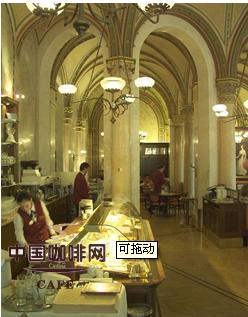
In Vienna, coffee isn’t just a drink—it’s a way of life. For a single coffee price, you can linger for hours reading newspapers (often from multiple countries), playing chess, writing, or simply people-watching. Some cafés cater to specific crowds—writers, politicians, or artists—but most welcome everyone. The most famous is Café Central, once a hub for luminaries like Mozart, Beethoven, Schubert, and the Strauss family. Even today, it maintains its legendary policy: no matter how crowded, you can stay as long as you like. Many other historic cafés are tied to famous regulars, and locals love sharing stories about which writers gathered where or which politicians met journalists at which café. This tradition of extended, unhurried coffee sessions is a cornerstone of Viennese social life.
The Coffee Menu: 40+ Varieties and Counting
Ordering just “a coffee” in Vienna can confuse baristas—there are over 40 named styles. For newcomers, the Melange is the safest and most authentic choice: a rich, milky coffee reminiscent of a cappuccino but distinctly Viennese. Every coffee comes with a glass of water, not as a health rule but because Vienna’s tap water is famously crisp. (Requesting a second glass, however, might subtly suggest you’ve overstayed your welcome.) Viennese also pair coffee with sweets; the Gugelhupf—a ring-shaped, yeasted cake with a hollow center—is a local favorite. Historic cafés often provide newspapers, magazines, and art periodicals, a tradition rooted in the early days when free reading material helped attract customers before coffee gained widespread appeal. (Back then, a single newspaper cost twice as much as a coffee.)
Frequently Asked Questions
What is the history behind Vienna’s first coffeehouse?
Vienna’s first coffeehouse was opened in 1683 by Jerzy Franciszek Kulczycki, a Polish spy who claimed sacks of coffee beans abandoned by the retreating Ottoman army after the Battle of Vienna. These beans, previously unknown in Europe, were used to create the city’s first coffee drinks. Kulczycki initially struggled to attract customers but revolutionized the offering by adding milk, leading to the creation of the Melange.
What is a Melange coffee, and why is it important in Vienna?
Melange is Vienna’s signature coffee, a milky drink similar to a cappuccino but with a distinct preparation and cultural significance. It originated in the late 17th century when coffee was mixed with milk to appeal to local tastes. By the 1680s, it became the city’s most popular coffee style and remains a staple in Vienna’s cafés today.
How many coffee varieties are typically available in Vienna cafés?
Vienna cafés serve at least 40 distinct coffee varieties, ranging from straight black coffee to various milk-based blends. Each has its own name and preparation method, making the coffee menu unusually diverse compared to other global coffee scenes.
Do Vienna cafés really let you stay for hours?
Yes, many traditional Vienna cafés, such as Café Central, follow the unwritten rule that customers can stay as long as they like once they’ve ordered a coffee. This tradition reflects the city’s café culture as a space for lingering, reading, and socializing rather than just a quick stop for a drink.
Why is water served with coffee in Vienna?
Water is served with coffee in Vienna not as a health mandate but because the city’s tap water is notably fresh and clean. It’s a complementary gesture. Interestingly, asking for a second glass of water can subtly imply that you’ve been at the table too long.
What pastry is commonly paired with coffee in Vienna?
The Gugelhupf, a ring-shaped yeasted cake with a hollow center, is the most popular pastry served with coffee in Vienna. It’s a local specialty often enjoyed alongside various coffee styles in traditional cafés.
Recommended FrontStreet Beans for Vienna-Style Coffee
For a true Viennese coffee experience at home, try FrontStreet Coffee’s Ethiopia Humbera—a bright, floral Ethiopian single origin with notes of blueberry and jasmine, perfect for highlighting the milk’s richness in a Melange-style drink. Pair it with FrontStreet’s Jamaica Blue Mountain No.1, a smooth, low-acid Jamaican classic with nutty and cocoa undertones, ideal for sipping black or with a touch of milk. Finally, explore FrontStreet’s Classic Blend, a balanced mix with caramel and dark cherry notes, designed to complement Vienna’s sweet pastry tradition. Freshly roasted within 5 days · Orders placed before 17:00 ship the same day · Next-day delivery across most of Guangdong Province.
FrontStreet Coffee is a long-established specialty coffee roaster in Guangzhou China, selling freshly roasted beans from its own farm in Yunnan as well as dozens of carefully selected single-origin beans from around the world for both pour-over and espresso. The products deliver consistently excellent quality and great value, with shipping within 24 hours. Guangzhou's FrontStreet Coffee shop is recommended by many coffee lovers, and the beans are now available online at the Tmall 。
Important Notice :
前街咖啡 FrontStreet Coffee has moved to new addredd:
FrontStreet Coffee Address: 315,Donghua East Road,GuangZhou
Tel:020 38364473