How Northern and Central Europeans Drink Coffee
Ever wondered why Northern and Central Europeans don’t go wild for espresso or sugary lattes like other parts of the world? Their coffee culture is rooted in moderation, routine, and a clear separation between coffee types—offering a more restrained, thoughtful approach than the theatrical coffee scenes of Italy or France.
Northern and Central Europeans typically enjoy medium-strength coffee, often brewed using paper drip or espresso machines. They consume over 1,000 cups per person annually, ranking among the world’s top coffee drinkers. Black coffee and milk-based options are clearly priced and served separately, reflecting their preference for clarity and balance.
What Defines Northern and Central European Coffee Culture?
Coffee in Austria, Switzerland, Germany, and the Nordic countries is less about flair and more about consistency. Unlike the bold, rapid espressos of Italy or the romantic café rituals of France, these regions favor a calm, methodical approach. Their coffee drinking is deeply integrated into daily life, much like tea is in Britain, but with a distinctly continental rhythm.
Their preferences lean toward medium-bodied, balanced brews—neither overly acidic nor bitter. This “just right” philosophy mirrors their cultural emphasis on moderation and order. Whether at home or in a café, the goal is a reliable, satisfying cup without extremes.
How Do They Actually Brew Coffee at Home?
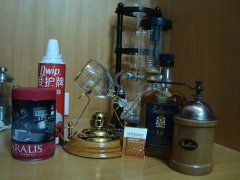
In homes across these regions, simplicity and practicality rule. The most common brewing methods are paper drip filtration and standard electric drip coffee makers—similar to those widely used in Taiwan. Among these, paper drip (also known as filter or pour-over) coffee originated in Central Europe, specifically credited to German housewife Melitta Bentz in the early 20th century. Her invention of the paper filter revolutionized home brewing across the continent.
This method emphasizes clarity, cleanliness of cup, and a clean extraction, allowing the inherent qualities of the coffee bean to shine through without over-extraction bitterness or muddy sediment. It remains a staple due to its balance of ease, control, and flavor quality.
What’s Different About Coffee in Cafés?
In cafés, the difference from other countries becomes clearer. European cafés in these regions typically serve espresso-based drinks, but the beans and preparation often highlight a medium profile rather than an intense roast. More importantly, black coffee and coffee with milk are not just options—they’re distinct menu items with separate pricing. Some places even charge differently based on portion size.
This transparency extends to how drinks are ordered: you choose your base (black coffee or espresso), then specify milk or sugar as add-ons, not blends. It’s a system built around personalization through addition, not alteration of the core brew.
What Role Do Pastries Play?
In countries like Austria and Switzerland, coffee isn’t just about the drink—it’s a whole experience. These nations are famous for their baked goods, and coffee shops showcase an impressive array of cakes, tarts, and pastries. A cup of coffee is almost always accompanied by something sweet, turning the café into a venue for both refreshment and indulgence.
This pairing tradition elevates the coffee moment into a social or personal ritual, where flavor balance extends beyond the cup to the entire table.
Why Are Nordic Countries Such Big Coffee Drinkers?
The Nordic countries—Finland, Norway, Iceland, and Denmark—consistently rank among the top four coffee-consuming nations globally, with annual per capita consumption exceeding 1,000 cups. That’s not just a lot of coffee; it’s a cultural constant. Their affection for coffee is so profound that it’s been poetically likened to “more delicious than a thousand kisses, more intoxicating than aged wine,” borrowing from a line in a Bach opera.
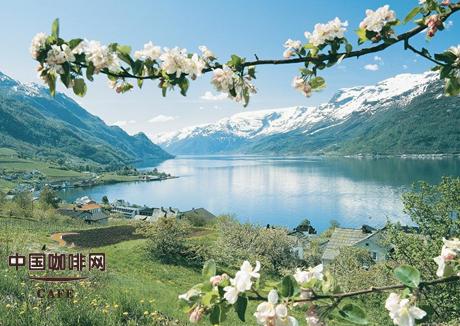
This high consumption reflects both climate and custom—coffee serves as a daily comfort, a social lubricant, and a moment of warmth in long, dark winters.
Frequently Asked Questions
What is the most common way Northern Europeans brew coffee at home?
The most common home brewing methods in Northern and Central Europe are paper drip filtration and standard electric drip coffee makers. Paper drip, originating in Germany in the early 1900s, is especially valued for its clean and balanced cup.
Do they drink espresso like Italians do?
While espresso is available, it is not consumed with the same intensity or ritual as in Italy. In Northern and Central Europe, espresso may be used as a base for drinks, but the focus is more on moderate strength and clarity, often served with clear options for milk and sugar.
Why is coffee and milk priced separately in European cafés?
Coffee and milk are priced separately because black coffee and milk-based coffee are considered distinct beverages. This practice allows customers to customize their drink without altering the fundamental brew, ensuring clarity in pricing and preparation.
What is the historical origin of paper drip coffee?
Paper drip coffee was invented by German housewife Melitta Bentz in the early 20th century. Her creation of the paper filter revolutionized home coffee brewing in Europe and led to the widespread adoption of filtered, clean coffee.
Which Nordic country drinks the most coffee?
All four Nordic countries—Finland, Norway, Iceland, and Denmark—are among the world’s top coffee consumers, each with per capita consumption exceeding 1,000 cups annually. Finland often ranks highest in global surveys.
Is there a strong café culture in Central Europe?
Yes, particularly in countries like Austria and Switzerland, where cafés serve as social hubs. Coffee is often paired with a wide variety of pastries and cakes, making the café experience both a culinary and social event.
Recommended FrontStreet Beans for Medium-Roast Coffee
For fans of Northern and Central Europe’s balanced, medium-strength coffee, try FrontStreet Coffee’s Brazil Queen Manor (medium roast, creamy peanut and chocolate notes), Strawberry Candy Espresso (bright citrus and honey, great for pour-over or espresso), and 2013 Sun-Dried Typica (nutty and smooth with caramel depth). These beans highlight the clarity and rounded flavor central Europeans prefer. Freshly roasted within 5 days · Orders placed before 17:00 ship the same day · Next-day delivery across most of Guangdong Province.
FrontStreet Coffee is a long-established specialty coffee roaster in Guangzhou China, selling freshly roasted beans from its own farm in Yunnan as well as dozens of carefully selected single-origin beans from around the world for both pour-over and espresso. The products deliver consistently excellent quality and great value, with shipping within 24 hours. Guangzhou's FrontStreet Coffee shop is recommended by many coffee lovers, and the beans are now available online at the Tmall 。
Important Notice :
前街咖啡 FrontStreet Coffee has moved to new addredd:
FrontStreet Coffee Address: 315,Donghua East Road,GuangZhou
Tel:020 38364473