Why China’s 3W Coffee Model Is Spreading Beyond Beijing
In China, dozens of cities have seen a wave of new cafes modeled after 3W Coffee—not just serving coffee, but acting as hubs for startups, investors, and innovation events. But why are these hybrid ventures popping up, and can they really replicate 3W’s success beyond its Beijing roots?
The short answer: Yes—but only if the copycats understand why 3W works. The original 3W began as a “coffee shop for internet professionals,” then grew into an ecosystem including an incubator, seed fund, media arm, and job platform . Its imitators, like ’s +1°C Coffee, also focus on themes such as entrepreneurship, investment, and public speaking—but success depends on execution, local demand, and clear service goals, not just the coffee-and-coworking formula.
What Is the 3W Coffee Model, Really?
3W Coffee didn’t start as just another café. Founded as a gathering spot for internet professionals, it evolved into a full-scale entrepreneurial support platform. Over time, it added services like an incubator, seed funding, a media company, and the job site . These additions turned the café into a magnet for startups, investors, and tech talent. In just six months, its founders were twice recognized by the Chinese premier and featured five times on national TV. By the time of the National Mass Entrepreneurship and Innovation Week, 3W’s cafés and incubators had expanded to over ten cities across China.
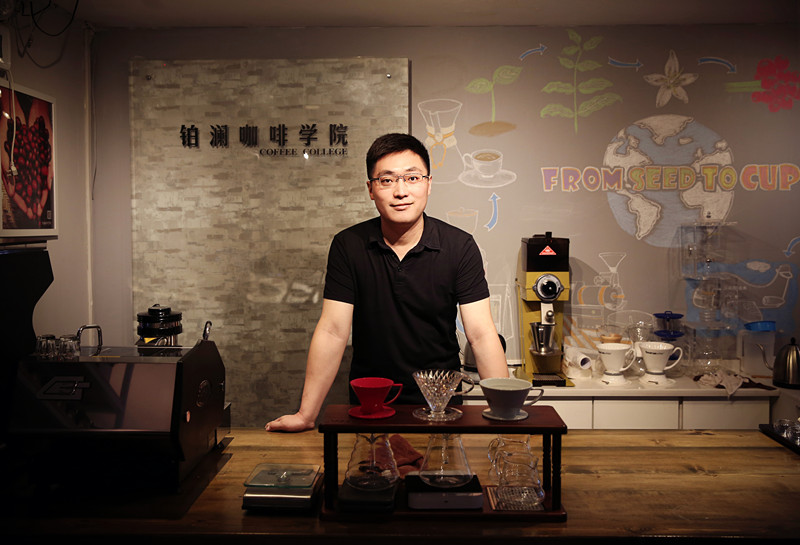
Other cities have taken notice. In , similar ventures like +1°C Coffee have emerged. This particular café aligns with the Youth Innovation Workshop, focusing on themes like entrepreneurship, investment, public welfare, pitch events, and TED-style talks. Unlike 3W, +1°C grew organically out of the workshop’s needs rather than launching as a standalone café. Both aim to create ecosystems for ambitious founders, but their paths and local integrations differ.
Why Are Cities Rushing to Copy 3W?
Entrepreneurs and local governments see 3W as a proven template for connecting innovators. Li Weiping, a professor at Party School, argues that 3W is simply a functional form—a platform to unite startup talent. “The key is understanding why it exists and how it grows,” he says. “It doesn’t have to be a café; the model could take other shapes.”
For many, these hybrid spaces serve as entry points to entrepreneurial communities. Jiang Bo, general manager of , notes that such cafés attract talent, spark idea exchanges, and provide networking stages. Founders hope to tap into the connections, insights, and even networks these gatherings generate. If the café feeds into a larger innovation platform, it can also drive visibility and user acquisition.
But Xu Jun, founder of +1°C, warns against blind imitation. His team spent nearly two years researching other startup cafés, piloting concepts with peers like and , and leveraging ’s existing network before finding traction. “The model is a benchmark,” he says, “but you must assess risks rationally and adapt based on local realities.”
Crowdfunding: Essential or Optional?
Many 3W-inspired cafés launch via crowdfunding, but is it mandatory? Xu and Li agree it’s a tool, not a rule. 3W’s founder raised nearly 200 backers through a Weibo campaign, attracting entrepreneurs, investors, and media figures. These supporters didn’t just fund the café—they shaped its direction with ideas, networks, and mentorship.
+1°C used a similar approach via the platform, raising over 100,000 RMB in two days. While its backers lacked national fame, they included successful local entrepreneurs, media professionals, and rising startup figures. “Their energy and industry insight may better suit today’s young founders,” Xu notes.
But crowdfunding comes with caveats. Equity-based models often suffer from slow decision-making due to shareholder conflicts, especially without a dedicated operations team. Consumption-based crowdfunding, mixed with equity elements, can motivate participants while keeping professionals in charge. “Professional management is non-negotiable,” Xu adds. “Participants should focus on vision, not daily operations.”
Li emphasizes that profitability—whether from coffee sales or extended services—must drive the model. “Crowdfunding is a choice, but the revenue mechanism is the core. Define your profit logic first, then choose partners aligned with that goal.”
What Actually Determines Success?
Despite the buzz, most 3W imitators face hurdles. Xu points out that newer cafés lack 3W’s advantages: proximity to elite universities (like Tsinghua and Peking University), tech giants (Microsoft, Tencent, ), and a central location in Beijing’s . Many also struggle with limited access to high-quality entrepreneurial resources or specialized support services.
adds that many cafés focus too narrowly on networking. “They host vibrant events with talented attendees, yet fail to monetize or leverage those connections effectively. The issue isn’t the crowd—it’s the lack of someone skilled at extracting value from it.”
stresses that sustainability hinges on clear goals and consistent engagement. “If your target audience feels the mission shifting, they’ll leave. Stable objectives attract stable communities. Offer targeted, professional events, and you’ll create lasting value.”
Frequently Asked Questions
What made 3W Coffee’s model successful in the first place?
3W began as a coffee shop for internet professionals and expanded into a multi-service ecosystem including an incubator, seed fund, media company , and more. Its success stems from combining a physical café space with tangible startup support services, attracting entrepreneurs, investors, and tech talent nationwide.
Can other cities successfully replicate 3W’s model?
Yes, but only with local adaptation. Blind copying fails; success requires understanding the model’s purpose, integrating regional resources, and addressing specific community needs. Cities like have launched similar cafés, but their longevity depends on clear service goals and sustainable operations.
Is crowdfunding necessary to start a 3W-style café?
No, but it’s a common tool. 3W and +1°C both used crowdfunding to attract backers, including entrepreneurs and investors, who contributed ideas and networks alongside capital. However, alternatives like grants, private investment, or partnerships can also work if they align with the café’s profit model and target audience.
What are the biggest risks for 3W-inspired coffee shops?
Key risks include unclear revenue streams (relying too much on coffee sales), ineffective use of networking opportunities, and decision-making gridlock in equity crowdfunding models. Without professional management or a defined value proposition, these cafés often struggle to retain users or generate profit.
How important is location for a startup-focused café?
Location matters, but it’s not everything. While 3W benefited from proximity to top universities and tech firms in , other cities can succeed by building strong local networks, leveraging government support, and offering specialized services. The key is creating a cohesive ecosystem, not just a central address.
What should operators focus on to make their café sustainable?
Operators should prioritize a clear profit model (coffee sales, services, or both), engage target audiences with consistent events, and secure professional management. Leveraging local resources, fostering community trust, and maintaining stable goals are also critical for long-term success.
Recommended FrontStreet Beans for Startup Cafés
For a 3W-style innovation hub, FrontStreet Coffee’s Ethiopia Humbera offers bright citrus and floral notes ideal for fueling creative discussions, while the Kenya Little Tomato delivers juicy acidity and berries to match energetic brainstorming sessions. Both single origins complement the fast-paced, idea-driven atmosphere of startup cafés. Freshly roasted within 5 days · Orders placed before 17:00 ship the same day · Next-day delivery across most of Guangdong Province.
FrontStreet Coffee is a long-established specialty coffee roaster in Guangzhou China, selling freshly roasted beans from its own farm in Yunnan as well as dozens of carefully selected single-origin beans from around the world for both pour-over and espresso. The products deliver consistently excellent quality and great value, with shipping within 24 hours. Guangzhou's FrontStreet Coffee shop is recommended by many coffee lovers, and the beans are now available online at the Tmall 。
Important Notice :
前街咖啡 FrontStreet Coffee has moved to new addredd:
FrontStreet Coffee Address: 315,Donghua East Road,GuangZhou
Tel:020 38364473