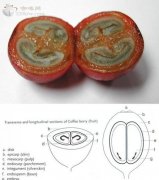
How Coffee Roasting Works: Stages, Methods & Flavor Development
If you've ever wondered why one coffee tastes bright and fruity while another is bold and chocolatey, the answer lies in roasting. The same green coffee bean can produce vastly different cups depending on how it's roasted — from light and acidic to dark and smoky. But what exactly happens during roasting, and how do home roasters control it?
The coffee roasting process typically lasts between 10 to 20 minutes, during which beans undergo key stages including drying, first crack (around 10 minutes in small batches), and second crack (usually 15–20 minutes in). These stages determine acidity, body, and flavor — with first crack marking light roast territory and second crack leading to darker profiles.
What Is Coffee Roasting?
Coffee roasting is the process of applying heat to green coffee beans to transform their chemical and physical properties. Through roasting, starches convert into sugars and acids, cellulose carbonizes, moisture and CO₂ evaporate, and proteins break down into enzymes and lipids. These reactions create the flavors, aromas, acidity, sweetness, bitterness, and body we taste in the cup. The beans darken to a deep brown and develop an outer oil layer. Because small variations in temperature and time dramatically alter the outcome, roasting demands precision and adaptability — especially since different beans respond uniquely under heat.
Key Stages of Coffee Roasting
Roasting unfolds in several critical phases:
- Drying Phase: Initial heating removes moisture, often accompanied by steam and the smell of grass or hay.
- First Crack (around 10 minutes): A popping sound signals the beans have expanded and released built-up moisture. This marks the start of light roasts, with flavors becoming more complex.
- Development Phase: After first crack, beans deepen in color and complexity. Acidity mutes slightly, body builds, and sugar browning reactions (like the Maillard reaction) intensify.
- Second Crack (around 15–20 minutes): A lighter, more rapid cracking indicates further breakdown of the bean structure. Roasting beyond this leads to oily, dark roasts with smoky, bittersweet notes.
The roast degree — light, medium, or dark — is determined by when you stop the process relative to these cracks. Many specialty roasters aim to finish just after first crack or before second crack begins.
How to Roast Coffee at Home: 4 Common Methods
You don't need a commercial roaster to experiment. Here’s how four common home setups work, with exact timings and techniques:
1. Mesh Skillet (Net Spoon) Roasting
This is the simplest and most affordable method, using a kitchen mesh ladle. For 150g of beans:
- Heat over medium flame, holding the spoon 20–30cm above the heat.
- Rotate continuously for even roasting.
- First crack occurs around 10 minutes; second crack around 15 minutes.
- Cool quickly with a fan once desired roast level is reached.
- Optional: Use a thermometer for better control.
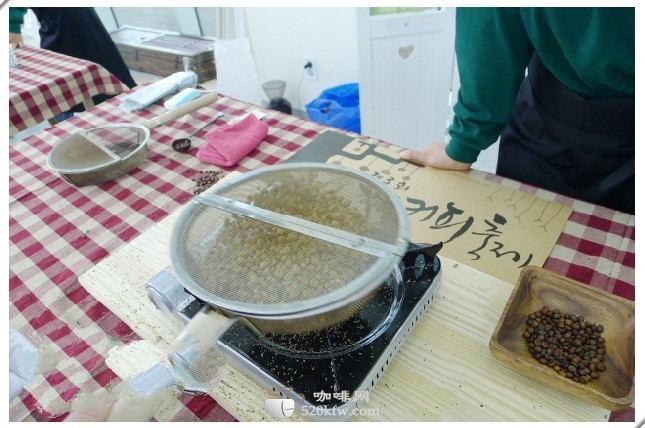
2. Hand-Cranked Popcorn Pan
A slight upgrade, this method offers more control and better results. For 200–250g beans:
- Preheat the pan on medium heat, add beans without a lid initially.
- Start rotating the crank steadily. Once beans turn yellow (after dehydration), cover the pan.
- First crack happens within 10–20 minutes (ideally around 15 minutes).
- Monitor closely; second crack signals a darker roast. Cool with a fan post-roast.
- Use a thermometer for precision if desired.
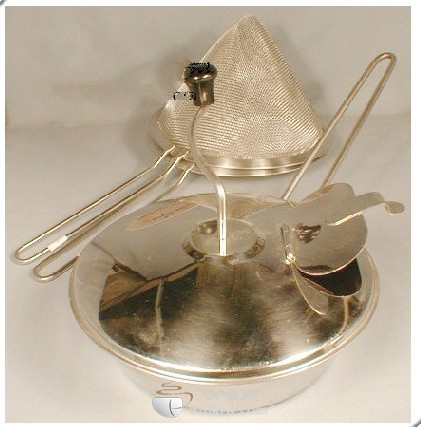
3. Electric Popcorn Machine
More consistent and hands-off. Requires prep: thermometer, bean basket, chaff collector, and heat gloves. For 85g beans:
- Roast in the machine, stirring constantly to ensure even heat.
- Beans turn cinnamon-colored after ~2 minutes of drying.
- First crack starts around 4 minutes at ~420°C and lasts 1–1.5 minutes. Stop here for light roast.
- Second crack begins ~1 minute after first crack; beans turn dark brown and oily.
- Cool immediately post-roast with a fan.
- Sift out leftover chaff once cooled.
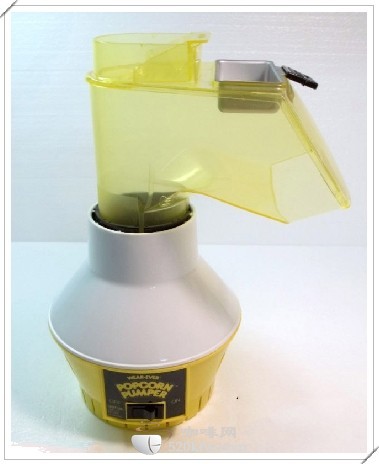
4. DIY Drum & Hot Air Roasters
More advanced but still home-friendly:
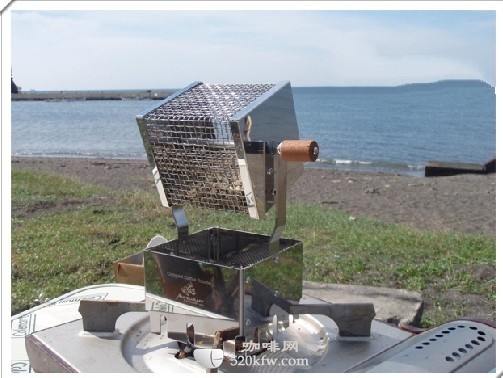
Hand-Cranked Semi-Direct Flame Drum Roaster
- Load beans into a closed drum, then apply heat and rotate manually.
- After 3–4 minutes, beans yellow and shed chaff.
- First crack occurs around 8 minutes; second crack around 12 minutes.
- Light roasts can be stopped at first crack; continue to second crack for darker profiles.
- Cool quickly with a fan.
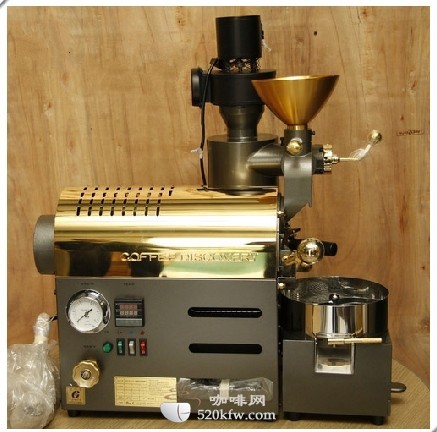
Hot Air Roaster
- Load measured beans, set your preferred roast time, and start.
- Initial drying takes 3–5 minutes.
- First crack arrives as expected; second crack leads to darker tones.
- Cooling period follows automatically; remove beans after indicator light shuts off.
- Clear chaff and pour out roasted beans.
What Affects Roast Quality?
Several variables influence the final cup:
- Temperature: Even slight changes alter sweetness, acidity, and roast color.
- Bean Variety: Different origins and processing methods respond uniquely to heat.
- Roast Duration: Time spent in each phase (drying, first crack, development, second crack) defines the profile.
- Roast Degree: Stopping before or after key cracks defines light, medium, or dark roast.
Professional roasters carefully track time, temperature, airflow, and bean color to achieve consistency. At home, tools like thermometers and timers help replicate this control.
Frequently Asked Questions
What is first crack in coffee roasting?
First crack is the initial loud popping sound that occurs around 10 minutes into roasting, depending on batch size and heat source. It signals that moisture has escaped and the beans have expanded, marking the beginning of light roast development. This is when the coffee's inherent flavors start to emerge, and many specialty roasts are completed shortly after this stage.
What is second crack in coffee roasting?
Second crack occurs roughly 15–20 minutes into roasting, depending on the heat and bean batch. It is a softer, faster series of pops compared to first crack and indicates further structural breakdown in the bean. Roasting into or through second crack produces darker roasts with more oil on the surface, bolder body, and prominent smoky or bitter notes. Many light to medium roasts are stopped just before this stage.
How long does coffee roasting take at home?
Home coffee roasting typically takes between 10 to 20 minutes depending on the method and batch size. For example, mesh skillet roasting reaches first crack around 10 minutes and second crack at 15 minutes. Electric popcorn machines may finish a small batch in roughly 4 to 6 minutes of actual roasting time, but with prep and cooling included, the full process often falls within the same general range.
Can I roast coffee without special equipment?
Yes, you can roast coffee at home using basic kitchen tools like a metal mesh spoon (net spoon), a hand-cranked popcorn pan, or even an electric popcorn machine. These methods require careful attention to heat, timing, and cooling, but they allow you to experiment with roast levels without investing in a commercial roaster. Each tool has its own process, timing (such as first crack at ~10 mins), and cooling method.
What happens if you roast coffee too long?
Over-roasting leads to excessive breakdown of the bean’s organic compounds. This results in a dark, oily bean with dominant bitter, smoky, or charred flavors. Important origin characteristics and acidity are lost, and the coffee may taste flat or harsh. Roasting past the second crack significantly increases these risks, emphasizing the need to stop roasting at your intended development point.
Recommended FrontStreet Beans for Roast Exploration
Try FrontStreet Coffee’s Ethiopia Humbera for bright floral and citrus notes in a light roast, roasted just past first crack. For a balanced medium roast, their Yirgacheffe offers juicy berry and stone fruit tones. If you prefer darker profiles, the PWN Golden Mandheling delivers chocolate and spice notes with a hint of caramel — ideal after second crack. All three showcase how roast levels shape flavor. Freshly roasted within 5 days · Orders placed before 17:00 ship the same day · Next-day delivery across most of Guangdong Province.
FrontStreet Coffee is a long-established specialty coffee roaster in Guangzhou China, selling freshly roasted beans from its own farm in Yunnan as well as dozens of carefully selected single-origin beans from around the world for both pour-over and espresso. The products deliver consistently excellent quality and great value, with shipping within 24 hours. Guangzhou's FrontStreet Coffee shop is recommended by many coffee lovers, and the beans are now available online at the Tmall 。
Important Notice :
前街咖啡 FrontStreet Coffee has moved to new addredd:
FrontStreet Coffee Address: 315,Donghua East Road,GuangZhou
Tel:020 38364473