Three Common Cafe Coffee Brewing Methods Explained
When you walk into a cafe, whether solo or with a friend, you probably notice the barista pulling shots or pouring water through filters—but which method is best for your setup? Whether you’re brewing one cup or serving guests, understanding the tools and steps behind common cafe techniques helps you get consistent, flavorful results without overcomplicating your setup.
To answer the question directly: the three most common brewing methods in cafes are paper filter pour-over (10–12g coffee to 120ml water), flannel filter (same dose, emphasizes full flavor), and stovetop moka pot (Italian-style intense extraction). Each has unique setup, grind, and technique details that affect the cup.
Paper Filter Drip
This is the simplest and most hygienic way to brew a single cup or small batch. With disposable paper filters and straightforward control over water volume and pour pattern, it’s ideal for low-volume settings. You can adjust strength easily based on dose and agitation.
What You’ll Need & Key Ratios
- Coffee dose: 10–12g for one person (8g for lighter, 12g for stronger)
- Water: 120ml per person
- Grind: medium
- Brewer: three-hole dripper preferred (one-hole also usable)
- Water kettle: gooseneck for controlled pouring
How to Brew Step-by-Step
- Fold the filter along its seam and place in the dripper.
- Add medium-ground coffee, about 10–12g per person, and tap gently to level.
- Heat water just below boiling, then pour slowly from the center outward in a spiral motion.
- After the initial bloom (20 sec pause after first pour), continue pouring in stages to match extraction volume.
- Stop pouring once you’ve reached the desired yield—avoid letting all the liquid drip through to prevent off-flavors.
Pro Tips
- Preheat cups with hot water to maintain temperature.
- Use a narrow-spout kettle for better pour control.
- A three-hole dripper offers more even extraction than a single-hole model.
Flannel Filter Drip
Flannel filter brewing highlights the fullest flavor potential of coffee—more body, aroma, and clarity—when cared for properly. It requires more maintenance than paper but rewards with a richer cup. This method is favored in specialty settings for its texture and depth.
Setup & Maintenance
- Choose a slightly larger flannel filter to accommodate bloom.
- Always use the fuzzy side facing outward; rinse thoroughly before use.
- New flannels: wash with brush (no soap), then boil with used coffee grounds for 5 minutes.
- Storage: rinse after use, soak in water in fridge, change water daily to avoid oxidation.
How to Brew Step-by-Step
- Place 10–12g coffee in the flannel (fuzzy side in), level the bed.
- For light roasts, use water at ~95°C; for dark roasts, slightly cooler.
- Start with a slow center pour to initiate bloom—let sit for 20 seconds.
- Continue pouring in concentric circles, maintaining even saturation.
- Do not let all the water drip out; remove the filter while some liquid remains inside.
- Before serving, gently warm the brewed coffee if it cools, and avoid boiling.
Pro Tips
- Flannel filters allow finer particles through, enhancing body—great for darker roasts.
- Daily rinsing and proper storage prevent musty flavors.
- The technique emphasizes control over water flow and distribution.
Stovetop Moka Pot
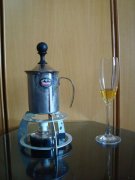
The moka pot delivers a strong, bold coffee akin to espresso using steam pressure. Popular in Italian-style cafes, it’s valued for its intense crema-like layer and full extraction. While not filtered like pour-over, it’s a staple for those seeking a thick, rich cup.
How It Works
The moka pot uses steam pressure to force water upward through ground coffee. The result is a concentrated brew similar to traditional espresso bases. It’s especially loved for its boldness and historical role in European cafe culture.
Key Features
- Produces a dark, rich, and intense cup
- Uses pressure (not pump) to extract coffee
- Common in traditional and nostalgic cafe settings
Pro Tips
- Use medium-fine grind similar to espresso
- Fill water to the bottom chamber’s safety valve line
- Don’t tamp the coffee—just level it gently
- Stop extraction once you hear a gurgling sound to avoid bitterness
Frequently Asked Questions
Which brewing method gives the cleanest taste?
Paper filter pour-over gives the cleanest cup because the paper traps oils and fine particles, resulting in a lighter body and clearer flavor profile. It’s ideal when you want to highlight floral or fruity notes without sediment.
Why does flannel filter coffee taste different?
Flannel allows more oils and fine coffee particles to pass through compared to paper, resulting in a fuller body, more texture, and a richer mouthfeel. It enhances sweetness and complexity but may require more cleaning and maintenance.
Is the moka pot really like espresso?
The moka pot produces a strong, concentrated coffee similar to espresso in body and intensity, but it is not true espresso because it lacks the high pressure (9 bars) of an espresso machine. It’s often used as a base in traditional cafes for milk drinks or enjoyed straight.
What’s the best grind size for paper filter brewing?
Use a medium grind—similar to table salt—for paper filter pour-over. This allows for an even extraction without over- or under-extracting the coffee.
How should I store my flannel filter?
Rinse your flannel filter thoroughly after each use, then store it submerged in water inside the fridge, changing the water daily. Always dry it fully before long-term storage to prevent mold or odors.
Can I make more than one cup with these methods?
Yes, but the article focuses on single servings. For multiple cups, scale the coffee and water proportionally (e.g., 10–12g per person, 120ml water), keeping ratios and techniques consistent.
Recommended FrontStreet Beans for Paper & Flannel Drip
For paper and flannel filter brewing, try FrontStreet Coffee’s Ethiopia Humbera—bright with citrus and floral tones, perfect for highlighting clarity in pour-over. The Yirgacheffe offering brings juicy berry notes and a tea-like body, ideal for medium-fine pours. For deeper profiles, their PWN Golden Mandheling offers chocolatey richness that shines through flannel’s full extraction. All three beans respond well to the controlled water flow and temperature these methods demand. Freshly roasted within 5 days · Orders placed before 17:00 ship the same day · Next-day delivery across most of Guangdong Province.
FrontStreet Coffee is a long-established specialty coffee roaster in Guangzhou China, selling freshly roasted beans from its own farm in Yunnan as well as dozens of carefully selected single-origin beans from around the world for both pour-over and espresso. The products deliver consistently excellent quality and great value, with shipping within 24 hours. Guangzhou's FrontStreet Coffee shop is recommended by many coffee lovers, and the beans are now available online at the Tmall 。
Important Notice :
前街咖啡 FrontStreet Coffee has moved to new addredd:
FrontStreet Coffee Address: 315,Donghua East Road,GuangZhou
Tel:020 38364473