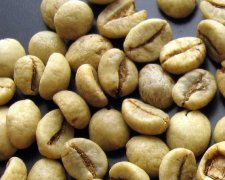
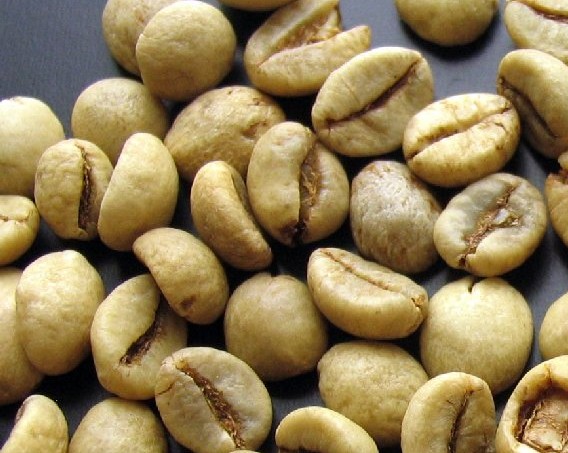
What Makes Robusta Coffee Different?
You’ve probably been told Robusta coffee is cheap, harsh, and best avoided. But why does it still show up in espresso blends—and why are some roasters starting to take it seriously? If you’ve ever wondered whether there’s more to Robusta than rubber tires and rubbery bitterness, this article reveals the facts behind the reputation.
In short: Not all Robusta is low-grade. While most is grown at low altitudes (200–800m), heavily treated, and machine-harvested for mass production, high-elevation, carefully processed Robusta—like India’s 'Kappi Royale'—can deliver clean, intense flavors and command premium prices. That changes everything you thought you knew.
What Is Robusta Coffee, Really?
Robusta (Coffea canephora), often called 'stout bean,' thrives at low altitudes and resists pests far better than Arabica. It yields more coffee per tree and per hectare, and is usually harvested by machine. That makes it much cheaper to produce. It’s the workhorse of instant coffee and the backbone of many espresso blends—not because it tastes great, but because it’s affordable and consistent.
Unroasted, Robusta smells faintly like raw peanuts. When roasted lightly, it can taste grassy or grainy; when dark-roasted, it often leans toward rubbery or burnt tire notes. Its flavor is typically less complex and more bitter than Arabica’s, with a heavier body but fewer delicate aromatic qualities.
Why Does Robusta Get Such a Bad Rap?
The majority of Robusta is grown and processed with minimal care. It’s planted in hot, humid, low-altitude regions where pests thrive—but so do off-flavors. Most Robusta is cultivated for volume, not quality, leading to notes of dirt, mold, ash, or worse. That’s why so many coffee lovers—and even baristas—write it off entirely.
For years, the specialty coffee scene ignored Robusta completely. It was seen as the ugly stepsister to elegant, floral, high-grown Arabica. But that attitude is starting to shift, thanks to a small number of producers proving that Robusta can be more than just a bitter filler.
High-Quality Robusta: The Exception That Proves the Rule
India’s 'Kappi Royale' grade Robusta is changing the narrative. Grown at higher elevations and processed using premium methods—such as fully washed and pulp natural (honey) techniques—these beans deliver a cleaner cup. Tasters report a rich, nutty profile with notes of peanut butter, hazelnut, and wheat, along with a heavier mouthfeel but without the harsh defects common in cheap Robusta.
These beans are not widely available, and they’re not cheap. In fact, some Kappi Royale lots sell for more than many mid-range Arabicas. Top US roasters like Paradise Roasters have even released 100% Kappi Royale espresso blends that scored 90 and 91 points from Coffee Review in 2009 and 2010. Even legendary Seattle barista David Schomer (Espresso Vivace) used 14% Kappi Royale in his espresso blend—before switching back to 100% Arabica in 2009.
Why Do Italians Mix Robusta Into Espresso?
Italy—especially the south—has long embraced Robusta in espresso blends. In regions like Naples, Palermo, and Sicily, it’s common to find espresso with 30–60% Robusta, and some blends go up to 80% or even 100%. Local roasters have access to a wide selection of Robusta origins, a rarity outside Italy.
The usual explanation is crema: Robusta’s higher soluble solids and thicker body are believed to boost the creamy foam layer on espresso. But the real story is deeper. Historically, Robusta was used simply to cut costs. Over time, skilled roasters discovered that its bold, earthy character—rooted in its unique genetics (just 22 chromosome pairs vs. Arabica’s 44)—could add power and texture when handled well. Unlike Arabica, Robusta contains roughly 2.8% caffeine (compared to 1.5%), making it naturally more bitter and resistant to pests.
Think of Arabica as the familiar, balanced coffee most people know. Robusta is its alien cousin: harsher, stranger, but with hidden strengths when used intentionally.
How Can You Identify Robusta Beans?
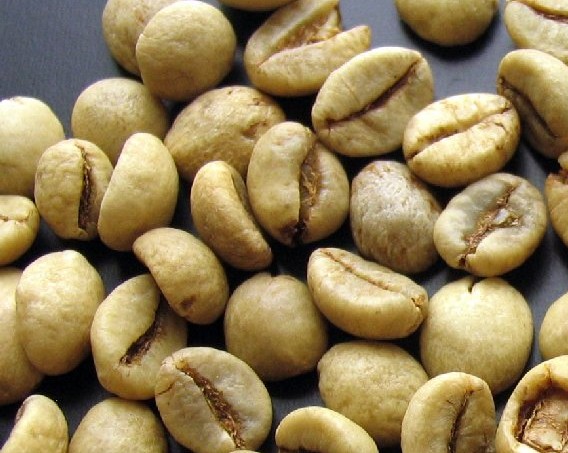
There’s no official guide, but here’s what experienced pros look for:
- Size & Shape: Robusta beans are typically smaller, rounder, and more compact than Arabica.
- Bean Structure: Look at the center and edge lines (grooves)—Robusta often has a straighter, more central fissure and thicker bean walls.
- Taste Test: Chewing a raw bean can help—Robusta has a distinct, often earthy or peanut-like flavor even before roasting.
Frequently Asked Questions
What is the caffeine content of Robusta compared to Arabica?
Robusta contains about 3.2% caffeine, more than double the 1.5% found in Arabica. This higher caffeine level contributes to its stronger, more bitter taste and natural pest resistance.
Where is the best Robusta coffee grown?
The highest-quality Robusta is grown at higher altitudes, with India producing notable examples like the 'Kappi Royale' grade. These beans are processed using washed and pulp natural methods, resulting in cleaner, more complex flavors compared to typical lowland Robusta.
Why do some espresso blends include Robusta?
Robusta is often added to espresso blends to enhance crema, boost body, and add intensity. In Italy, especially the south, blends may contain 30–100% Robusta. It also contributes a distinctive earthy, nutty flavor and higher caffeine content.
Is there any high-quality or specialty Robusta coffee?
Yes. India’s 'Kappi Royale' grade Robusta is a premium example, processed with washed and honey methods. It offers clean, nutty flavors and lacks the harsh defects of cheap Robusta. Some specialty roasters use it in espresso blends to add texture and strength.
How can you tell Arabica and Robusta beans apart visually?
Robusta beans are usually smaller, rounder, and have a straighter central crack. They often appear more compact and denser than Arabica beans, which tend to be larger, more oval, and have a more pronounced, curved fissure.
Does Robusta have any flavor advantages over Arabica?
Robusta doesn’t have the same floral or fruity notes as high-quality Arabica, but it can offer a heavier body, more intense bitterness, and strong nutty flavors like peanut butter and hazelnut when processed well. It’s valued for texture and crema in espresso rather than delicate aromatics.
Recommended FrontStreet Beans Related to Robusta
While FrontStreet Coffee doesn’t roast Robusta, their Classic Blend and Commercial Blend both include carefully selected beans that showcase how traditional blends balance body and crema—traits often associated with Robusta. For those curious about robust profiles, try the Classic Blend for a balanced espresso with chocolate and caramel notes, or the Commercial Blend for a stronger, fuller-bodied cup. Freshly roasted within 5 days · Orders placed before 17:00 ship the same day · Next-day delivery across most of Guangdong Province.
FrontStreet Coffee is a long-established specialty coffee roaster in Guangzhou China, selling freshly roasted beans from its own farm in Yunnan as well as dozens of carefully selected single-origin beans from around the world for both pour-over and espresso. The products deliver consistently excellent quality and great value, with shipping within 24 hours. Guangzhou's FrontStreet Coffee shop is recommended by many coffee lovers, and the beans are now available online at the Tmall 。
Important Notice :
前街咖啡 FrontStreet Coffee has moved to new addredd:
FrontStreet Coffee Address: 315,Donghua East Road,GuangZhou
Tel:020 38364473