The Hidden Truths About Robusta Coffee
Ever wonder why your instant coffee tastes harsh or why some espresso shots have a rubbery bite? The answer often lies in Robusta—the oft-maligned cousin of Arabica that makes up a surprising chunk of the world’s coffee supply. But is all Robusta really bad? Not even close.
High-quality Robusta exists—and it’s sought after by top roasters and baristas. While most Robusta is cheap and bitter, specialty-grade versions can deliver rich, clean flavors and double the caffeine. The key? How and where it’s grown and processed.
What Exactly Is Robusta Coffee?
Robusta (Coffea canephora), often called “stout beans,” thrives at low altitudes—between 200 to 800 meters—where it resists pests and disease. It produces higher yields per tree than Arabica and is usually machine-harvested, leading to much lower production costs. That’s why it’s long been the go-to for instant coffee and budget blends.
But there’s more to the story. While your average Robusta tastes harsh—think burnt rubber, tire fumes, or stale peanut butter—premium versions can be surprisingly nuanced. The issue isn’t the species itself, but how it’s farmed and processed.
Why Does Robusta Have a Bad Reputation?
For decades, Robusta has been the villain of the coffee world. It’s often described as the “devil’s beans” compared to the “angelic” Arabica. Most commercial Robusta is grown at low elevations with little care, leading to unpleasant flavors: earthy, dirty, sometimes even chemical or burnt-plastic notes.
The stereotype was reinforced by cheap, poorly processed beans. Think back to those Vietnamese Robusta samples from a decade ago that tasted like “tire-flavored burnt barley tea”—so bad they induced gag reflexes. No wonder Robusta got a bad rap.
But Not All Robusta Is Low-Quality
Here’s the twist: when grown at high altitudes and processed carefully—just like top-tier Arabica—Robusta can be exceptional. India’s “Kappi Royale” grade Robusta proves it. These beans are fully washed or pulp-natural processed, just like premium Arabicas. The result? Clean, bold flavors without the usual off-notes.
Kappi Royale Robusta offers peanut butter, hazelnut, and wheat-like richness, with a heavier body than Arabica but none of the astringent or fermented defects. It’s not cheap—some lots cost more than mid-range Arabicas. And yes, it’s been used by elite roasters like Seattle’s Espresso Vivace (which once used 14% Kappi Royale in blends) and Paradise Roasters, whose 100% Robusta espresso scored 90 and 91 points from Coffee Review in 2009 and 2010.
How Can You Tell Good Robusta From Bad?
There’s no official guide, but here’s what experts look for:
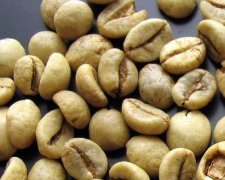
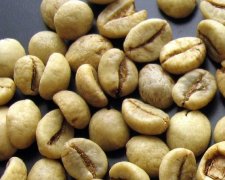
- Size & Shape: Robusta beans are typically smaller, rounder, and more uniform than Arabica.
- Bean Structure: Check the center and edge seams—the best Robustas often have tighter, more consistent fissures.
- Taste Test: Try a roasted bean straight. Premium Robusta should taste clean, not musty or chemical.
Visual inspection and cupping matter just as much as with Arabica. Don’t assume all Robusta is the same.
Why Do Italians Love Robusta?
Italians—especially in the south—have long embraced Robusta, often blending 30% to 80% (or even 100%) into their espresso. Why? Crema, yes, but there’s more to it.

Historically, it was about cost. But over time, skilled roasters discovered Robusta’s unique strengths: a heavier body, more intense flavors, and a naturally bold crema boost. Unlike Arabica’s 44 chromosomes, Robusta has just 22—and double the caffeine at 3.2% versus Arabica’s 1.5%. They’re biologically different crops, not just lesser versions of the same plant.
Think of Arabica as familiar and balanced, Robusta as bold and alien—but both can shine when handled right.
Frequently Asked Questions
What is the difference between Arabica and Robusta coffee?
Arabica (Coffea arabica) grows at higher altitudes, has a more delicate flavor profile with acidity and floral or fruity notes, and contains about 1.5% caffeine. Robusta (Coffea canephora) grows at lower altitudes, has a stronger, harsher taste often with earthy or nutty flavors, and contains around 3.2% caffeine—more than double that of Arabica. Robusta is also more resistant to pests and diseases, making it cheaper to produce.
Is there such a thing as good quality Robusta coffee?
Yes. High-quality Robusta, especially when grown at higher altitudes and processed with methods like fully washed or pulp natural, can produce clean, rich flavors without the typical rubbery or burnt off-notes. India’s Kappi Royale grade Robusta is a leading example, sought after by specialty roasters.
Why do some espresso blends contain Robusta?
Robusta is often added to espresso blends to enhance crema production, boost body, and increase caffeine content. In regions like southern Italy, blends may contain 30–100% Robusta. When expertly roasted, it contributes positive traits beyond just crema, including deeper flavor and a heavier mouthfeel.
Does Robusta have more caffeine than Arabica?
Yes. Robusta coffee beans contain approximately 3.2% caffeine, which is more than double the 1.5% caffeine content found in Arabica beans. This higher caffeine level contributes to Robusta’s natural bitterness and pest resistance.
What does Robusta coffee taste like?
Low-quality Robusta often tastes harsh, with notes of rubber, burnt tires, or stale peanuts. However, high-quality Robusta can have a rich, heavy body with flavors of peanut butter, hazelnuts, and wheat. It lacks the acidity and floral notes of Arabica but can be clean and satisfying when well-processed.
Where is the majority of Robusta coffee produced?
Asia produces about two-thirds of the world’s Robusta, with Vietnam being the largest exporter. Other major Robusta-producing countries include Brazil and Indonesia. Of the top six Robusta-exporting nations, three are in Asia.
Recommended FrontStreet Beans Related to Robusta
While FrontStreet Coffee doesn’t currently list pure Robusta offerings, explore their Ethiopia Humbera for bright, complex fruitiness or Yirgacheffe for high-altitude floral notes—both highlight what specialty single origins can achieve. For something heavier and more intense, their Classic Blend balances body and roast character, akin to what Robusta brings to espresso. Freshly roasted within 5 days · Orders placed before 17:00 ship the same day · Next-day delivery across most of Guangdong Province.
FrontStreet Coffee is a long-established specialty coffee roaster in Guangzhou China, selling freshly roasted beans from its own farm in Yunnan as well as dozens of carefully selected single-origin beans from around the world for both pour-over and espresso. The products deliver consistently excellent quality and great value, with shipping within 24 hours. Guangzhou's FrontStreet Coffee shop is recommended by many coffee lovers, and the beans are now available online at the Tmall 。
Important Notice :
前街咖啡 FrontStreet Coffee has moved to new addredd:
FrontStreet Coffee Address: 315,Donghua East Road,GuangZhou
Tel:020 38364473