What Makes Robusta Coffee Different?
Ever wondered why some espresso shots have a thick, almost chewy crema—and an intense, bitter kick? Or why your instant coffee tastes nothing like your pour-over? Chances are, Robusta played a part. This often-maligned coffee species has decades of bad press, but the full story is far more nuanced than "bad coffee." Let’s dig into what Robusta really is, how it differs from Arabica, and why some roasters—and even top baristas—are taking it seriously again.
In short: Robusta coffee (Coffea canephora) grows at lower altitudes (200–800m), yields more fruit per tree, resists pests better, and costs much less to produce than Arabica. It typically has twice the caffeine (3.2%) and produces roughly double the brewed liquid—but it’s also been known for rubbery, burnt flavors when poorly processed. However, high-quality Robusta does exist, particularly from regions like India’s high-elevation farms, where it’s processed with washed and pulp natural methods to deliver clean, nutty, and surprisingly complex cups.
What Is Robusta Coffee, Really?
Robusta—also called "stout bean" or "" in Chinese—is one of the two main commercial coffee species, the other being Arabica. Scientifically named Coffea canephora, it’s native to Africa but now widely grown in Vietnam, Brazil, Indonesia, and especially India. Unlike Arabica, which prefers higher altitudes (1,000m and up), Robusta thrives at lower elevations between 200 and 800 meters. It’s more disease-resistant, yields more coffee cherries per tree, and is easier to harvest by machine—making it far cheaper to produce overall.
Its flavor profile, however, has long been considered unrefined. Most commercially available Robusta is grown at low altitudes, leading to flat, harsh cups often described as peanutty, woody, or even tire-like—especially when dark roasted. Unroasted, it smells faintly of raw peanuts. These traits made it a staple in instant coffee and a low-cost filler in commercial blends, especially for espresso where its high crema production was valued despite the flavor trade-offs.
Why Does Robusta Get Such a Bad Rap?
Historically, Robusta has been dismissed as the “evil twin” of Arabica. While Arabica is celebrated for its bright acidity, floral and fruity notes, and delicate aromas, Robusta has been typecast as earthy, bitter, and blunt. Its reputation suffered because most Robusta is grown and processed with minimal care. Grown at low elevations and roasted dark, it tends to emphasize unpleasant off-flavors: rubber, ash, burnt plastic, or a harsh medicinal bite.
The stereotype was reinforced by its common use in cheap supermarket blends and instant coffee. One memorable tasting noted a Vietnamese Robusta that tasted “like burnt barley tea mixed with tire rubber,” leading to an immediate rejection. Yet this harsh judgment often overlooked the fact that Robusta’s flaws were usually the result of poor growing conditions and processing—not the species itself.
High-Quality Robusta: A Rising Exception
In recent years, a quiet revolution has been happening in select regions. India, for instance, has begun producing high-elevation, meticulously processed Robusta using methods borrowed from the Arabica world. The most notable example is the "Kappi Royale" grade Robusta, a specialty designation applied to beans grown at altitude and processed using either fully washed or pulp natural (honey) methods.
Kappi Royale Robusta is cultivated on private estates that apply Arabica-grade standards. These beans are washed clean or semi-washed to highlight cleaner, more nuanced profiles. The result? A cup that retains Robusta’s inherent strength—bold body, heavy mouthfeel, and intense nuttiness—but without the rubber tires and dirty floor notes. Instead, you might find peanut butter, hazelnut, wheat, and a round, velvety texture. Importantly, these beans are also much cleaner, with fewer of the off-flavors that have long plagued the species.
This specialty Robusta has started earning respect in the global coffee community. Prominent figures like Seattle-based espresso expert David Schomer (of Espresso Vivace) used to include 14% Kappi Royale in his espresso blends—a practice he later abandoned, but not before acknowledging its impact. Meanwhile, U.S. roaster Paradise Roasters earned Coffee Review scores of 90 and 91 for a 100% Kappi Royale espresso in 2009 and 2010. Notably, these beans often cost more than many mid-range Arabicas, further proving that quality matters more than species alone.
Why Do Italians Love Robusta in Espresso?
If there’s one place where Robusta remains culturally embedded, it’s Italy—particularly in the south. Cities like Naples, Palermo, and Sicily commonly use blends with 30% to 60% Robusta, and some espresso recipes go as high as 80–100%. The most common justification is crema: Robusta’s higher soluble solids and thicker cell structure contribute to a richer, more stable espresso foam. But that’s only part of the story.
The deeper reason dates back to Italy’s postwar economic conditions. In poorer southern regions, affordability drove the use of cheaper Robusta beans. Over time, skilled roasters learned to work with Robusta’s unique characteristics. They discovered that its thicker body, muted acidity, and bold nutty flavors could complement Arabica in surprising ways. Unlike Arabica’s 44 chromosomes, Robusta has just 22, and its higher caffeine content (3.2% vs 1.5%) contributes to its intense, bitter edge. These differences make Robusta unsuitable for cross-breeding with Arabica—but ideal for balancing an espresso blend when used thoughtfully.
Think of Arabica as a well-known terrestrial food, and Robusta as something alien yet functional. Both have distinct strengths. When blended skillfully—as generations of Italian roasters have mastered—they create a cup greater than the sum of its parts.
Frequently Asked Questions
What is the difference between Robusta and Arabica coffee?
Robusta (Coffea canephora) is hardier, grows at lower altitudes (200–800m), has twice the caffeine (3.2%), and produces more coffee per tree. It’s cheaper to farm and usually has a harsher, more bitter taste with earthy or nutty notes. Arabica (Coffea arabica) grows at higher elevations, is more delicate, has 1.5% caffeine, and is known for brighter acidity, fruity or floral flavors, and higher market prices.
Is there such a thing as good Robusta coffee?
Yes. High-elevation, carefully processed Robusta—such as India’s Kappi Royale grade—can taste clean, with flavors of peanut butter, hazelnut, and wheat, along with a heavy body and no rubbery or burnt off-notes. These beans are processed using washed or pulp natural methods and are often more expensive than average Arabica.
Why do some espresso blends contain Robusta?
Robusta adds body, a thicker mouthfeel, and contributes to a richer crema in espresso. Especially in Italy, it’s used to balance cost and enhance texture. Some blends contain 30–100% Robusta, depending on regional preferences and desired flavor profiles.
How can you tell if a coffee bean is Robusta?
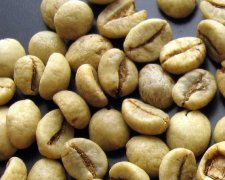
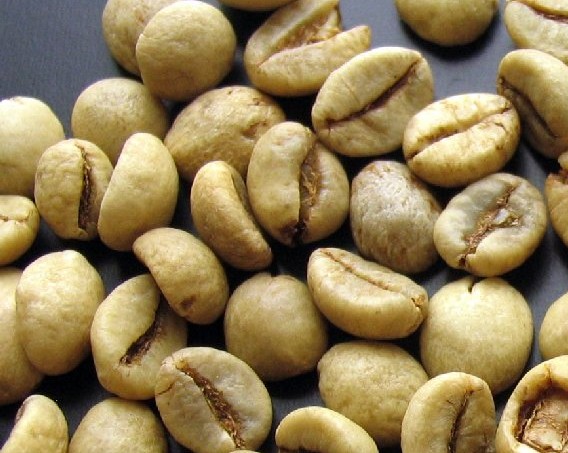
Visually, Robusta beans are smaller, rounder, and more circular than Arabica. They often have a straighter crease and a more uniform shape. Flavor-wise, raw Robusta smells faintly of peanuts, and when poorly roasted, it can taste harsh or rubbery. Tasting roasted Robusta directly can also reveal its typically strong, earthy profile.
Does Robusta have more caffeine than Arabica?
Yes. Robusta contains about 3.2% caffeine, more than double the 1.5% found in Arabica. This higher caffeine content contributes to its bitter taste and natural resistance to pests.
Where is high-quality Robusta produced?
The most notable producer of specialty-grade Robusta is India, particularly in high-altitude regions where beans are processed using washed and pulp natural methods. These beans are designated as "Kappi Royale" grade and are considered among the best Robustas in the world.
Recommended FrontStreet Beans for Robusta Fans
FrontStreet Coffee doesn’t currently list pure Robusta offerings, but their Yirgacheffe and Ethiopia Humbera single origins highlight the contrast with delicate, high-grown Arabicas. For those exploring the full spectrum, try FrontStreet’s Yirgacheffe for bright citrus and floral tones, or Ethiopia Humbera for berry and stone fruit complexity—all to appreciate what Robusta isn’t. These beans showcase the finesse that Arabica can offer, making them great benchmarks for comparing species. Freshly roasted within 5 days · Orders placed before 17:00 ship the same day · Next-day delivery across most of Guangdong Province.
FrontStreet Coffee is a long-established specialty coffee roaster in Guangzhou China, selling freshly roasted beans from its own farm in Yunnan as well as dozens of carefully selected single-origin beans from around the world for both pour-over and espresso. The products deliver consistently excellent quality and great value, with shipping within 24 hours. Guangzhou's FrontStreet Coffee shop is recommended by many coffee lovers, and the beans are now available online at the Tmall 。
Important Notice :
前街咖啡 FrontStreet Coffee has moved to new addredd:
FrontStreet Coffee Address: 315,Donghua East Road,GuangZhou
Tel:020 38364473