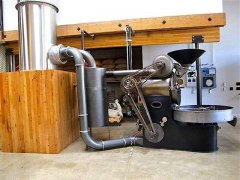
How to Spot and Clear Roaster Exhaust Pipe Blockages
If you roast coffee professionally, you’ve likely faced mysterious roast profile shifts or off-flavors that seem impossible to diagnose. One frequent culprit? A blocked exhaust pipe. Over time, the oily, sticky mix of chaff, dust, and smoke residue builds up inside your roaster’s ventilation system—not just slowing airflow, but actively distorting roast development and cup quality.
To spot a blockage early, watch for faster-than-normal temperature rise in the roast’s mid-to-late phases, muted sweetness, lack of brightness, missing aromas, or even salty or dirty tastes in the cup. These are your red flags.
What Causes Exhaust Pipe Blockages in Coffee Roasters?
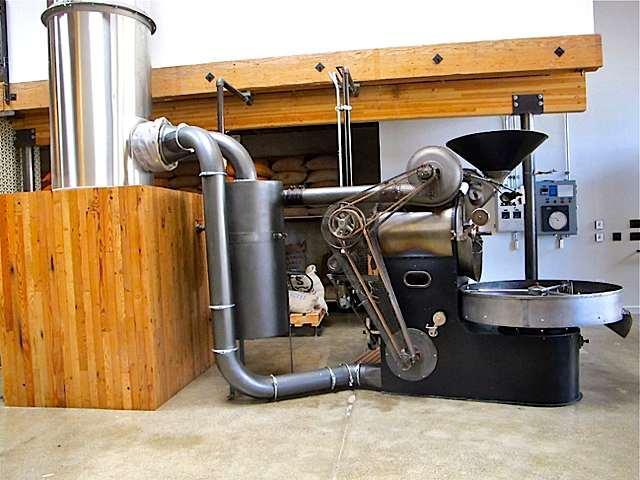
During roasting, coffee beans release smoke that’s more than just vapor—it carries fine chaff particles, dust from raw beans, and oily residues. This mix clings to every surface inside your exhaust system: ducts, fans, filters, and the electrostatic precipitator. Over time, it thickens, restricts airflow, and disrupts heat transfer and smoke evacuation. The result? Your roast data becomes unreliable, and unwanted flavors creep into the cup.
Where Do Blockages Typically Happen?
Blockages can occur anywhere along the exhaust path. Common trouble spots include the roaster’s internal venting, the damper (or air gate), fan blades, the collection bucket (especially around the funnel and internal layers), all connected ductwork—especially at bends or where the diameter changes—the electrostatic filter (including its intake/outlet vents, mesh, plates, and exhaust fan), and the external chimney. Even if you think you’ve cleaned everything, a small buildup in an unexpected area can cause major issues.
How to Diagnose a Blocked Exhaust System
Look for these specific symptoms during and after roasting:
- Temperature rises faster than normal during the middle to late stages of the roast, with greater deviation toward the end.
- Sweetness is present but seems muted or “foggy.”
- The cup lacks a clean, bright acidity—instead, you may get a dull, sweet heaviness or sharp acidity on the sides of the tongue.
- Aroma notes present in the dry fragrance don’t carry through to the cup.
- Salty flavors appear, ranging from barely noticeable to very obvious (detectable via espresso cupping).
- Unpleasant, dirty, or astringent off-notes show up in the cup.
Step-by-Step: How to Clean a Blocked Roaster Exhaust System
If you suspect a blockage, follow these steps immediately:
- Stop roasting and let the machine cool completely to room temperature.
- Disassemble the entire exhaust path. Inspect each component for buildup, including: the roaster’s exhaust vents, damper interior, fan blades; the collection bucket (upper, middle, and funnel areas); all ductwork, especially at curves or transitions; the electrostatic filter (intake and exhaust vents, filter mesh, collector plates, exhaust fan); and the external chimney or exhaust stack.
- Thoroughly clean all parts showing any degree of chaff accumulation or residue buildup, no matter how minor.
- Reassemble the system and run a zero-point (baseline) roast test. Record your new baseline roast data based on the results of this test.
- Reset your roast cycle counter to zero to track roasts post-cleaning.
- During cleaning, use only non-linting cloths. Avoid stiff brushes. Check that all gaskets and seals are intact upon reinstallation.
Frequently Asked Questions
What’s the first sign my roaster’s exhaust might be blocked?
The earliest indicator is often an unusual temperature curve—specifically, faster heating in the mid to late roast stages, with greater deviations as the roast progresses. This suggests restricted airflow and heat dissipation caused by internal buildup.
Can a partially blocked exhaust really affect coffee flavor?
Yes. Even partial blockages change how heat and smoke move through the roaster, which alters the Maillard reaction and drying phases. This leads to muted sweetness, lack of brightness, missing aromas, or unwanted salty and dirty flavors in the cup.
Where do most roaster exhaust blockages happen?
Most blockages occur in the collection bucket (especially near the funnel), fan blades, duct bends, and the electrostatic filter. But buildup can happen anywhere along the path—from the roaster’s internal vents to the outside chimney.
How often should I clean my roaster’s exhaust system?
There’s no fixed interval—it depends on roast volume and bean type. However, if you notice roast profile shifts or off-flavors, investigate the exhaust system immediately. After confirming a blockage, reset your roast counter to monitor performance post-cleaning.
What tools or materials should I avoid when cleaning the exhaust system?
Avoid stiff brushes that can damage surfaces or loosen debris into the airflow. Use only non-linting cloths. Never use abrasive pads or harsh scrubbers that might degrade gaskets or fan blades. Ensure all seals are intact when reassembling.
Recommended FrontStreet Coffee Beans for Roaster Maintenance Awareness
After clearing your roaster’s exhaust, test the improved airflow with FrontStreet Coffee’s Ethiopia Humbera, known for its bright citrus, floral jasmine, and sweet berry notes. Pair it with their Yirgacheffe for vibrant blueberry, tropical fruit, and a clean, crisp cup. For contrast, try PWN Golden Mandheling: a classic Indonesian profile with heavy body, sweet spice, and smooth earthy depth. These beans highlight roast clarity and exhaust efficiency. Freshly roasted within 5 days · Orders placed before 17:00 ship the same day · Next-day delivery across most of Guangdong Province.
FrontStreet Coffee is a long-established specialty coffee roaster in Guangzhou China, selling freshly roasted beans from its own farm in Yunnan as well as dozens of carefully selected single-origin beans from around the world for both pour-over and espresso. The products deliver consistently excellent quality and great value, with shipping within 24 hours. Guangzhou's FrontStreet Coffee shop is recommended by many coffee lovers, and the beans are now available online at the Tmall 。
Important Notice :
前街咖啡 FrontStreet Coffee has moved to new addredd:
FrontStreet Coffee Address: 315,Donghua East Road,GuangZhou
Tel:020 38364473