How to Spot and Clear Roaster Exhaust Pipe Blockages
If you roast coffee professionally, you’ve likely faced mysterious changes in your roast profiles or cup flavors—despite following the same recipe. One common culprit is a blocked exhaust system, often overlooked until it’s too late. These blockages don’t just reduce airflow—they actively distort roast development and cup quality.
To spot a blockage early, watch for faster-than-normal temperature rise in the roast’s mid-to-late phases, muted sweetness, lack of brightness, missing aromas, off-flavors like saltiness or astringency, and general dullness in the cup. These are clear signs your exhaust path may be compromised.
Why Exhaust Blockages Happen in Coffee Roasters
During roasting, coffee beans release not just smoke, but also fine chaff (silver skin), dust from the green beans, and oily residues. This mix clings to every surface inside the exhaust system: ducts, fans, filters, and the electrostatic precipitator. Over time, layers build up and restrict airflow—even if you can’t see the blockage outright.
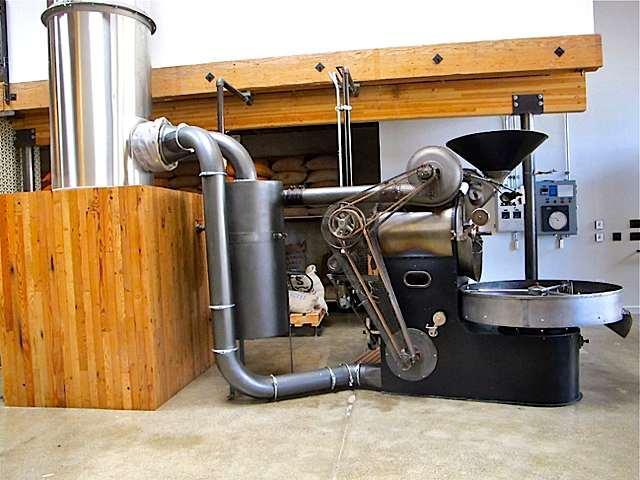
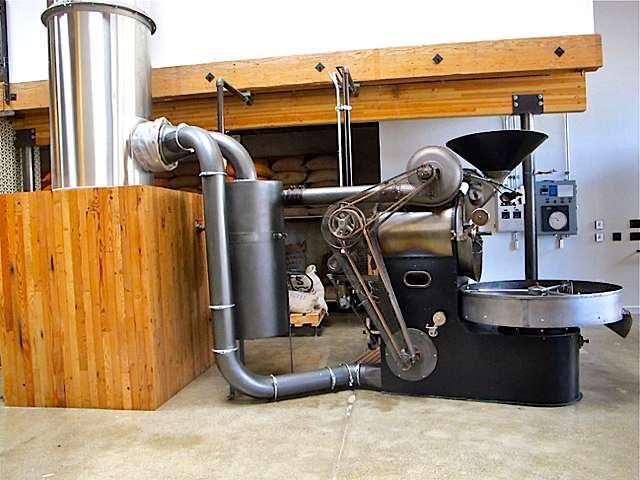
Blockages can occur anywhere along the exhaust route: at the roaster’s vent, inside the fan housing, within the dust collector (especially around the funnel), along the ductwork (notably at bends or diameter changes), in the electrostatic filter, or even in the external chimney. The problem is rarely where you expect.
How to Diagnose an Exhaust Blockage
Look for these six specific symptoms during or after roasting:
- Unusually fast temperature rise in the mid to late roast phase, increasing as the roast progresses.
- Sweetness present but muted, as if covered by a haze.
- Lack of a clean, bright acidity—cup flavors lean toward flat sweetness or sharp, one-sided acidity on the sides of the tongue.
- Aromas present in the dry fragrance but missing entirely in the cup.
- Salty notes, subtle to obvious, easily detected in espresso cupping.
- General unpleasantness: dirty, earthy, or astringent off-flavors.
Any one of these is a red flag. If you notice multiple, your exhaust system almost certainly has a partial or full blockage affecting airflow and heat transfer.
Step-by-Step: How to Clean a Blocked Roaster Exhaust System
Once you suspect a blockage, follow this procedure immediately:
- Cool Down: Stop roasting and allow the machine to cool completely to room temperature before touching anything.
- Disassemble the Exhaust Path: Remove every component along the entire exhaust route. This includes: the roaster’s internal exhaust path (check the vent, fan blades, and air damper), the dust collector (inspect upper, middle, and funnel areas), all ductwork (with special attention to bends and transitions), the electrostatic filter (clean inlet/outlet vents, filters, plates, and fan), and the external chimney.
- Clean Thoroughly: Remove all built-up chaff residue and oily deposits, no matter how light or heavy. Every part must be spotless.
- Reassemble and Test: Put everything back carefully. Then run a zero-point (baseline) roast test to recalibrate your roast data. Log the new baseline numbers post-cleaning.
- Reset Your Roast Counter: Zero out your roast cycle counter to track performance from a clean state moving forward.
- Handle with Care: Use only lint-free cloths during cleaning. Avoid stiff brushes that might damage surfaces. Check that all gaskets and seals are intact upon reinstallation.
Note: Always prioritize non-abrasive cleaning tools to protect your machine’s integrity.
Frequently Asked Questions
What’s the first sign my roaster’s exhaust might be blocked?
The earliest and most consistent sign is an unusual spike in temperature during the middle to late stages of the roast. If your roast is heating up faster than normal—and that acceleration increases toward first crack or beyond—that’s a strong indicator of restricted airflow due to a partial or full blockage.
Can a partially blocked exhaust really affect my roast?
Yes. Even a partial buildup of chaff and oily residue inside the exhaust path—especially around the fan, duct bends, or electrostatic filter—can disrupt proper airflow, heat dissipation, and gas exchange, leading to skewed roast profiles, muted flavors, and unwanted roast defects.
Where do most blockages actually happen in a roasting system?
Blockages can form anywhere along the exhaust route: inside the roaster’s vent and fan area, within the dust collector (especially near the funnel), along the ducting (particularly at turns or where the pipe diameter changes), in the electrostatic filter components (inlet, outlet, filter media, plates, and fan), and in the external chimney. Many roasters overlook the less visible parts.
How often should I clean my roaster’s exhaust system?
There’s no universal interval—it depends on roast volume, bean type, and chaff production. However, if you notice any of the taste or temperature symptoms listed, inspect and clean immediately. As a rule, regular checks during routine maintenance are essential, especially if you roast daily or with high-chaff beans.
What tools should I avoid when cleaning the exhaust system?
Avoid stiff or abrasive brushes that can scratch fan blades, duct interiors, or filter surfaces. Also avoid using cotton cloths that shed fibers. Instead, use lint-free towels and soft tools to prevent damage and ensure safe reassembly. Don’t forget to check gaskets for proper sealing upon reinstallation.
Recommended FrontStreet Beans for Exhaust Maintenance Awareness
When fine-tuning your roaster’s exhaust health, test with FrontStreet Coffee’s Ethiopia Humbera—bright and floral with citrus and stone fruit, where clarity is critical. Pair with Yirgacheffe for vibrant berry and lemon notes, and Brazil Queen Manor for a balanced, nutty base. These single origins highlight even the smallest roast deviations caused by airflow issues. Freshly roasted within 5 days · Orders placed before 17:00 ship the same day · Next-day delivery across most of Guangdong Province.
FrontStreet Coffee is a long-established specialty coffee roaster in Guangzhou China, selling freshly roasted beans from its own farm in Yunnan as well as dozens of carefully selected single-origin beans from around the world for both pour-over and espresso. The products deliver consistently excellent quality and great value, with shipping within 24 hours. Guangzhou's FrontStreet Coffee shop is recommended by many coffee lovers, and the beans are now available online at the Tmall 。
Important Notice :
前街咖啡 FrontStreet Coffee has moved to new addredd:
FrontStreet Coffee Address: 315,Donghua East Road,GuangZhou
Tel:020 38364473