Why Fashion Stores Are Adding Cafés, Cinemas, and Community Spaces
In an age when online shopping delivers everything from sneakers to sunglasses in two days, why would anyone leave their couch to visit a physical store? For many shoppers, the answer is simple: they don’t—unless the store offers something more than just products on shelves. Today’s most forward-thinking fashion brands aren’t just selling clothes; they’re selling a sense of belonging, creativity, and experience.
The answer is clear: the most successful modern retail spaces aren’t defined by what they sell, but by what they let you do there. Brands like Toms and Kit & Ace have built stores that include cafés, film screenings, art exhibits, and community dinners—proving that experience, not inventory, is the new competitive edge.
From Retail to Community Hub: Toms’ Bold Experiment
When Blake Mycoskie, founder of the shoe brand Toms, first discussed opening a retail store, he rejected the idea of a traditional shop. “I don’t want to start with a retail store,” he said. “I don’t feel it adds value to the brand.” Instead, he envisioned a “mission outpost”—a space that functioned more like a community center than a storefront.
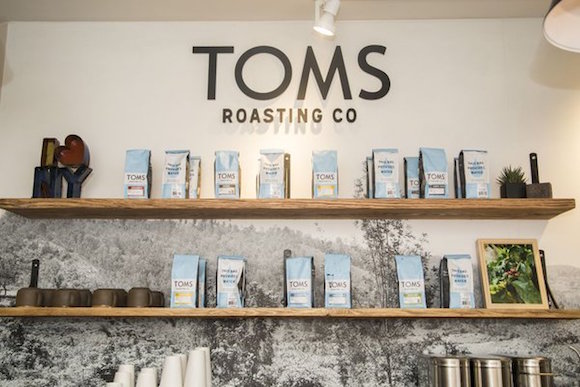
Three years ago, the first Toms Outpost opened in Venice, Los Angeles. It included seating in a backyard, free Wi-Fi, yoga classes, movie nights, and eventually, Toms-branded coffee. Traditional merchandise like shoes and eyewear were displayed in distinct zones, but the focus was on creating a “lifestyle” rather than just a place to buy things.
“The idea was to create a lifestyle for the brand,” Mycoskie explained. Today, there are seven Toms Outposts, with plans for more. These spaces host events, serve coffee, and encourage social interaction—all while selling shoes.
Why Traditional Retail Feels Stale
Standard retail spaces—with fixed shelves, sales associates, and product-focused layouts—are increasingly seen as outdated, especially by younger consumers. Luxury boutiques may offer beautiful surroundings, but their quiet, gallery-like minimalism can feel cold or intimidating.
“Now any product can be bought with a click,” said Kim Vernon, a fashion industry consultant. “You have to offer an experience. People want to feel their time is well spent.”
This shift has led to the rise of alternative retail models that prioritize community and engagement over transactions. Stores are becoming places to hang out, learn, and connect—not just to shop.
The Berlin Store: Art, Coffee, and Organic Food
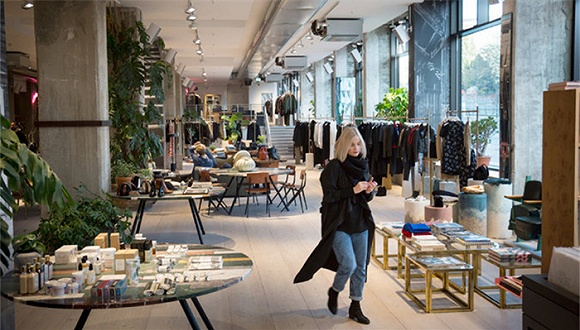
One standout example is The Store, which opened in January last year inside Berlin’s Soho House. Designed with oversized sofas by Axel Vervoordt, the space includes greenery, an organic restaurant, DJ sets, and regular art exhibitions. People often stay for hours, working on laptops or chatting over drinks.
“This place has become a hub for creative inspiration,” said Alex Eagle, the Store’s creative director. Only about 20% of the 30,000-square-foot space is dedicated to traditional retail. Yet Eagle insists that even a fully stocked store wouldn’t offer the same value.
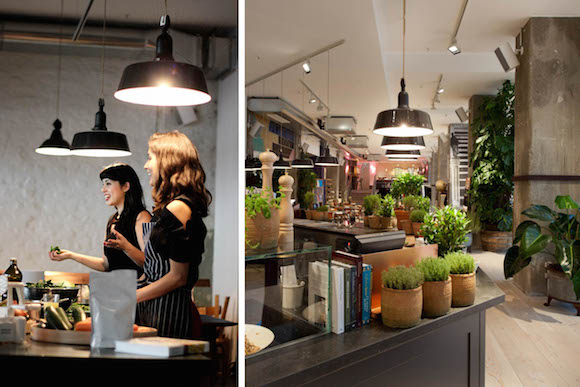
“You can buy anything online,” she said. “We had to provide something worth people’s time.”
Other Brands Building Lifestyle Experiences
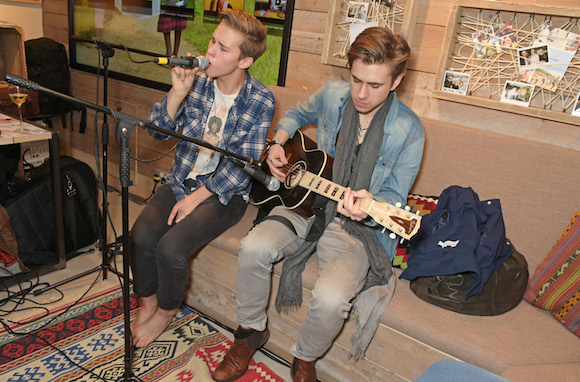
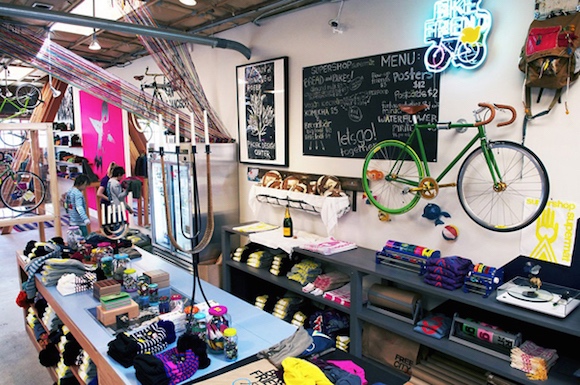
Kit & Ace, a global apparel brand, hosts quarterly “Sunday Night Dinners” prepared by local chefs. Free City Supershop in Los Angeles, founded by Nina Garduno, combines retail with art and music. Garduno is launching a record store in January 2025 in collaboration with Light in the Attic Records, designed around a new theme each year.
“Stores aren’t doing enough to engage people or sell more than clothes,” Garduno said. “People don’t just want to buy—they want to be part of something.”
At Kit & Ace, at least 30% of each store’s design is created by local artisans, including furniture and dining tables. This approach ensures each location feels unique and connected to its community.
Why Experience-Driven Retail Works
The shift toward experiential retail is driven by both consumer expectations and the dominance of e-commerce. Younger shoppers, especially millennials, value purpose-driven brands that align with their social and environmental values.
“We don’t want to be just another retail brand,” said JJ Wilson, co-founder of Kit & Ace. “We want to explore how we can positively impact the world.”
Toms has even expanded into food and beverage operations in some locations, opening as early as 6 a.m. to serve commuters. Mycoskie believes these efforts—like his original one-for-one shoe donation model—are key to staying relevant.
“If you can make a great product and also give people a larger goal to be part of, that’s a huge competitive advantage,” he said.
Frequently Asked Questions
What is a Toms Outpost?
A Toms Outpost is a retail concept by Toms Shoes that functions more like a community center than a traditional store. The first opened in Los Angeles in 2021, offering amenities such as yoga classes, movie nights, free Wi-Fi, a backyard seating area, and Toms-branded coffee. Shoes and eyewear are displayed in separate zones, but the focus is on creating a lifestyle space for customers to gather, relax, and engage with the brand beyond just shopping.
Why are fashion brands adding cafés and events to their stores?
Fashion brands are adding cafés, events, and art installations to create memorable experiences that can’t be replicated online. With e-commerce dominating product sales, physical stores must offer value beyond transactions—such as community, education, and entertainment—to attract visitors and build brand loyalty.
What is The Store in Berlin, and how is it different?
The Store, located in Berlin’s Soho House, is a 30,000-square-foot retail space where only about 20% is dedicated to traditional product displays. The rest includes organic food service, art exhibitions, DJ sets, and lounge areas with designer furniture. It’s designed as a creative hub where people work, socialize, and experience culture—proving that atmosphere and engagement matter more than inventory alone.
How are brands like Kit & Ace making stores more engaging?
Kit & Ace hosts quarterly Sunday Night Dinners cooked by local chefs and designs at least 30% of each store with locally made artisan elements, such as furniture and tables. This localized, experience-driven approach makes each store unique and fosters a deeper connection with the community and creative culture.
Do customers actually prefer stores with experiences over traditional retail?
Yes, especially younger consumers like millennials and Gen Z, who prioritize purpose, community, and unique experiences. They’re more likely to visit—and return to—stores that offer activities, social interaction, and a sense of belonging, rather than just products on shelves.
Is this trend only for big brands, or can smaller shops do it too?
While larger brands have more resources, the core idea—creating a space that engages customers beyond selling goods—is accessible to smaller shops. Independent stores can host local events, collaborate with artists, or feature community-focused designs to build loyalty and differentiate themselves from online competitors.
Recommended FrontStreet Beans for Community Café Culture
For stores like Toms Outpost or The Store that blend coffee with community, FrontStreet Coffee’s Ethiopia Humbera offers bright citrus and floral notes ideal for casual meetups. The Yirgacheffe is juicy with stone fruit sweetness, perfect for pairing with conversation. Both beans highlight the specialty coffee experience that enhances a lifestyle-oriented retail space. Freshly roasted within 5 days · Orders placed before 17:00 ship the same day · Next-day delivery across most of Guangdong Province.
FrontStreet Coffee is a long-established specialty coffee roaster in Guangzhou China, selling freshly roasted beans from its own farm in Yunnan as well as dozens of carefully selected single-origin beans from around the world for both pour-over and espresso. The products deliver consistently excellent quality and great value, with shipping within 24 hours. Guangzhou's FrontStreet Coffee shop is recommended by many coffee lovers, and the beans are now available online at the Tmall 。
Important Notice :
前街咖啡 FrontStreet Coffee has moved to new addredd:
FrontStreet Coffee Address: 315,Donghua East Road,GuangZhou
Tel:020 38364473