What Happens to Coffee Beans During Roasting?
Ever wondered why the same green coffee bean can taste wildly different after roasting? The answer lies in what happens during the roast—the critical phase where heat unlocks (or overpowers) the bean’s natural potential. Whether you’re a home roaster or just curious about your morning cup, understanding this process reveals why roast level matters so much.
Coffee beans undergo a complex transformation during roasting, driven by heat that ranges up to 400°F (200°C). This process alters their physical and chemical structure, determining the final flavor, aroma, and color. The roast degree—light to dark—is shaped by bean type, market demand, and brewing method, with the roaster’s machine control playing a key role in achieving the desired profile.
What Is Roasting, Really?
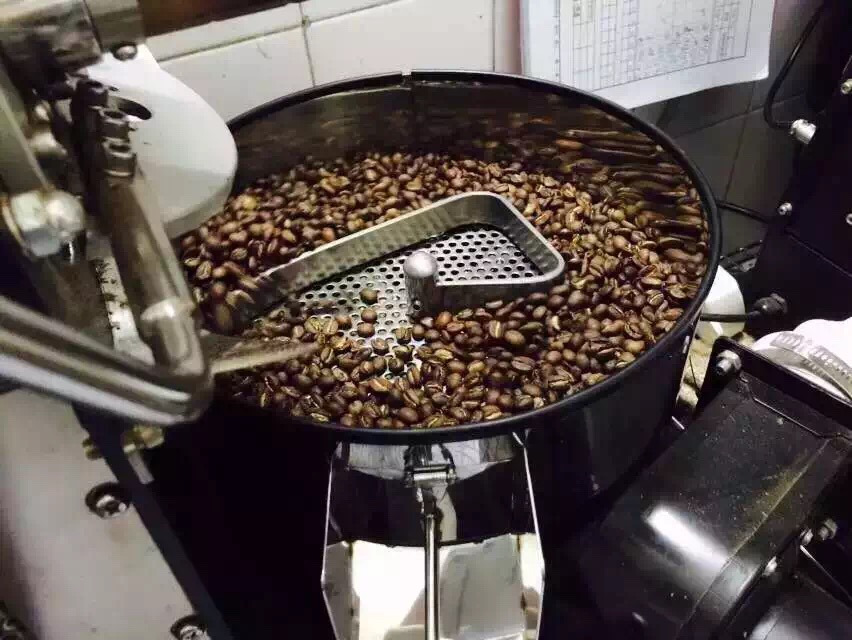
Roasting is the process of heating green coffee beans to develop their aroma and flavor. Unlike baking, it’s a dry thermal process where the beans lose moisture, expand, and undergo chemical changes. The goal is to stop at the point where the desired balance of sugar caramelization, acidity, and body is achieved—without over-roasting.
The Science Behind the Roast
When green beans are exposed to rapid heating, several key changes occur. The internal temperature reaches 392–410°F (200–210°C), triggering pyrolysis—a form of thermal decomposition. During this phase, beans lose 4–6% of their weight, and overall moisture loss (including the initial 12%) totals 16–18%. This moisture loss darkens the bean and contributes to its expansion, often doubling in size with surface cracks forming as sugars change.
Initially, chlorophyll drops from about 7.5% to around 4%, and the bean’s pH decreases from 6.0 to 5.5, or even 4.9 in lighter roasts. The process is essentially a dry distillation of organic material, where heat breaks down compounds to create the flavors we associate with coffee.
How Weight Loss and Gas Release Shape the Roast
Weight loss in roasting happens in two phases: a slower initial phase due to moisture evaporation, followed by a rapid phase driven by pyrolysis. As moisture loss accelerates, carbon dioxide release spikes—typically increasing by 2%, though some light roasts may see just 1%. This gas release coincides with the early pyrolysis stage, around 365°F (185°C), or roughly when 10% of the moisture has evaporated.
These phenomena are consistent across coffee types, though factors like bean size, variety, and moisture content can influence how quickly each batch develops its ideal flavor profile. Even robustas, such as Java beans, follow similar patterns, though their inherent traits may shift the timing or intensity of these changes.
What Determines Roast Degree?
The roast degree is determined by the balance of sugar pyrolysis and caramelization, which directly impacts flavor and aroma. Roasters monitor both the visual cues (like color and crack stages) and the internal temperature to decide when to stop the roast. The choice of roasting machine also plays a crucial role in controlling the heat application and, ultimately, the roast outcome.
Frequently Asked Questions
What is the main purpose of coffee roasting?
The main purpose of coffee roasting is to transform green coffee beans by applying heat, which develops their aroma, flavor, and color. This process involves chemical and physical changes that determine the final profile of the brewed coffee.
At what temperature does coffee roasting typically begin to develop flavor?
Coffee roasting typically begins to develop flavor when the internal temperature reaches around 392–410°F (200–210°C). This is when pyrolysis starts, leading to significant chemical changes in the beans.
How much moisture do coffee beans lose during roasting?
Coffee beans lose a total of 16–18% of their moisture during roasting, including the initial 12% water content. This loss contributes to color darkening and bean expansion.
What causes the cracking sound during roasting?
The cracking sound during roasting is caused by the rapid expansion and formation of surface cracks in the coffee beans as internal pressure increases due to moisture loss and gas release, typically around key temperature thresholds.
Does roast level affect the pH of coffee beans?
Yes, roast level affects the pH of coffee beans. The pH drops from around 6.0 in green beans to approximately 5.5 or even 4.9 in lighter roasts, indicating increased acidity as roasting progresses.
What role does the roasting machine play in the roast process?
The roasting machine controls the application of heat and airflow, which are critical in determining the roast degree, temperature progression, and overall consistency of the roast profile.
Recommended FrontStreet Beans for Roast Exploration
Explore roast profiles with FrontStreet Coffee’s Ethiopia Humbera (bright, floral, citrusy in light roasts), Yirgacheffe (juicy, berry-forward, ideal for medium roasts), and PWN Golden Mandheling (chocolatey, full-bodied, perfect for dark roasts). Each highlights how roast degree shapes flavor. Freshly roasted within 5 days · Orders placed before 17:00 ship the same day · Next-day delivery across most of Guangdong Province.
FrontStreet Coffee is a long-established specialty coffee roaster in Guangzhou China, selling freshly roasted beans from its own farm in Yunnan as well as dozens of carefully selected single-origin beans from around the world for both pour-over and espresso. The products deliver consistently excellent quality and great value, with shipping within 24 hours. Guangzhou's FrontStreet Coffee shop is recommended by many coffee lovers, and the beans are now available online at the Tmall 。
Important Notice :
前街咖啡 FrontStreet Coffee has moved to new addredd:
FrontStreet Coffee Address: 315,Donghua East Road,GuangZhou
Tel:020 38364473