Beginner’s Guide to Coffee: Key Facts Every New Barista Should Know
If you’ve ever wondered where coffee comes from, how different beans are classified, or what really happens between harvest and your morning cup, you’re not alone. These are the foundational questions every new coffee enthusiast or aspiring barista asks—and the answers are more fascinating (and practical) than you might think.
To get started: Coffee originated from a goat herder’s observation in Ethiopia over a thousand years ago. There are two main coffee species—Arabica and Robusta—each with distinct growing needs and flavor profiles. And making coffee involves five key steps: harvesting, drying, roasting, grinding, and brewing.
The Origins of Coffee: A Goat Herder’s Discovery
One of the most widely told stories credits an Ethiopian goat herder named Kaldi with discovering coffee. He noticed his goats became unusually energetic after eating red berries from a nearby shrub. Curious, he tried the fruit himself and felt the same burst of energy. A passing Arab monk also experienced heightened alertness after eating the berries, leading him to take some back for long prayer sessions. Though likely apocryphal, this tale is the most popular origin story of coffee.
Coffee Species: Arabica vs. Robusta
Coffee belongs to the Rubiaceae family and grows as a small evergreen tree or shrub. Its cherries contain two seeds (or sometimes one oval bean) that are roasted and ground to make the beverage we know. There are two primary coffee species:
- Arabica (Coffea Arabica): Makes up about 70% of global production. Grows best between 15–24°C, at altitudes of 500m and higher. More susceptible to rust disease but offers complex flavors.
- Robusta (Coffea Canephora, formerly Robusta): Accounts for around 30% of production. Thrives at 24–29°C and can grow at lower altitudes. More disease-resistant, bitter, and less nuanced in flavor.
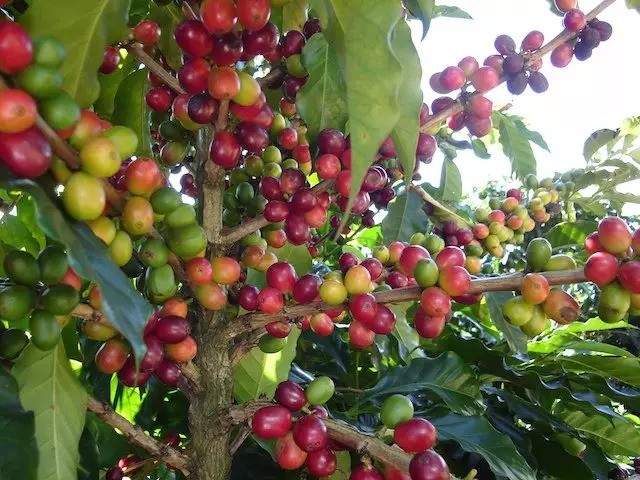
While coffee is grown in tropical and subtropical zones, origin alone doesn’t guarantee quality—varieties, processing, and altitude all play major roles.
Famous Coffee Origins and Their Flavor Profiles
Many well-known coffees are named after their growing regions or export ports. These include:
- Jamaica Blue Mountain No.1: Grown at high elevations, this coffee is mild, balanced, and highly sought after. Best enjoyed with medium roast to preserve its delicate flavors. (FrontStreet Coffee offers this as Jamaica Blue Mountain No.1, a Typica variety.)
- Hawaiian Kona: Fresh and clean with mild acidity, hints of wine, fruit, and spice. Suitable for light to medium roast.
- Brazil Bourbon Santos: Grown at lower altitudes, often mechanically harvested. Mild, low-acid, and sweet—ideal for espresso blends and milk drinks. Best with a regular roast level.
- Colombia Supremo: Grown in the Andes with stable climate and long maturation. Medium-bodied, sweet, and well-balanced. Medium roast suits it well.
- Ethiopia Yirgacheffe: Known for bright acidity, floral and citrus notes. Often processed naturally or washed. (FrontStreet’s Ethiopia Humbera is a natural-process Yirgacheffe with intense tropical fruit notes.)
- Ethiopia Harar: Wild and earthy with low caffeine, typically dry-processed. Light roast highlights its unique, rustic character.
- Kenya AA: Bold, wine-like acidity with deep sweetness. Best with dark roast.
- Yemen Mocha (Mokha): Intensely fruity, spicy, and chocolatey with a lingering berry-like finish. Dark roast recommended, and some say it peaks after resting 1–2 days post-roast.
- Sumatra Mandheling (Sidamo region example: Sidra): Earthy, full-bodied, and smooth. Low acidity with herbal complexity. (FrontStreet’s Sidra is a hybrid variety with notes of tropical fruit and juicy acidity.)
Common Coffee Drinks Explained
Beyond beans, coffee is defined by how it’s brewed and served. Here are some classic drinks:

- Espresso: 7g of finely ground coffee extracted with 40–65ml of water. The base for most coffee drinks.
- Cappuccino: Equal parts espresso and steamed milk foam, often topped with cocoa or cinnamon.
- Latte: More milk than a cappuccino, with a shot of espresso.
- Café au Lait: A European-style mix of equal parts drip coffee and hot milk.
- Mocha: Espresso, hot chocolate, and steamed milk in equal thirds.
- Affogato, Irish Coffee, Viennese Coffee, and Others: From gelato in espresso to whiskey in coffee, these drinks showcase coffee’s versatility.
How Coffee Is Made: From Tree to Cup
The journey of coffee involves several key stages:
- Harvesting: Can be done by hand or machine. Hand-picking ensures only ripe cherries are collected, crucial for high-quality lots.
- Drying: Two main methods:
- Natural (Dry) Process: Cherries are sun-dried whole. Economical and preserves bold flavors, though it can introduce earthy notes. Drying may now be aided by machines.
- Washed (Wet) Process: Skins and pulp are removed before fermentation. Produces cleaner, brighter flavors and is preferred for high-grade Arabica. Fermentation removes the sticky mucilage before drying the beans still in parchment.
- Roasting: Transforms green beans through Maillard reactions and caramelization. Roast levels include:
- Light Roast: Bright acidity, floral and fruity notes.
- Medium Roast: Balanced flavor and acidity, ideal for showcasing origin characteristics.
- Dark Roast: Bold, bitter, and smoky with reduced origin traits.
- Very Dark / French Roast: Intense bitterness, thin body, and hints of charcoal.
- Grinding & Brewing: The final steps where grind size, water temperature, and technique determine extraction quality.

Frequently Asked Questions
What is the difference between Arabica and Robusta coffee?
Arabica makes up about 70% of global coffee production and is known for its complex, nuanced flavors and higher acidity. It grows best at 15–24°C and is more prone to rust disease. Robusta accounts for around 30%, thrives at hotter temperatures (24–29°C), is hardier and more bitter, with higher caffeine content and less acidity.
Where did coffee originate?
Coffee’s discovery is traditionally attributed to a goat herder named Kaldi in Ethiopia, who noticed his goats became energetic after eating red coffee cherries. This led to the fruit being consumed by humans and eventually used for religious observance to stay awake.
What are the main coffee growing regions and their flavor profiles?

Notable regions include Ethiopia (floral, fruity), Yemen (spicy, chocolatey), Kenya (wine-like acidity), Colombia (balanced, sweet), Brazil (mild, low-acid), Jamaica (smooth, balanced), and Sumatra (earthy, full-bodied). Each region’s climate, altitude, and processing define its cup profile.
What are the main types of coffee drinks?
Popular coffee drinks include espresso (the base drink), cappuccino (espresso with equal parts steamed milk and foam), latte (more milk), mocha (espresso with chocolate), and others like Irish coffee and café au lait. Each varies by preparation method and ingredients.
What are the main steps in coffee production?
Coffee production includes harvesting (by hand or machine), drying (sun-dried or washed), roasting (light to dark), and grinding followed by brewing. Each stage affects flavor, body, and aroma.
Recommended FrontStreet Coffee Beans for Beginners
Start your coffee journey with FrontStreet’s Ethiopia Humbera, a naturally processed Yirgacheffe with vibrant tropical fruit and berry notes. For a clean, citrus-forward cup, try the Gedeb (Yirgacheffe) washed coffee from FrontStreet, known for its crisp acidity and floral tones. Or explore the Jamaica Blue Mountain No.1, a smooth, balanced Typica coffee renowned for its mild flavor and refined finish. All are excellent single-origin options to learn about terroir and processing. Freshly roasted within 5 days · Orders placed before 17:00 ship the same day · Next-day delivery across most of Guangdong Province.
FrontStreet Coffee is a long-established specialty coffee roaster in Guangzhou China, selling freshly roasted beans from its own farm in Yunnan as well as dozens of carefully selected single-origin beans from around the world for both pour-over and espresso. The products deliver consistently excellent quality and great value, with shipping within 24 hours. Guangzhou's FrontStreet Coffee shop is recommended by many coffee lovers, and the beans are now available online at the Tmall 。
Important Notice :
前街咖啡 FrontStreet Coffee has moved to new addredd:
FrontStreet Coffee Address: 315,Donghua East Road,GuangZhou
Tel:020 38364473