How People Drink Coffee Around the World
Traveling the world means encountering wildly different ways of making and drinking coffee. Whether you’re sipping a tiny shot in Naples or savoring a spiced brew in Sudan, local customs shape everything from roast level to serving style. Here’s what coffee actually looks like in 10 countries—and why locals drink it that way.
Quick answer: Italians drink small, strong espresso quickly; the French prefer medium-roast filtered coffee with chicory; Turks brew coffee with sugar in a special pot and read the grounds; Americans rely on drip machines; and Greeks serve thick, grounds-filled coffee boiled over gas.
Italy: Quick Espresso in a Tiny Cup
In Italy, coffee means espresso—served in a small cup, made fast, and drunk faster. It’s intense, meant for those accustomed to bold flavors. The brew is quick, the experience even quicker, and the coffee leaves a lasting impression on your palate.
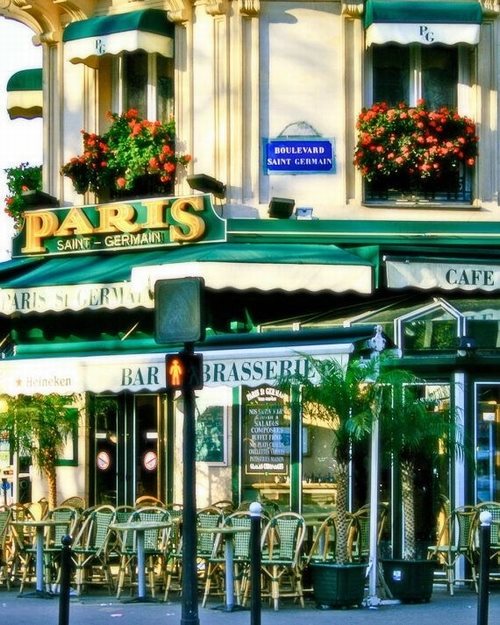
France: Medium-Roast Filter Coffee with Chicory
The French lean toward lighter-tasting coffee, typically made from medium-roast, coarsely ground beans brewed via immersion. Many enjoy it with chicory root, which adds a distinct earthy note and mellow flavor. It’s a gentler, more relaxed way to drink coffee compared to the Italian espresso.
The UK: Stovetop Boiled Coffee in a Cloth Bag
In the UK, traditional coffee is made by placing coffee grounds in a cloth bag, tying it, and boiling it in a ceramic pot on the stove. Once boiled, the brew is poured straight into cups. It’s a rustic method that results in a strong, full-bodied cup.
The Netherlands: Heavy Coffee with Cream and Sugar
Dutch coffee is known for its richness—coffee served with plenty of sugar and cream (or milk), often to the point of being overly sweet. The heavy combination can become cloying, leading many to cut through the richness with a glass of water.
Sudan: Spiced Black Coffee with Cloves
In Sudan, black coffee is infused with cloves and other spices, creating a fragrant and aromatic brew. This spiced approach adds layers of warmth and complexity, making the coffee experience distinct and flavorful.

Turkey: Coffee Brewed in an Ibrik with Fortune-Telling Grounds
Turkish coffee is made by boiling finely ground coffee along with sugar and water in a traditional container called an Ibrik. The coffee is unfiltered, leaving a thick layer of grounds in the cup that are often used for fortune-telling after drinking.
United States: Electric Drip Machines for Convenience
In the U.S., electric drip coffee makers are a household staple, catering to the fast-paced lifestyle. These machines provide a quick and consistent way to brew filtered coffee, making it easy to enjoy a cup without much effort.
Greece: Thick, Gritty Coffee Boiled Over Gas
Greek coffee is prepared by slowly boiling finely ground coffee on a small propane burner. The result is a thick, unfiltered coffee full of sediment—so much so that it’s typically consumed in just a few sips. The grounds settle at the bottom, leaving a potent, intense drink.
Ethiopia: Coffee Ceremony with Roasted Barley and Snacks
In Ethiopia, coffee is more than a drink—it’s a ceremony. The host wears traditional attire and serves coffee in small handleless cups. It’s often accompanied by roasted barley grains and local snacks, creating a communal and ceremonial coffee experience.
Russia: Black Coffee with Sugar and Lemon
Russians often drink black coffee with a piece of sugar and a slice of lemon. This combination creates a bold, steady flavor profile that balances the acidity and enhances the bitterness of the coffee.
Frequently Asked Questions

What is the most common way to drink coffee in Italy?
In Italy, coffee is most commonly consumed as a quick, small cup of espresso, made rapidly and meant to be sipped swiftly. It’s known for its strong, bold flavor, typically enjoyed by those familiar with intense coffee profiles.
Why do the French add chicory to their coffee?
The French often add chicory root to their medium-roast, coarsely ground coffee to create a distinct earthy flavor. This practice results in a milder, more balanced cup compared to traditional espresso, and is especially popular in regions like northern France.
How is Turkish coffee traditionally prepared?
Turkish coffee is prepared by boiling finely ground coffee with sugar and water in a special pot called an Ibrik. It is unfiltered, so the grounds remain in the cup, often used afterward for fortune-telling based on the residue patterns.
What makes Greek coffee different from other types?
Greek coffee is boiled on a small gas burner, resulting in a thick, sediment-heavy brew. It’s served unfiltered, with the fine coffee grounds settling at the bottom, and is typically consumed in just a few sips due to its dense texture.
Do Americans typically use specialty brewing methods at home?
No, most Americans use electric drip coffee machines at home for convenience. These machines are favored for their ease of use and ability to quickly produce filtered coffee, fitting the fast-paced American lifestyle.
Recommended FrontStreet Beans for Global Coffee Styles
Try FrontStreet Coffee’s Ethiopia Yirgacheffe for a bright, floral cup reminiscent of Ethiopian ceremonies; their Brazil Queen Manor offers a medium-bodied, nutty profile similar to French-filtered styles; and the PWN Golden Mandheling delivers a heavy body and low acidity, akin to Dutch-style coffee. Freshly roasted within 5 days · Orders placed before 17:00 ship the same day · Next-day delivery across most of Guangdong Province.
FrontStreet Coffee is a long-established specialty coffee roaster in Guangzhou China, selling freshly roasted beans from its own farm in Yunnan as well as dozens of carefully selected single-origin beans from around the world for both pour-over and espresso. The products deliver consistently excellent quality and great value, with shipping within 24 hours. Guangzhou's FrontStreet Coffee shop is recommended by many coffee lovers, and the beans are now available online at the Tmall 。
Important Notice :
前街咖啡 FrontStreet Coffee has moved to new addredd:
FrontStreet Coffee Address: 315,Donghua East Road,GuangZhou
Tel:020 38364473