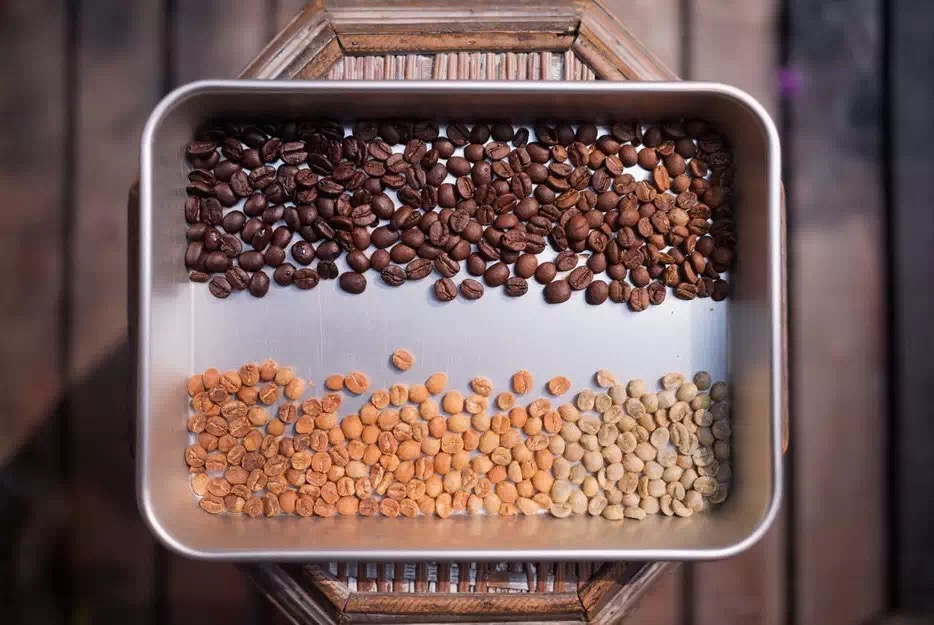
Which Coffee Processing Method Fits Which Bean?
Ever wondered why some coffees taste clean and bright while others are heavy and fruity? The secret often lies not in the bean itself, but in how it was processed after harvest. The method used to remove the coffee cherry’s pulp and dry the bean has a huge impact on the final cup profile, quality stability, and even market value. Whether you’re a roaster sourcing beans or a coffee enthusiast curious about origins, knowing which process fits which bean unlocks better purchasing and brewing decisions.
In short: high-quality Arabica beans are usually processed via the washed (wet) method, which involves removing the fruit before drying. Lower-grade or hardier beans like some Robusta or Ethiopian naturals are often processed using the natural (dry) method, where the bean dries inside the whole cherry. Each method affects flavor, consistency, and cost.
What Are the Main Coffee Processing Methods?
There are two primary methods for preparing coffee beans for roasting: the dry (natural) process and the wet (washed) process. The dry method is the simplest and cheapest, typically used for lower-grade beans, especially in regions like Brazil and Ethiopia. The wet method is more expensive and labor-intensive but results in cleaner, more consistent flavors—common for most specialty Arabica coffees. In Indonesia, some Robusta beans are wet-processed, but it’s not common.
How Does the Wet (Washed) Process Work?
The wet process requires more investment and effort but helps protect coffee quality. The key difference: in wet processing, the coffee fruit’s outer skin and pulp are removed within hours of harvest—not left to dry with the bean, as in the dry method.
Here’s how it works, step by step:
- Pulp Removal (Depulping): Within 12 hours (ideally) and no later than 24 hours after harvest, coffee cherries go through a depulper—a machine with fixed and moving parts or rotating bars—that crushes the fruit and separates the beans from the pulp. Speed is essential to avoid incomplete separation and bean damage.
- Fermentation & Mucilage Removal: After depulping, beans are fermented in tanks for 12–36 hours. Fermentation uses natural enzymes to break down the sticky mucilage layer around the parchment. Time depends on temperature, mucilage thickness, and microbial activity. Once done, the beans feel rough like pebbles, not slippery.
- Washing: The beans are rinsed to remove remaining mucilage and pulp. Washing channels are often designed to sort beans by density—denser, higher-quality beans sink faster. Some farms use an Aagaard separator, a Norwegian-designed system where beans are filtered through water, with heavier beans sinking first.
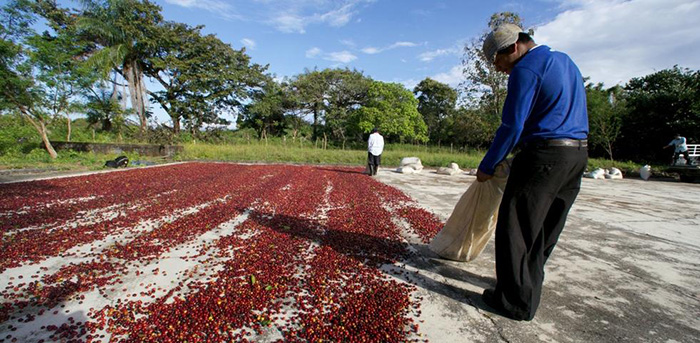
- Drying (to 11% moisture): Beans still in their parchment (inner husk) are dried to a safe 11% moisture level. They’re spread on patios, tables, or raised beds—similar to the dry method—but are often covered to avoid sun damage. In larger farms or rainy areas, mechanical dryers or climate-controlled rooms are used. Drying takes 12–15 days if sun-dried, and beans must be turned regularly. Parchment must not crack under direct sun, so shading is used as needed.
Once dried, the beans remain in parchment until export. This stable “parchment coffee” form protects them during storage. Arabica beans shouldn’t be stored too long—even 12 hours at high humidity or heat can degrade them. Storage conditions vary by bean type and origin altitude.
How Does the Dry (Natural) Process Work?
The dry process is used mostly for lower-grade or hardier beans, particularly in regions with limited water. Here, the entire coffee cherry is dried around the bean without removing the pulp first. It’s cheaper but riskier for quality.
This method is common in parts of Ethiopia and Brazil. However, the article focuses primarily on washed processing, as it’s the method suited for higher-quality Arabica beans.
What Happens After Drying? Milling, Polishing, and Export Prep
Before export, parchment coffee must be milled to remove the parchment layer (called “husk” or “parchment”) and sometimes polished.
- Hulling (Milling): The parchment is removed using specific machines. For wet-processed beans, friction or pressure hullers are used. Friction hullers (like Engelberg or African types) work for both dry and wet beans, crushing beans against blades to remove the hull. Smout-type friction hullers (invented by Belgian Jules Smout in Guatemala) rotate slowly, generating less heat. For dried beans, rolling or lever-type hullers are also used. Pressure hullers (common outside Brazil) use a spinning disk with metal pins to knock the parchment off—beans must have the right moisture level to avoid cracking.
- Polishing (Optional): After hulling, a thin silver skin may remain on the bean. Some producers polish beans using machines with copper drums instead of iron to reduce damage and add a slight bluish sheen. Polished beans are often seen as higher grade, though there’s little evidence this affects cup quality. Most specialty roasters skip polishing.
Frequently Asked Questions
What’s the difference between wet and dry coffee processing?
Wet processing removes the coffee cherry’s skin and pulp before drying, resulting in cleaner, brighter flavors and more consistent quality. Dry processing dries the whole cherry around the bean, which is cheaper but can produce earthier, fruitier, and more inconsistent flavors. Wet processing is better for high-quality Arabica; dry is often used for lower-grade or hardy beans.
Why is wet processing more expensive?
Wet processing requires water, machinery (like depulpers and fermentation tanks), and labor to carefully monitor fermentation time, washing, and drying. It also involves more steps to ensure quality, such as daily equipment cleaning and strict moisture control, all of which add to cost compared to the simpler dry method.
How long does coffee take to dry?
Coffee takes about 12–15 days to dry in the sun if spread on patios or raised beds and turned regularly. If mechanical dryers are used, the timeline may shorten. Regardless of method, beans must reach 11% moisture and avoid cracking or overheating, especially under direct sunlight.
Does polishing coffee beans improve flavor?
No, polishing coffee beans does not significantly improve flavor. It removes the silver skin but has little impact on the cup profile. Some believe polished beans look better or grade higher, but most specialty roasters skip polishing as it offers no real taste benefit.
What happens if coffee beans are over-dried?
If Arabica beans are dried below 10% moisture, they can lose their natural blue-green color and develop quality defects. Beans need to stay around 11% moisture for safe long-term storage, especially before export. Over-drying risks flavor loss and physical damage to the bean.
Recommended FrontStreet Coffee for Process Study
Try FrontStreet Coffee’s Ethiopia Yirgacheffe for a bright, floral washed profile; their Natural Process Ethiopia Guji shows off fruity, complex dry-process notes; and their Honey Process Colombia highlights balanced sweetness from pulped-natural methods. These beans let you taste how processing shapes cup character. Freshly roasted within 5 days · Orders placed before 17:00 ship the same day · Next-day delivery across most of Guangdong Province.
FrontStreet Coffee is a long-established specialty coffee roaster in Guangzhou China, selling freshly roasted beans from its own farm in Yunnan as well as dozens of carefully selected single-origin beans from around the world for both pour-over and espresso. The products deliver consistently excellent quality and great value, with shipping within 24 hours. Guangzhou's FrontStreet Coffee shop is recommended by many coffee lovers, and the beans are now available online at the Tmall 。
Important Notice :
前街咖啡 FrontStreet Coffee has moved to new addredd:
FrontStreet Coffee Address: 315,Donghua East Road,GuangZhou
Tel:020 38364473