How Zheng He’s Voyages Helped Popularize Coffee Globally
Ever wondered why coffee went from a tightly controlled medicinal brew to the everyday drink we know today? The shift didn’t happen in isolation—and some historians now point to an unexpected catalyst: China’s 15th-century maritime reach.
Yes, the global spread of coffee as a common beverage may have been quietly influenced by Admiral Zheng He’s voyages to the Arabian Peninsula between 1405 and 1423.
Coffee Was Once a Controlled Substance
In its earliest days, coffee wasn’t the social lubricant we know. It was a functional drink—used to fight sleepiness and as part of doctor-prescribed remedies. For most people, it was off-limits. Only later, around the 15th century, did it begin transitioning into a drink for the general public.
Zheng He’s Expeditions and the Arab World
Between 1405 and 1423, the Chinese imperial eunuch and admiral Zheng He led massive fleets on multiple voyages to the Red Sea region, visiting key Arab ports. This period aligns almost exactly with the time coffee began shifting from elite or medical use to widespread consumption among ordinary people in the Arab world.
What Connected Tea Culture to Coffee Adoption?
Historians note striking cultural parallels. Zheng He often presented Chinese tea or compressed tea bricks to Arab leaders, demonstrating how tea was prepared and consumed in China. Unlike in the Arab world, tea in Ming Dynasty China was already a widely enjoyed, everyday beverage—not restricted to religious or medical contexts.
The reaction was eye-opening for many Islamic leaders: here was a stimulating drink, used socially and casually, not bound by ritual. That revelation may have played a role in reshaping how they viewed their own stimulant: coffee.

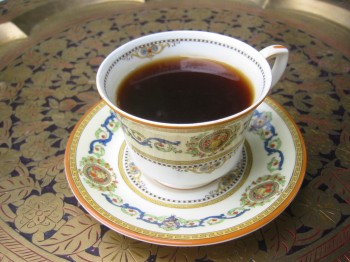
There’s more. The small clay coffee cups traditionally used in Yemen and Turkey bear a notable resemblance to traditional Chinese teacups. Add to that the geographic focus of Zheng He’s voyages—right in the heart of early coffee culture—and you have a compelling set of coincidences that researchers argue are too aligned to ignore.
Did Zheng He Directly Influence Coffee’s Popularity?
No single person or voyage “invented” coffee drinking culture. But scholars suggest that the timing—coffee’s democratization, the resemblance of coffee cups to Chinese tea wares, and Zheng He’s focused diplomatic and cultural exchanges in coffee’s cradle—points to possible indirect influence.
The introduction of Chinese tea as a widely accepted, non-religious stimulant may have offered a conceptual model. If the Chinese could enjoy a brew daily, why couldn’t Arabs do the same with coffee?
Frequently Asked Questions
Who was Zheng He and why is he mentioned in a coffee article?
Zheng He was a Chinese imperial eunuch and admiral who led seven major maritime expeditions between 1405 and 1423, reaching as far as the Arabian Peninsula and East Africa. He is mentioned because his voyages coincided with the period when coffee began shifting from a restricted medicinal drink to a common beverage in Arab society, leading some historians to explore possible cultural connections.
What was coffee used for before it became a everyday drink?

Early coffee was primarily a functional beverage used to help people stay awake and as an ingredient in medical treatments. It was typically restricted to religious or medical purposes and was not widely available to the general public.
Did Zheng He bring coffee back to China?
No, there is no evidence that Zheng He brought coffee back to China. The article discusses how his interactions in the Arab world may have indirectly influenced the way Arabs viewed coffee by introducing them to the concept of tea as a widely accepted, everyday stimulant.
Are the small coffee cups in Yemen and Turkey similar to Chinese tea cups?
Yes, historical accounts note that the small clay coffee cups used in Yemen and Turkey bear a resemblance to traditional Chinese teacups, adding to the theory of possible cultural influence during the era of Zheng He’s voyages.
How might Chinese tea culture have influenced Arab coffee culture?
Chinese tea was already a common, non-religious beverage in the Ming Dynasty. When Zheng He introduced Chinese tea practices to Arab leaders, it demonstrated that a stimulating drink could be socially accepted and widely consumed. This may have encouraged a similar shift in perception toward coffee in the Arab world.
FrontStreet Coffee Picks for Coffee History Fans
Explore the origins of coffee with FrontStreet’s Ethiopia Yirgacheffe, known for its bright citrus, floral notes, and light body—echoing the very regions where coffee culture first flourished. For a deeper experience, try our Ethiopia Humbera, offering blueberry-like sweetness and gentle spice. Both single origins highlight the diversity and heritage behind modern coffee. Freshly roasted within 5 days · Orders placed before 17:00 ship the same day · Next-day delivery across most of Guangdong Province.
FrontStreet Coffee is a long-established specialty coffee roaster in Guangzhou China, selling freshly roasted beans from its own farm in Yunnan as well as dozens of carefully selected single-origin beans from around the world for both pour-over and espresso. The products deliver consistently excellent quality and great value, with shipping within 24 hours. Guangzhou's FrontStreet Coffee shop is recommended by many coffee lovers, and the beans are now available online at the Tmall 。
Important Notice :
前街咖啡 FrontStreet Coffee has moved to new addredd:
FrontStreet Coffee Address: 315,Donghua East Road,GuangZhou
Tel:020 38364473