How Yunnan Kopi Luwak Coffee Is Made
You’ve heard the rumors: coffee made from civet poop that costs hundreds per pound. But what really goes into making Kopi Luwak—and can it actually be good? If you're curious whether this legendary coffee from Yunnan is more than just hype, here’s how it's really done.
Kopi Luwak produced in Yunnan involves feeding civets only ripe coffee cherries, then collecting, cleaning, and processing their feces. Production is extremely limited—only a few kilograms per month. The key factor isn’t location, but the civet’s role in fermenting the beans inside its digestive system.
What Exactly Is Kopi Luwak?
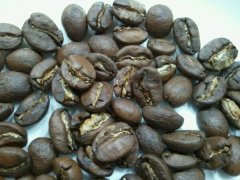
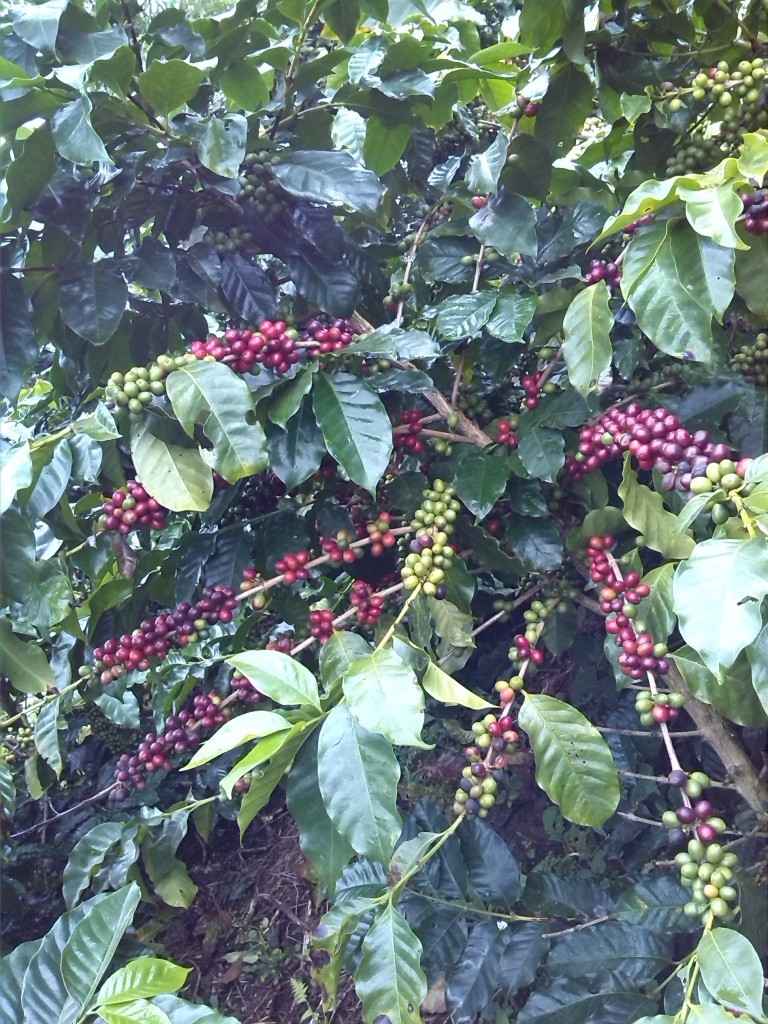
Kopi Luwak, or civet coffee, refers to coffee beans that have been eaten, digested, and excreted by the Asian palm civet—locally called a "musk cat" or . These beans are then collected, cleaned, and roasted. The fermentation process inside the civet’s gut is said to break down proteins and alter flavor compounds, often resulting in a smoother, less bitter cup. In Yunnan, this same process is applied using locally grown coffee, particularly from the Jinqiu Estate .
Why Civets Are Used—and Why the Controversy?
Civets are known to naturally select only the ripest coffee cherries to eat. This selective feeding means the beans they consume are already at optimal ripeness. However, the ethics of keeping civets in captivity for coffee production are heavily debated. While some argue wild civets face habitat loss, others claim that controlled environments may offer better survival conditions than the wild. In Yunnan’s Kopi Luwak production, captive civets are commonly used to ensure consistent feeding and safe collection.
How Yunnan Produces Its Kopi Luwak
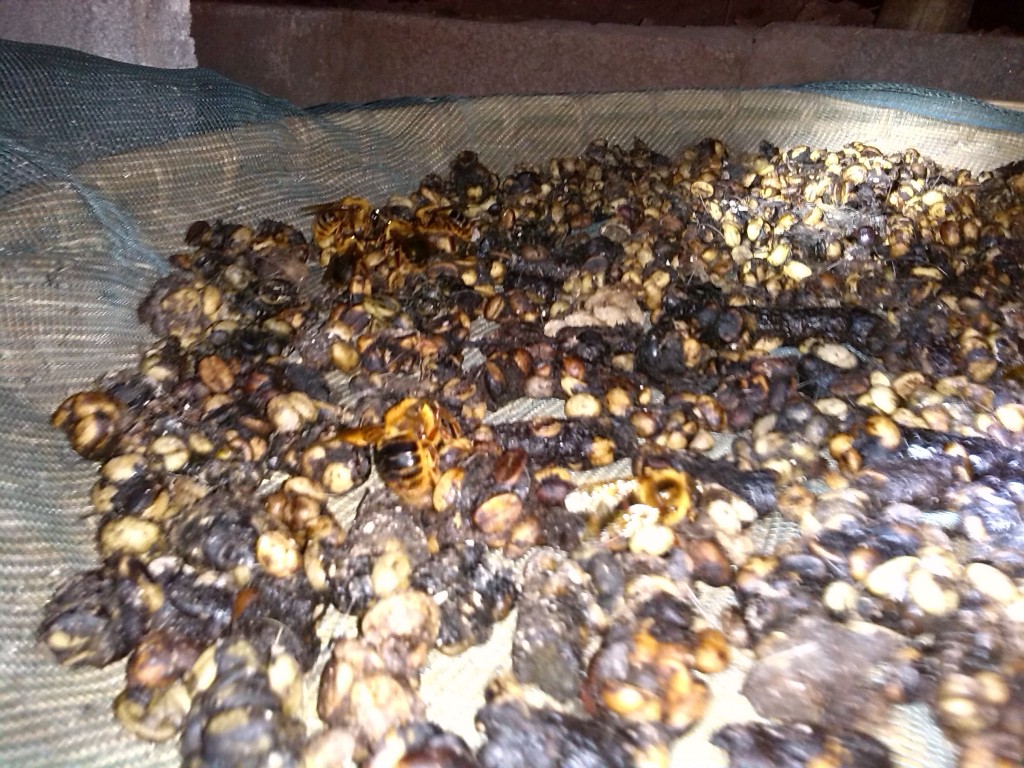
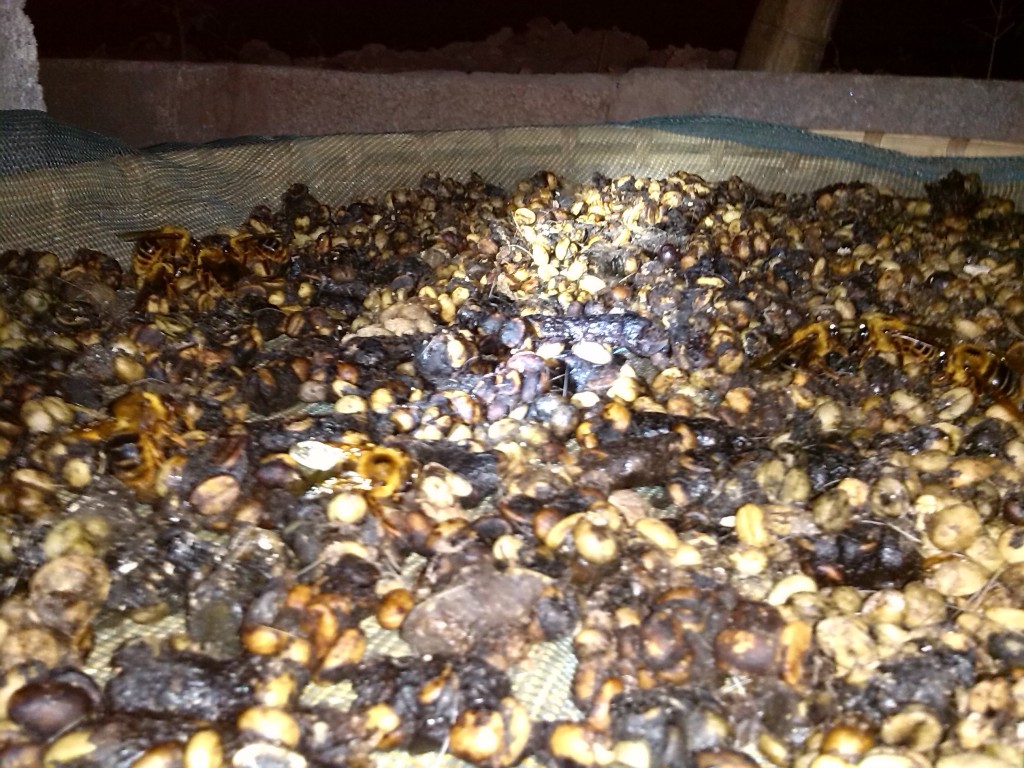
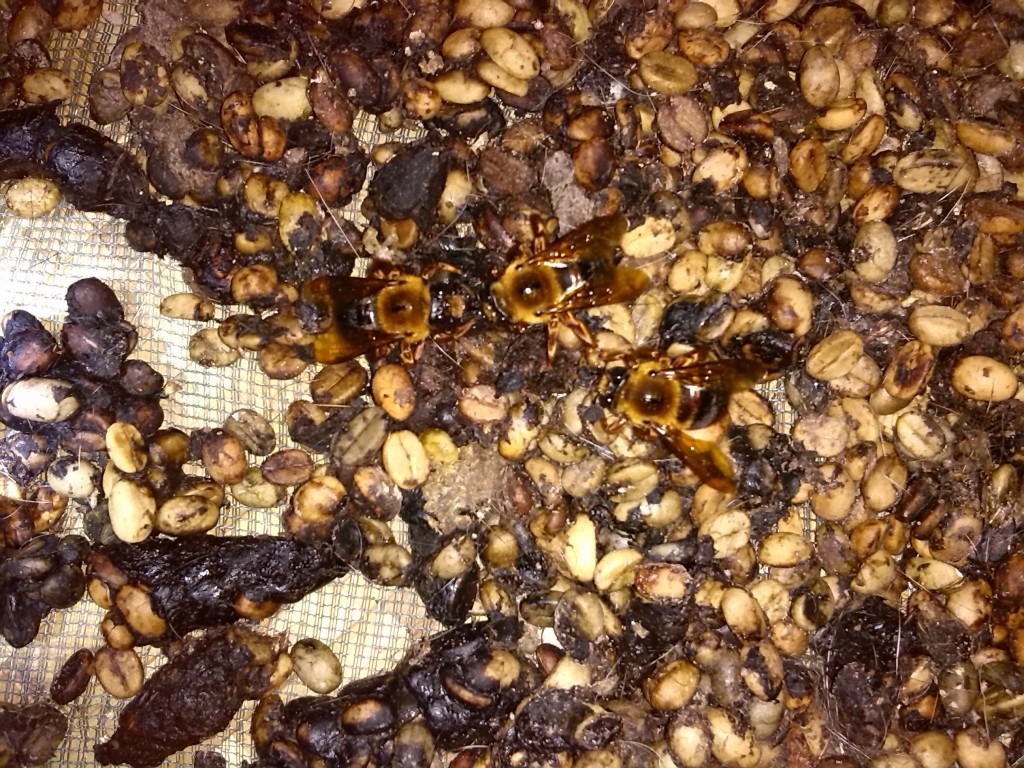
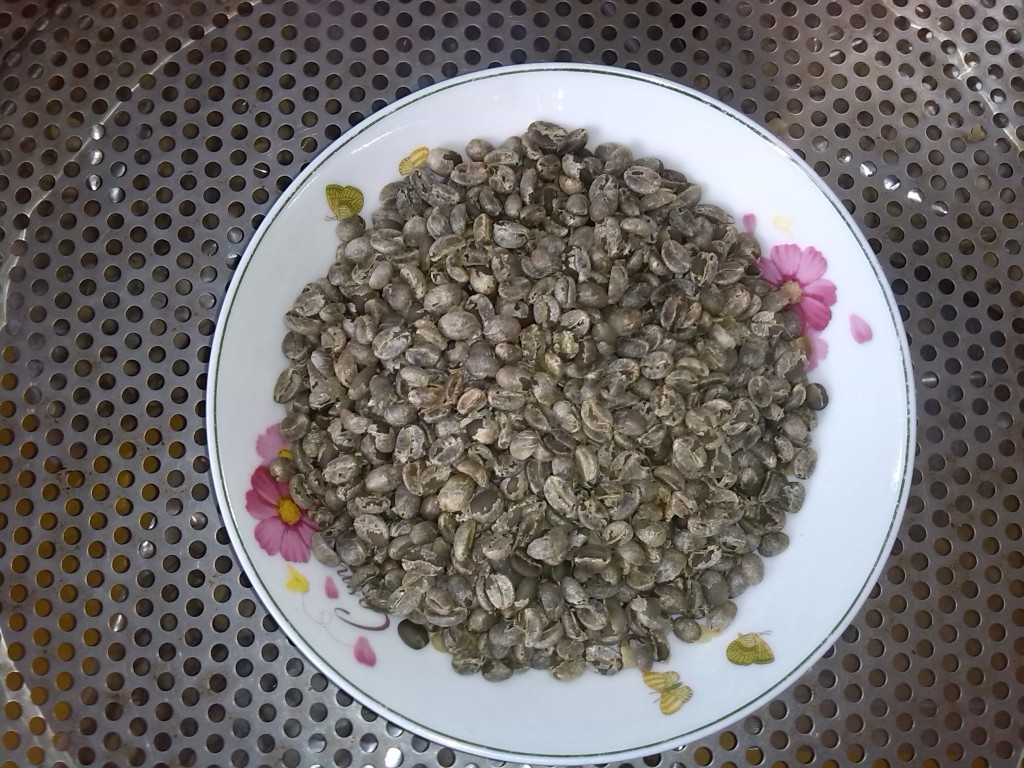
The process starts with feeding selected, ripe coffee cherries to civets. After digestion, the beans are excreted in the civet’s feces. Workers then manually collect the droppings, clean them thoroughly, and wash away all remaining waste material. The beans are spread out to dry in the shade—a slow, natural drying method that takes weeks. During this time, the beans develop a distinctive aroma, sometimes even attracting bees due to their fermented scent. This slow drying phase is crucial and contributes to the final cup profile. Only a small batch of a few kilograms is produced monthly, making it extremely rare.
Does Origin Matter More Than the Civet?
Interestingly, the origin of the coffee cherry plays a smaller role in Kopi Luwak than the digestive process itself. Whether the beans come from Indonesia or Yunnan, what defines Kopi Luwak is the fermentation that occurs inside the civet. In Yunnan, the same species of civet processes locally grown Typica and other regional beans, resulting in a product similar in method to its Indonesian counterpart. The beans used in Yunnan’s version are also carefully selected and processed to mirror traditional Kopi Luwak standards.
Yunnan’s Coffee Growing Environment
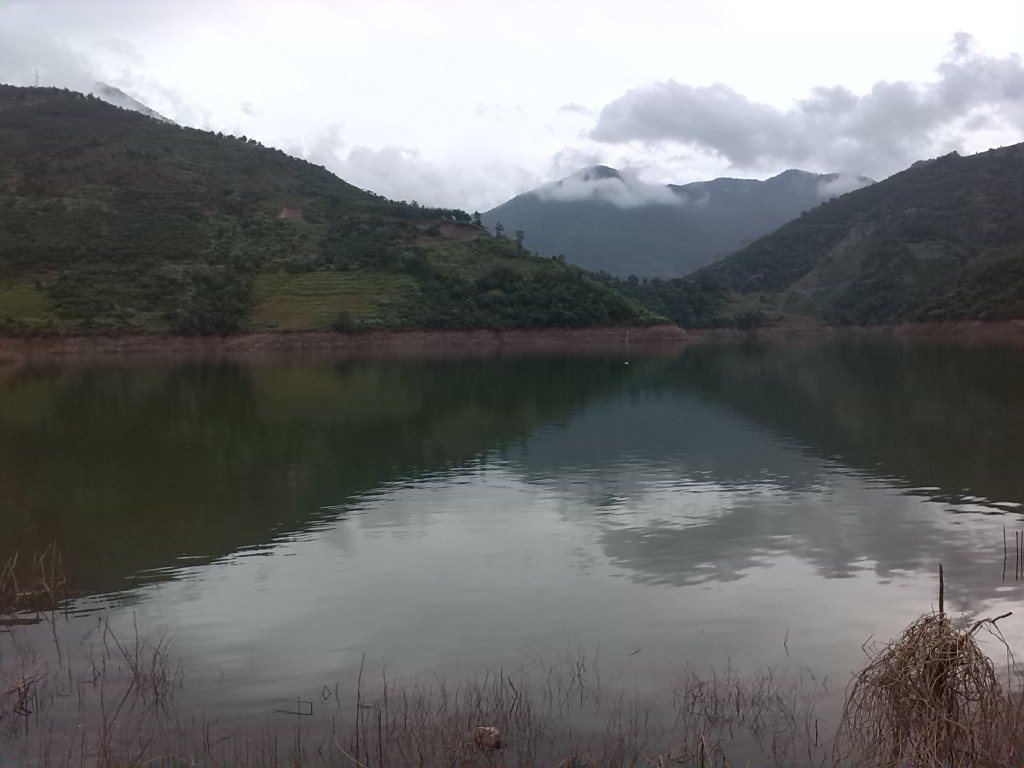
Yunnan province sits within the global coffee-growing belt, around 25°N latitude, with elevations of 1,000+ meters. The region enjoys warm temperatures (16–21°C), strong sunlight, rich volcanic soils, and large diurnal temperature shifts—all ideal for growing high-quality Arabica. The area’s four main coffee regions include Baoshan, Dehong, Pu’er, and Lincang. The climate and terrain allow for diverse processing methods, including washed, natural, and even unique experiments like civet-processed coffee.
Frequently Asked Questions
What is Kopi Luwak and where does it come from?
Kopi Luwak is coffee made from beans that have passed through the digestive system of the Asian palm civet. Though originally from Indonesia, it is now also produced in places like Yunnan, China, using local civets and coffee varieties.
How are Kopi Luwak beans processed in Yunnan?
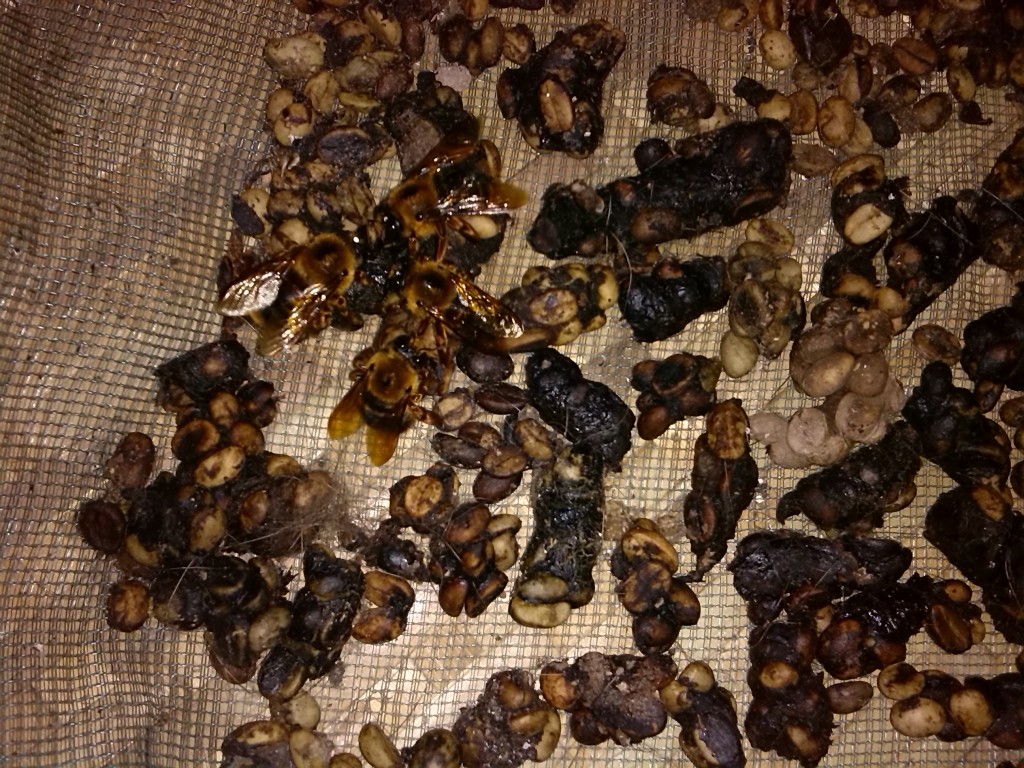
In Yunnan, ripe coffee cherries are fed to civets. The beans are later collected from the civet’s feces, cleaned, and naturally dried in the shade over several weeks. This slow, manual process limits production to just a few kilograms per month.
Does the civet’s digestion change the coffee flavor?
Yes. The civet’s stomach acids and enzymes break down proteins in the coffee beans, which reduces bitterness and creates a smoother, often sweeter and more complex flavor profile compared to regular processed beans.
Is Yunnan Kopi Luwak different from Indonesian Kopi Luwak?
The basic process is the same, but Yunnan uses locally grown beans such as Typica and processes them with the same civet digestion method. The main difference lies in terroir, not the civet’s role, which remains central to the flavor development.
Is it ethical to produce coffee using civets?
There is ongoing debate. While wild civet populations are threatened, some producers use captive civets in controlled environments that may offer better care than the wild. Ethical concerns remain a major issue in the global Kopi Luwak industry.
How rare is Yunnan Kopi Luwak?
Very rare. Due to the limited number of civets and the labor-intensive collection and cleaning process, Yunnan produces only a few kilograms of Kopi Luwak per month, making it one of the rarest coffee types in the world.
Recommended FrontStreet Beans from Yunnan
Explore authentic Yunnan flavors with these single-origin beans from FrontStreet Coffee. The FrontStreet 2013 Yunnan Typica Natural offers a bold, syrupy body with bright citrus and berry notes, plus a hint of wine-like fermentation. For a cleaner cup, try the FrontStreet Yunnan Washed Typica (Yunnan Arabica), a water-processed bean with balanced caramel sweetness and gentle acidity. Both highlight Yunnan’s high-altitude terroir and are great entry points for experiencing regional character. Freshly roasted within 5 days · Orders placed before 17:00 ship the same day · Next-day delivery across most of Guangdong Province.
FrontStreet Coffee is a long-established specialty coffee roaster in Guangzhou China, selling freshly roasted beans from its own farm in Yunnan as well as dozens of carefully selected single-origin beans from around the world for both pour-over and espresso. The products deliver consistently excellent quality and great value, with shipping within 24 hours. Guangzhou's FrontStreet Coffee shop is recommended by many coffee lovers, and the beans are now available online at the Tmall 。
Important Notice :
前街咖啡 FrontStreet Coffee has moved to new addredd:
FrontStreet Coffee Address: 315,Donghua East Road,GuangZhou
Tel:020 38364473