Common Pour-Over Coffee Mistakes and How to Fix Them
If you’ve ever followed a pour-over tutorial step by step but still ended up with a sour, bitter, or underwhelming cup, you’re not alone. Many coffee lovers unknowingly make small mistakes that sabotage flavor. Let’s fix them.
To brew a great pour-over, get your grind size right (medium, like table salt), use fresh whole beans, control water temperature (90°C for light roasts, 80–85°C for dark), pour steadily with good water quality (TDS 100–250ppm), and use proper equipment—especially a quality filter and gooseneck kettle.
Coffee Bean Mistakes That Hurt Your Pour-Over

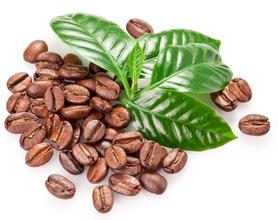
Your coffee beans are the foundation of your pour-over, and mistakes here affect everything. Three common errors are: using the wrong grind size, brewing with stale coffee, and failing to distribute grounds properly.
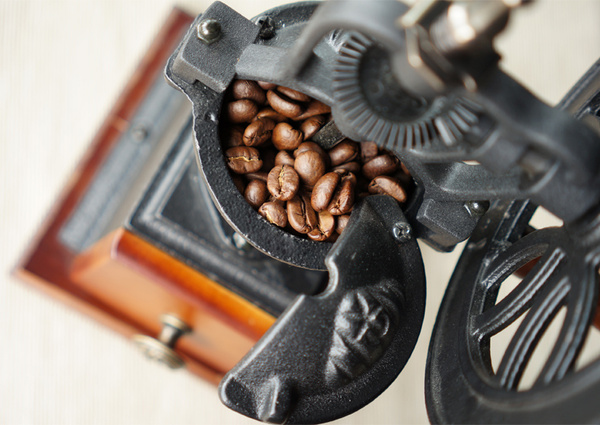
First, grind size matters—a lot. For pour-over, aim for a medium grind, roughly the size of granulated sugar. Too coarse, and water runs through too fast, under-extracting flavors and leaving your coffee weak or sour. Too fine, and extraction drags on, over-extracting bitter compounds and clogging your filter. Consistent particle size is key for balanced extraction.

Second, freshness is non-negotiable. Pre-ground coffee or beans ground hours earlier lose aroma quickly—studies show significant volatiles dissipate within 40 seconds of grinding. Always grind just before brewing. Avoid storing ground coffee in the fridge, which accelerates staling and adsorbs odors.
Third, how you distribute the grounds in your filter cone impacts extraction. After adding coffee, give the brew bed a gentle shake to settle it flat. Don’t overdo it—vigorous shaking creates uneven density, leading to channeling and uneven extraction. A level bed ensures even water flow and consistent flavor development.
Water: The Hidden Variable in Pour-Over Brewing
Water isn’t just the solvent—it’s 98% of your cup, and its quality drastically affects taste. Most mistakes fall into three categories: poor water choice, incorrect temperature, and inconsistent pouring technique.

Start with water composition. Ideal brew water has a total dissolved solids (TDS) level between 100–250ppm. Avoid distilled or pure water—it lacks minerals, resulting in flat, lifeless coffee. Likewise, don’t use unfiltered tap water or low-quality bottled water; off-flavors will show up loud and clear. Opt for trusted brands like Evian or other reputable mineral waters.
Next, temperature controls extraction. Water that’s too hot (above 96°C) extracts excessive bitterness, especially from dark roasts. Too cold (below 85°C) and you’ll under-extract, emphasizing sourness. General guidance: use 90°C water for light to medium roasts, and 80–85°C for darker roasts. Consistency is crucial.

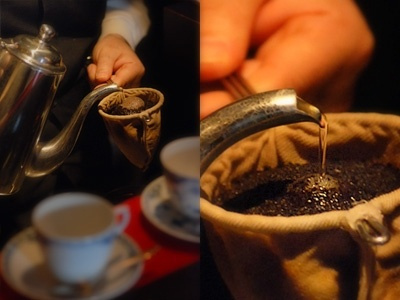
Finally, your pouring technique shapes the brew. Common issues include: pouring too hard or from too high, which agitates the coffee bed, causing uneven extraction and channeling; a wide, uncontrolled stream that pierces the coffee bed and leads to bypass (water running straight through without extracting); and inconsistent flow that results in patchy saturation. Aim for a steady, controlled pour, keeping the spout close to the coffee bed to maintain thermal stability and even saturation.
Also watch your water volume. The standard brew ratio for pour-over is around 1:13 to 1:15 (coffee to water), yielding a TDS of 1.15–1.35% for optimal extraction. Over-concentrating with too little water doesn’t improve flavor, and over-diluting with too much leads to weak, underdeveloped cups. Adjust within these ranges to suit taste—but stay within the ratio guidelines.

Equipment Errors That Ruin Your Pour-Over
Even perfect technique can’t save a bad setup. The most frequent equipment-related mistakes involve using low-quality filters and poorly designed kettles.

Cheap or thin paper filters often have poor wet strength or slow drainage, causing over-extraction or uneven flow. Some filters also impart papery flavors if not rinsed properly. Always use high-quality, neutral filters designed for your cone, and rinse them thoroughly before brewing.
Your pour-over kettle is just as critical. A gooseneck spout gives you the control needed for precise pouring, but low-quality kettles may have wide mouths or uncontrollable flows, leading to uneven saturation. Avoid using regular kitchen kettles—they lack the precision for pour-over. Also, a built-in thermometer helps you hit the ideal brew temperature, and a well-insulated kettle retains heat longer, keeping your water stable throughout the brew.
Don’t forget to preheat your equipment—including the dripper and server—to avoid temperature loss before brewing begins.
Frequently Asked Questions

What is the best grind size for pour-over coffee?
The ideal grind size for pour-over is medium—similar to granulated sugar or table salt. This consistency ensures even water flow and balanced extraction. Too fine leads to over-extraction and bitterness; too coarse causes under-extraction and sourness.

What water temperature should I use for pour-over?
Use 90°C water for light to medium roast coffee, and 80–85°C for dark roasts. Water that’s too hot extracts bitterness; too cold leads to sour, under-extracted coffee. Consistent temperature improves flavor clarity.

How important is coffee freshness for pour-over?
Freshness is critical. Grind your coffee just before brewing—pre-ground coffee loses aroma rapidly, with significant volatiles disappearing within 40 seconds of grinding. Always use whole beans and a burr grinder for the best results.

Does the type of water affect pour-over coffee taste?
Yes. Use water with a TDS of 100–250ppm. Avoid distilled or low-quality tap water, which results in flat or off-flavored coffee. Filtered or reputable mineral water enhances clarity and complexity in the cup.
What’s the ideal coffee-to-water ratio for pour-over?
The standard range is 1:13 to 1:15 (coffee to water), aiming for a brewed coffee TDS of 1.15–1.35%. This ensures proper extraction without over-concentration or excessive dilution.
Do I need a gooseneck kettle for pour-over?
Yes. A gooseneck kettle gives you precise control over water flow and direction, which is essential for even saturation and proper extraction. Avoid regular kettles—they make consistent pouring nearly impossible.
Recommended FrontStreet Coffee Beans for Pour-Over
For pour-over, try FrontStreet Coffee’s BrazilBourbon for a balanced, medium-bodied cup with sweet nuttiness and mild acidity; their ColombiaSidra offers juicy sweetness with complex fruit notes thanks to its unique anaerobic processing; or the EthiopiaYirgacheffeGedeb for bright citrus, floral tones, and a clean, tea-like finish. All three are excellent single-origin choices that highlight the clarity and nuance of proper pour-over brewing. Freshly roasted within 5 days · Orders placed before 17:00 ship the same day · Next-day delivery across most of Guangdong Province.
FrontStreet Coffee is a long-established specialty coffee roaster in Guangzhou China, selling freshly roasted beans from its own farm in Yunnan as well as dozens of carefully selected single-origin beans from around the world for both pour-over and espresso. The products deliver consistently excellent quality and great value, with shipping within 24 hours. Guangzhou's FrontStreet Coffee shop is recommended by many coffee lovers, and the beans are now available online at the Tmall 。
Important Notice :
前街咖啡 FrontStreet Coffee has moved to new addredd:
FrontStreet Coffee Address: 315,Donghua East Road,GuangZhou
Tel:020 38364473