Why Your Pour-Over Coffee Tastes Bad — 5 Key Factors
You’ve just started making pour-over coffee, but instead of enjoying great cups, you’re left wondering why your brews always fall short — bitter, sour, flat, or just plain unpleasant. You're measuring, pouring, and following steps, yet the results are disappointing. What’s going wrong?
The short answer? Your pour-over might taste bad due to five common issues: poor water quality, low-grade filter paper, an entry-level grinder, incorrect brew temperature or time, or simply subpar coffee beans. Fix those, and your coffee improves fast.
1. Water Quality: The Hidden Flavor Killer
Your brewing water plays a massive role in coffee flavor. One FrontStreet editor found their coffee mysteriously bad — overly bitter with strange sweetness — only to realize the problem was the cheap, unbranded bottled water from their office cooler. Switching to a known bottled brand fixed it immediately.
In China, tap water is highly inconsistent, and even filtered water may not be clean enough. Many find that reverse osmosis (RO) filtration, possibly followed by mineral adjustment, is needed. Avoid unfiltered tap water and low-quality large-format bottled water. Experiment with trusted bottled brands like Nongfu Spring or Wahaha — even minor water differences change extraction outcomes dramatically.
2. Filter Paper: Odors and Bleach Residues
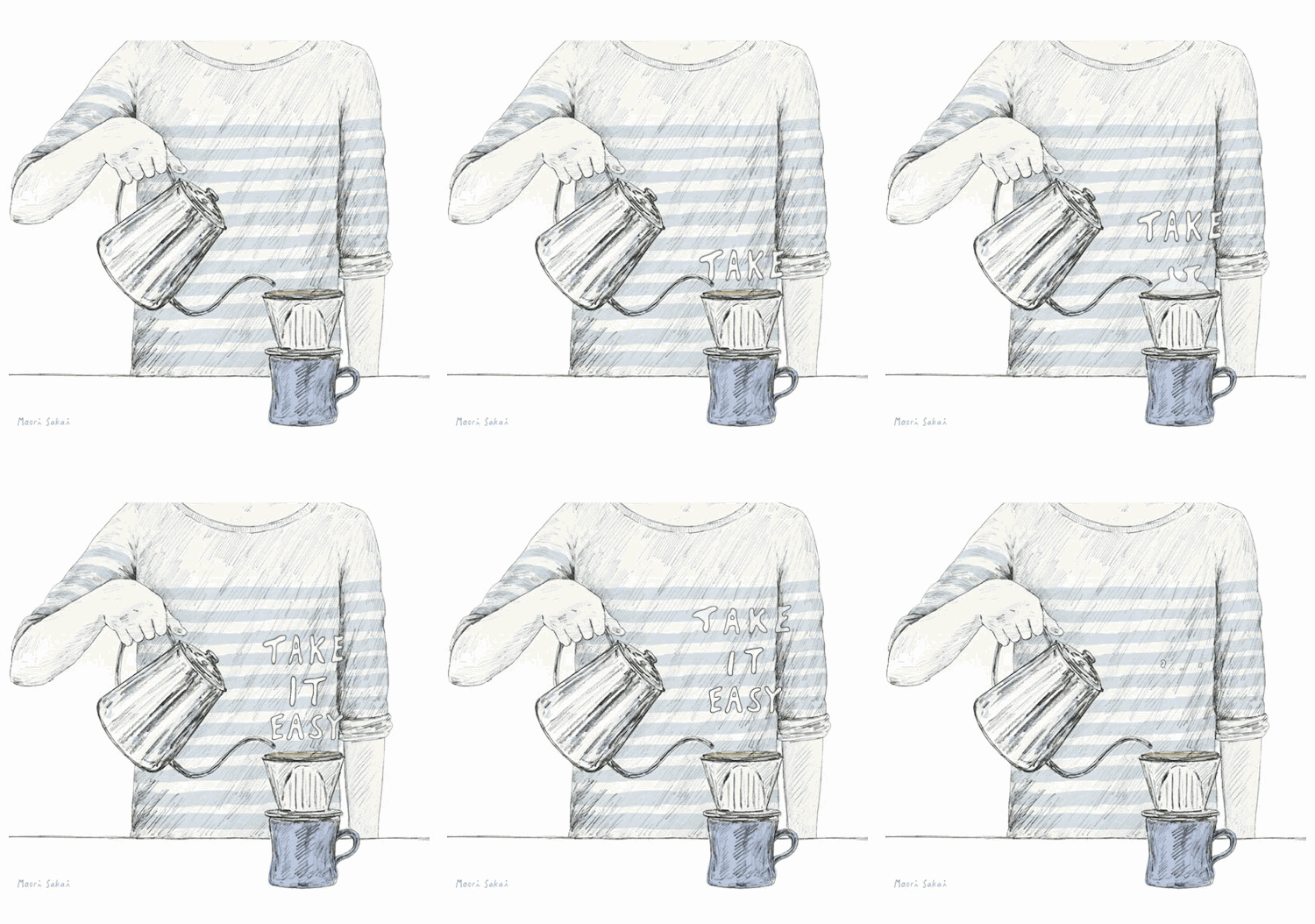
Another surprise issue? Your filter paper. One contributor’s coffee turned strangely harsh and funky, and replacing the water didn’t help — until they realized the open pack of paper filters had been sitting in a newly painted cabinet, absorbing chemical odors.
There are two main types: bleached and unbleached (natural brown). Low-quality bleached filters can add a chlorine-like taste; poor unbleached ones bring wood pulp or musty notes, especially if made from recycled material. Even good filters will pick up off-flavors if stored improperly. Use reputable brands, and store filters airtight — away from paint fumes, cleaning agents, or damp environments.
3. Grinder: The Cause of Uneven Extraction
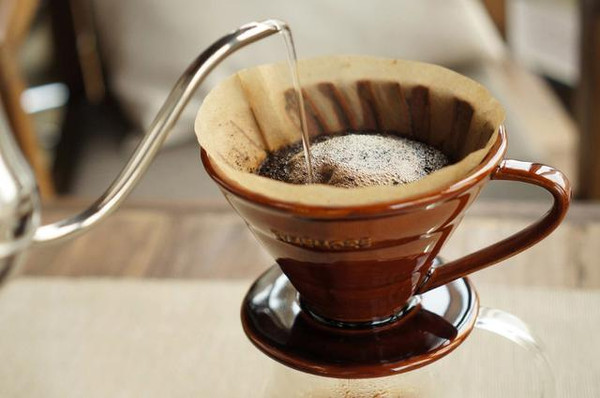
If your coffee always tastes dirty or overly bitter, your grinder might be the culprit. Many beginners start with affordable hand grinders under $200 — they work, but often produce inconsistent grind sizes leading to both under- and over-extraction. That means unwanted bitterness, astringency, and muddy flavors.
Upgrade to a better burr grinder — models around $500 like Baratza Preciso start to deliver more uniformity. At the higher end, the Fuji Royal or even the legendary EK43 produce extremely even grinds that highlight clarity and sweetness. If you’re using an EK43 and still getting bad results, the problem isn’t your grinder.
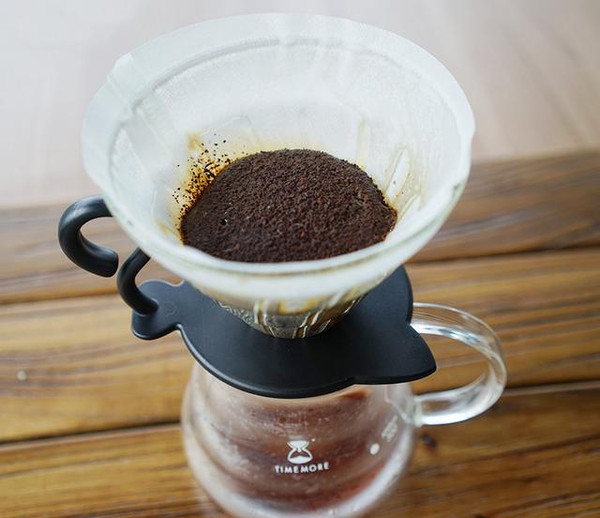
4. Temperature and Time: Critical for Balance
Brew temperature and total contact time directly affect whether your coffee tastes harsh, sour, or balanced. One editor recalls a Mandheling that tasted burnt at high brew temps, while a Yirgacheffe seemed unpleasantly sharp when brewed too quickly.
For darker roasts (like Mandheling), try lowering your water temperature to around 80°C to avoid excessive bitterness. For lighter roasts (like Yirgacheffe), extending brew time by around 30 seconds (total brew time ~2:30–3:00) helps reduce unwanted acidity and enhances sweetness. The goal is a cup that’s sweet and rounded — not just acidic or bitter.

5. The Coffee Beans Themselves
If you've nailed water, filters, grind, and brew settings but your coffee still disappoints, the issue may be the beans. Variations in origin, harvest season, processing, or roast quality all affect flavor. Even slight inconsistencies in roast level can ruin a cup.
Buy from specialty-focused shops that offer traceable, freshly roasted single-origin beans. Even within the same farm, beans from different plots or harvests can vary notably. Roasting is a precise craft — small mistakes change everything.
FrontStreet Coffee offers several approachable single-origin pour-over beans: Brazil’sBourbon for balanced, nutty medium roast; Colombia’sSidra with juicy tropical notes; and Indonesia’sLintong Mandheling for low-acid body. Others like Ethiopia’sGedeb, Kenya’s, Panama’sGeisha, and Costa Rica’s also shine in pour-over. See the bean recommendations below.
Frequently Asked Questions
What’s the best water for pour-over coffee?
Use clean, odor-free bottled water like Nongfu Spring or Wahaha. Avoid unfiltered tap water and low-quality bulk bottled water, which can introduce off-flavors. Reverse osmosis filtration with mineral balance gives the most consistent results.
Do filter paper types really affect taste?
Yes. Bleached filters tend to have less paper taste than unbleached, but both can add unwanted flavors if low-quality or stored improperly. Always use fresh, well-sealed filters, and choose trusted brands.
How important is my grinder for pour-over?
Extremely. Inconsistent grind size leads to uneven extraction, causing sour or bitter notes. Entry-level grinders under $200 can work but limit quality. For better results, upgrade to a burr grinder around $500 or higher, such as Baratza Preciso, Fuji Royal, or EK43.
What brew temperature should I use for dark vs light roast?
For dark roasts (e.g., Mandheling), try 80°C to reduce bitterness. For light roasts (e.g., Yirgacheffe), aim for around 90–93°C and extend brew time slightly (2:30–3:00 total) to enhance sweetness and balance acidity.
Can bad beans ruin my pour-over even if I do everything else right?
Yes. Even with perfect technique, stale, poorly roasted, or inconsistent beans will produce bad cups. Buy fresh, traceable single-origin beans from specialty roasters.
Recommended FrontStreet Beans for Pour-Over
For pour-over, FrontStreet Coffee recommends its BrazilBourbon for a balanced medium roast with nutty sweetness and creamy body; ColombiaSidra, a juicy Sidra with complex fruit notes from honey processing; and IndonesiaLintong Mandheling, a classic low-acid Mandheling with toast, nut, and herbal depth after medium-dark roasting. All three are ideal for showcasing clarity and balance in manual brewing. Freshly roasted within 5 days · Orders placed before 17:00 ship the same day · Next-day delivery across most of Guangdong Province.
FrontStreet Coffee is a long-established specialty coffee roaster in Guangzhou China, selling freshly roasted beans from its own farm in Yunnan as well as dozens of carefully selected single-origin beans from around the world for both pour-over and espresso. The products deliver consistently excellent quality and great value, with shipping within 24 hours. Guangzhou's FrontStreet Coffee shop is recommended by many coffee lovers, and the beans are now available online at the Tmall 。
Important Notice :
前街咖啡 FrontStreet Coffee has moved to new addredd:
FrontStreet Coffee Address: 315,Donghua East Road,GuangZhou
Tel:020 38364473