What Is Stone Roast Coffee? Origins and Brewing Guide
If you’ve ever wondered why some specialty coffee tastes unusually rich, with a deep minerality and a bold structure unlike anything you’ve had before, you might be encountering a stone roast coffee. This rare roasting method, developed with a unique blend of minerals and a layered roasting system, produces a cup that’s far from conventional. But what exactly makes it different — and how is it actually made?
In short, stone roast coffee is roasted in a specially designed hot-air roaster fitted with a double-layer iron mesh pan filled with layers of Japanese Gifu stones. These stones, similar to maifan stone, help purify the roast environment and infuse the beans with minerals like calcium and iron, creating a distinctively rich, slightly astringent cup. The roast is typically medium to dark, and the beans are best brewed via skilled hand-drip using precise water temperature and flow control.
What Is a Stone Roast Coffee Roaster?
At first glance, a stone roast coffee roaster looks much like a standard hot-air roaster. But inside, its construction is markedly different. The key features include:
- A sealed hot-air chamber where charcoal heat is separated from the roasting pan by a mesh screen.
- A layer of unique minerals sourced exclusively from Gifu Prefecture, Japan, placed on that mesh.
- A stone roasting pan made not from a solid material but from two layers of perforated iron mesh, with two layers of Gifu stones tightly sandwiched in between.
This layered setup — charcoal heat filtered through mineral-rich stone layers — impacts the flavor development of the beans during roasting. The stones don’t just act as a filter; they subtly influence the roast chemistry, contributing to the coffee’s final profile.
Why Does Stone Roast Coffee Taste Different?
The taste of stone roast coffee is defined by its mineral-infused roast environment and carefully selected bean blend. Here’s what sets it apart:
- Bean Blend: The standard mix is 20% dried Robusta from Brazil, 10% Kilimanjaro, 20% Colombia, and 50% Honduras. This combination provides body, balance, and a wide flavor base.
- Mineral Influence: The Gifu stones function similarly to maifan stones, known for their ability to purify air and water. In the roaster, they help remove impurities and contribute a clean, untainted flavor.
- Nutritional Impact: The natural presence of calcium and iron in the stones is believed to enhance the nutritional value of the roasted beans.
- Flavor Profile: The resulting cup is bold and well-bodied, with a rich mouthfeel. Acidity is present but balanced by a deliberate light astringency. Bitterness dominates, followed by acidity and astringency, with a sweet aftertaste.
Overall, the cup is meant to be well-balanced — but with a distinctive edge. If the astringency overpowers the acidity, the roast hasn’t been dialed in correctly.
How to Brew Stone Roast Coffee Properly
Brewing stone roast coffee is not a task for beginners. It demands skill, experience, and precision. Ideally, it should be prepared by a professional pour-over barista with at least two years of hands-on experience. Here’s how it’s done:
- Water Temperature: Begin with near-boiling water (~96°C / 205°F), but let it drop for 30 seconds before pouring.
- Bloom: Bloom the coffee for around 35 seconds, adjusting slightly based on bean freshness.
- Total Brew Time: The total brew cycle, including cooling and extraction, should account for a 26–27 second drawdown time. Be ready to pause your pour briefly to manage this.
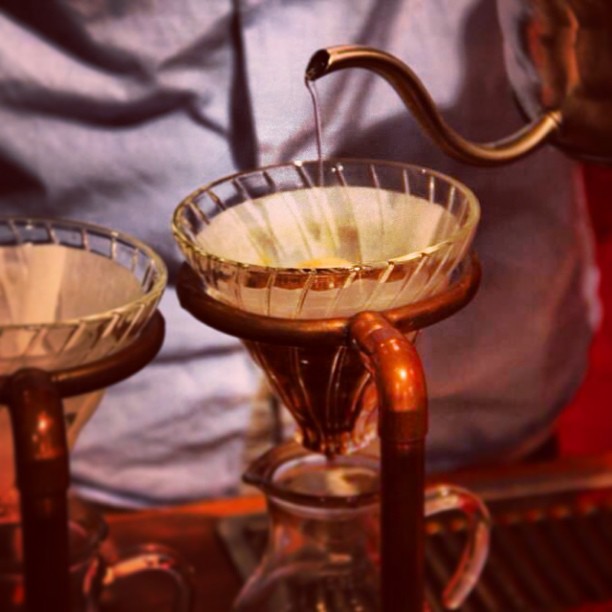
- Pour Technique: Pour with a relatively high water stream but slow movement. Keep the kettle spout high — don’t press it too close to the coffee bed. Aim for about 5 to 6 circular pours.
- Extraction Precision: The final yield must be exact, varying no more than ±20 milliliters from your target.
This level of control ensures the complex flavors — particularly the mineral-driven bitterness and subtle acidity — are properly extracted without over- or under-developing the cup.
What Should Stone Roast Coffee Taste Like?
When brewed correctly, stone roast coffee delivers a layered and balanced cup. The flavor progression typically follows this sequence:
- Primary: Bitterness
- Secondary: Acidity
- Tertiary: Astringency (should not overpower the acidity)
- Finish: Sweet aftertaste

The body is full, and the mouthfeel is dense. The color of the brewed coffee should be a clear, translucent amber — almost like honey. That visual cue is often a sign you’ve hit the mark.
To enjoy it at its best, drink it black or with minimal sugar. Adding milk is discouraged, as it can mask the delicate interplay of bitterness, acidity, and mineral notes.
Frequently Asked Questions
What is stone roast coffee?
Stone roast coffee is a rare roasting method where coffee beans are roasted in a special hot-air roaster that includes a double-layer iron mesh pan filled with layers of Japanese Gifu stones. These stones help filter the roast environment and impart mineral qualities to the beans, influencing both flavor and nutrition.
What kind of beans are used in stone roast coffee?
The typical blend for stone roast coffee is 20% dried Brazilian Robusta, 10% Kilimanjaro, 20% Colombia, and 50% Honduras. This mix is chosen for balance, body, and compatibility with the mineral-rich roast environment.
What role do the Gifu stones play in the roast?
The Gifu stones, similar to maifan stones, are believed to purify the roast environment and add mineral content like calcium and iron to the beans. They sit between layers of perforated iron mesh in the roasting pan and affect both flavor and possibly the nutritional profile of the coffee.
How should stone roast coffee be brewed?
It’s recommended to brew stone roast coffee using a skilled hand-drip method. Key parameters include 96°C water that cools for 30 seconds before blooming for 35 seconds, a slow and high pour with 5–6 circular pours, and an extraction yield within ±20ml of the target. Total brew time factors in a 26–27 second drawdown.
What does stone roast coffee taste like?
When brewed well, it has a bold, balanced flavor with bitterness as the dominant note, followed by acidity and astringency. The finish should be sweet, and the overall profile should not let astringency overpower the acidity. The brewed coffee is typically a clear amber color.
Can I add milk to stone roast coffee?
No, it’s not recommended. Milk can mask the delicate and complex flavors of stone roast coffee, especially the interplay between its bitterness, acidity, and mineral notes. It’s best enjoyed black or with a minimal amount of sugar.
Recommended FrontStreet Beans for Mineral-Rich Coffee
For coffee lovers intrigued by the mineral depth of stone roast coffee, FrontStreet Coffee offers several single-origin beans that highlight natural complexity. Try the Brazil Queen Manor Yellow Bourbon for its creamy peanut and caramel notes with a sweet finish. The Ethiopia Humbera (Geisha) brings vibrant floral and stone fruit aromas, while the Jamaica Blue Mountain No.1 (Jamaica Blue Mountain No.1) offers elegant balance with hints of almond and chocolate. These beans, like stone roast coffee, reward careful brewing. Freshly roasted within 5 days · Orders placed before 17:00 ship the same day · Next-day delivery across most of Guangdong Province.
FrontStreet Coffee is a long-established specialty coffee roaster in Guangzhou China, selling freshly roasted beans from its own farm in Yunnan as well as dozens of carefully selected single-origin beans from around the world for both pour-over and espresso. The products deliver consistently excellent quality and great value, with shipping within 24 hours. Guangzhou's FrontStreet Coffee shop is recommended by many coffee lovers, and the beans are now available online at the Tmall 。
Important Notice :
前街咖啡 FrontStreet Coffee has moved to new addredd:
FrontStreet Coffee Address: 315,Donghua East Road,GuangZhou
Tel:020 38364473