How to Make Perfect Coffee Latte Art Step by Step
If you’ve ever watched a barista pour a heart or leaf into a cup of milk and espresso and thought, ‘I wish I could do that,’ you’re not alone. Making latte art isn’t just about looks—it also improves texture and can reduce perceived bitterness. But achieving smooth, pattern-perfect designs requires mastering milk texture, pouring technique, and equipment setup.
To make a basic latte art pattern like a heart or leaf, you need finely textured microfoam heated to 60°C, poured from a height into a shot of espresso. The milk must have no large bubbles, and the pitcher should be tilted and poured smoothly, starting high and finishing low. Most patterns begin with a centered dot and develop through wrist movement and flow control.
What Is Latte Art and Why It Matters
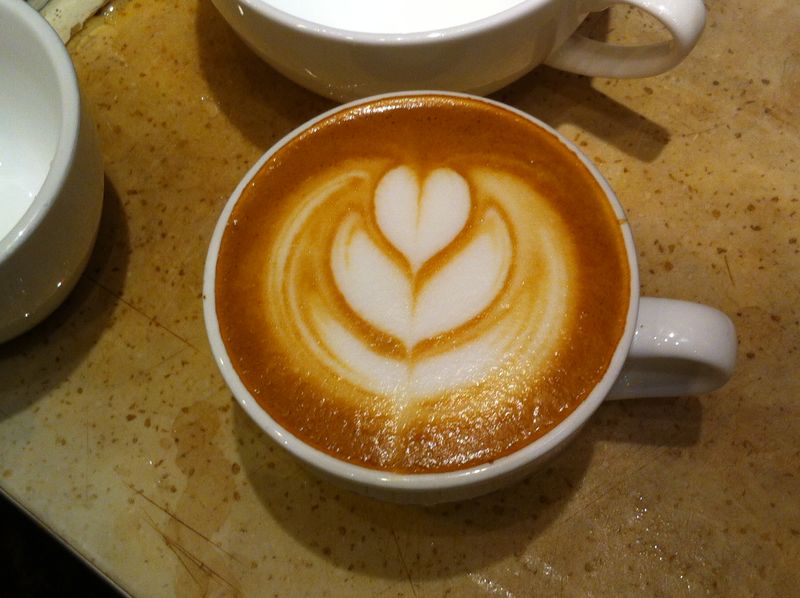
Latte art—also called milk art or coffee art—is the visual design created by pouring steamed milk into espresso. Though often seen as decorative, it’s also functional: well-integrated milk reduces bitterness and enhances smoothness. The most common designs are a simple heart or a fern-like leaf. These aren’t painted on—they emerge from how the milk is poured into the espresso’s crema.
The term ‘latte’ comes from the Italian word for milk. In Europe, pouring milk into coffee to create lines and shapes evolved into an art form. Good latte art depends on two things: the quality of the espresso’s crema and the texture of the steamed milk. Without fine, velvety microfoam, patterns won’t hold or flow properly.
How to Steam Milk for Latte Art
Steaming milk to the correct texture is the foundation of all latte art. Here’s how to do it right every time:
- Pour cold milk into your steam pitcher, filling it no more than halfway to allow room for expansion.
- Heat the milk to around 60°C, and never above 70°C—higher temperatures break down milk proteins and ruin texture. (For iced milk foam, cool to 5°C or below, but don’t let it freeze.)
- Place the steam wand just below the milk surface, tilting the pitcher to create a whirlpool. Insert the wand so the tip is slightly below the surface to draw in air for the initial foam. Keep it shallow and move it to control bubble size.
- After introducing air (listen for a hissing sound for a few seconds), submerge the wand deeper to heat and spin the milk. Total steaming time is typically 10–15 seconds depending on volume.
- Remove the wand and clean it with a damp cloth. Use a spoon to hold back any large bubbles, then pour only the smooth microfoam into your cup.
Step-by-Step: Pouring Basic Latte Art Patterns
Once you have properly steamed milk, you’re ready to pour. Here’s the basic sequence for creating simple patterns like a heart or leaf:
- Brew a single or double shot of espresso with a rich, stable crema. Use a dark roast or blend with good oils for best results.
- Hold your milk pitcher with your dominant hand, tilt the cup slightly, and start pouring from a height of about 5–10 cm above the cup’s surface.
- Begin by pouring straight into the center to integrate milk and espresso, sinking the milk below the crema.
- When the cup is about one-third full, lower the pitcher closer to the cup and begin moving it forward and backward smoothly to shape the pattern.
- For a heart: After sinking the milk, bring the spout close and pour in a steady rhythm to form a round dot, then gently move the pitcher side to side to shape the top curves of the heart.
- For a leaf (or fern): Start with a similar center dot, then wiggle the pitcher left and right while moving forward to create the stem and branches. Speed and angle control the fineness of the lines.
The key is smooth, controlled pouring with steady wrist motion. Most beginners start with a centered dot and expand from there. With practice, you’ll learn to control flow speed, height, and angle to create cleaner lines and shapes.
Common Mistakes and How to Avoid Them
Many home baristas struggle with latte art due to avoidable issues:
- Poor milk texture: Large bubbles or dry foam ruin patterns. Always skim off big bubbles with a spoon before pouring.
- Wrong pouring height: Pouring too high or too low makes patterns smear or disappear. Start high, then lower as you begin shaping.
- Unstable espresso crema: A weak or thin crema won’t hold patterns. Use freshly ground, properly extracted espresso with good oils.
- Overheated milk: Milk above 70°C becomes thin and scalded, losing the velvet texture needed for clean art.
- Incorrect pitcher angle or movement: Wobbly hands or inconsistent angles break patterns. Keep your pour smooth and your wrist relaxed.
Using a proper steam wand and keeping your machine’s steam tip clean also helps produce better foam. Practice steaming and pouring separately before combining them.
Frequently Asked Questions
What’s the ideal milk temperature for latte art?
The optimal milk temperature for latte art is around 60°C. Never exceed 70°C, as higher heat breaks down milk proteins, creating a rough or thin texture that won’t hold patterns. For iced foam, cool milk to 5°C or below—but avoid freezing it.
Do I need a special coffee machine to make latte art?
You don’t need a professional machine, but only semi-automatic or fully automatic espresso machines with a proper steam wand can produce the microfoam required for good latte art. Machines without strong steam pressure or wand control make it much harder to get smooth milk texture.
Can I use any type of milk for latte art?
Whole milk is strongly recommended because its higher fat and protein content creates stable, velvety microfoam that’s easier to pour into patterns. Skim or plant-based milks can work but often require more skill due to differences in texture and foam stability.
Why does my milk have big bubbles or look dry?
Big bubbles usually mean you’re introducing too much air too early or not texturing the milk properly. Always angle the steam wand to the side, not straight down, and remove large bubbles with a spoon before pouring. Dry foam happens when you over-aerate the milk without enough heating and spinning.
How do I practice latte art if I’m a beginner?
Start by practicing steaming milk until it’s consistently smooth with no large bubbles. Then practice pouring basic shapes like dots and lines before attempting hearts or leaves. Use a photo or video guide, and focus on controlling your pour height, angle, and speed. Most skills come with repetition.
Recommended FrontStreet Coffee Blends for Practicing Latte Art
To practice latte art at home, choose a blend with bold crema and rich body. FrontStreet’s Classic Blend is a medium-dark espresso mix with notes of graham cracker, dark chocolate, and caramel—ideal for stable foam and defined patterns. The Specialty Blend offers nutty and chocolatey tones with a smooth mouthfeel, great for cappuccinos and lattes. For a stronger, oilier base, the Commercial Blend delivers heavy crema and bold structure, making it perfect for beginners mastering pour control. All three roasts produce the texture and crema needed for successful latte art. Freshly roasted within 5 days · Orders placed before 17:00 ship the same day · Next-day delivery across most of Guangdong Province.
FrontStreet Coffee is a long-established specialty coffee roaster in Guangzhou China, selling freshly roasted beans from its own farm in Yunnan as well as dozens of carefully selected single-origin beans from around the world for both pour-over and espresso. The products deliver consistently excellent quality and great value, with shipping within 24 hours. Guangzhou's FrontStreet Coffee shop is recommended by many coffee lovers, and the beans are now available online at the Tmall 。
Important Notice :
前街咖啡 FrontStreet Coffee has moved to new addredd:
FrontStreet Coffee Address: 315,Donghua East Road,GuangZhou
Tel:020 38364473