How Grind Size, Dose & Tamping Affect Your Espresso Shot
If your espresso shots taste sour, bitter, or weak, the problem likely starts before you pull the shot—how you grind, dose, and tamp your coffee has a huge impact on the final cup. Many home baristas and even shop staff focus too much on machine settings while ignoring these fundamentals. Here’s how to get them right.
The short answer? For a standard single espresso, use around 9g of coffee; for a double, aim for 16g. Grind size should feel fine but not powdery—adjust based on how the coffee feels between your fingers. Tamp with consistent, comfortable pressure (around 30 pounds), and adjust grind or dose if your shots run too fast or slow. These variables work together, so don’t rely solely on your grinder’s marked settings.
Why Grind Size Isn’t Just About the Grinder Setting
Grind size is the most critical variable in espresso extraction, but your grinder’s numbered settings are only a rough guide. Different grinders—even models from the same brand—can produce wildly different particle sizes at the same setting. A “medium-fine” setting on one machine might be too coarse or too fine on another.
The numbers on your grinder are just directional: they tell you which way is finer or coarser, not exact measurements. Once you find a grind size that works for your coffee, don’t rely on the number alone. Instead, develop a tactile sense of the grind by pinching and feeling the coffee particles. If it feels too coarse, adjust finer; if it’s too fine, go coarser. This muscle memory helps you maintain consistency even when switching grinders or beans.
How Much Coffee Should You Actually Use?
The ideal coffee dose depends on your basket size, grind size, and desired extraction. For a single espresso, most setups use around 9g; for a double, 16g is common. But these numbers aren’t universal—they’re starting points that interact with grind size and tamping pressure.
Generally, coarser grinds can handle slightly more coffee, while finer grinds may need less to avoid over-extraction or channeling. If you’re using a standard 58mm portafilter basket, 9g for a single and 16g for a double are safe baselines. But if you change your grind size (say, from medium to fine), you’ll likely need to adjust the dose to maintain balance. The key is to treat dose as part of a system with grind and tamp, not an isolated number.
Tamping: The Human Variable That Saves Your Shot
Tamping pressure is the most inconsistent variable in espresso preparation—but also the most adjustable. Unlike grind size or dose, which rely on equipment, tamping is done by hand, and every barista applies pressure differently. Beginners often struggle with inconsistent tamps, but even experienced baristas’ pressure varies with fatigue or mood.
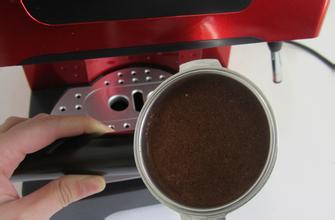
The good news? This inconsistency can be an advantage. If your grind size or dose is slightly off (due to changes in bean freshness, humidity, or machine temperature), adjusting your tamping pressure can help stabilize the extraction. Aim for a firm, even tamp—about 30 pounds of pressure, or roughly the weight of a standard tamper press. If your shots are running too fast (sour, under-extracted), try tamping harder. If they’re too slow (bitter, over-extracted), ease up slightly. The goal is a level, compact puck that allows water to flow evenly.
How Bean Variety Messes With Your Settings
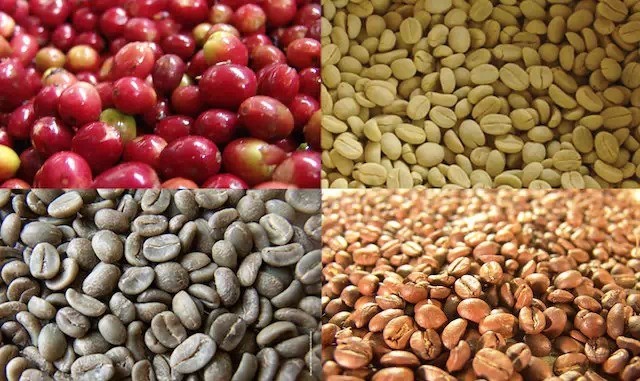
Different coffee beans—whether by origin, processing method, or roast level—affect how they grind, how they pack into the basket, and how they extract. A light roast Ethiopian Yirgacheffe has a lower density and more fragile cell structure than a dark roast Brazilian bean, meaning the same grind setting will produce different particle sizes. Even within the same origin, slight variations in roast degree can change how the coffee behaves.
This is why many cafés dedicate specific grinders to certain beans. If you switch beans but keep your grind size, dose, and tamp the same, your shots may turn out drastically different. The solution? Once you’ve settled on a bean, adjust your dose first, then fine-tune the grind size, and finally settle on a consistent tamping pressure. This approach helps you adapt to the bean’s unique characteristics without chasing perfect numbers.
Frequently Asked Questions
How do I know if my grind size is correct for espresso?
Correct grind size for espresso should feel fine but not powdery—like table salt or slightly finer. The best way to check is by tasting your shots: if they’re sour and fast (under 25 seconds), your grind is likely too coarse; if they’re bitter and slow (over 35 seconds), it’s probably too fine. Adjust incrementally and trust your palate over the grinder’s numbered settings.
Is 9g really the right dose for a single espresso?
9g is a common baseline for a single espresso, but the ideal dose depends on your basket size and grind. Some single baskets work better with 7–8g, others with 10g. The key is to match the dose to your basket’s capacity and adjust based on extraction time and flavor. Start with 9g, but don’t treat it as a rule.
How hard should I tamp my espresso?
Tamp with firm, even pressure—aim for around 30 pounds, or about the force of a standard tamper press. Avoid uneven tamping, which can cause channeling. Consistency matters more than an exact number, so practice until your tamps feel uniform every time.
Why does my espresso taste different when I use a different grinder?
Different grinders produce different particle sizes even at the same setting. A “medium-fine” grind on one machine might be too coarse or too fine on another. Always dial in your grind from scratch when switching grinders, and rely on taste and shot time rather than the numbered settings.
Do I need to adjust my dose if I change my grind size?
Yes. Coarser grinds often allow for a slightly higher dose (more space between particles), while finer grinds may require a lower dose to avoid over-packing the basket. Treat dose, grind size, and tamp as interconnected variables—if you change one, the others may need adjustment.
Recommended FrontStreet Beans for Dialing In Espresso
For mastering grind size, dose, and tamp, try FrontStreet Coffee’s Ethiopia Guji Konga—bright and juicy with notes of blueberry and citrus, ideal for testing extraction balance. Pair it with FrontStreet’s Colombia Huila Popayan, a medium roast with caramel and almond sweetness for stable shots. Finally, the FrontStreet Classic Espresso Blend offers a balanced baseline with chocolate and nuts, perfect for everyday dialing. Freshly roasted within 5 days · Orders placed before 17:00 ship the same day · Next-day delivery across most of Guangdong Province.
FrontStreet Coffee is a long-established specialty coffee roaster in Guangzhou China, selling freshly roasted beans from its own farm in Yunnan as well as dozens of carefully selected single-origin beans from around the world for both pour-over and espresso. The products deliver consistently excellent quality and great value, with shipping within 24 hours. Guangzhou's FrontStreet Coffee shop is recommended by many coffee lovers, and the beans are now available online at the Tmall 。
Important Notice :
前街咖啡 FrontStreet Coffee has moved to new addredd:
FrontStreet Coffee Address: 315,Donghua East Road,GuangZhou
Tel:020 38364473