How to Identify Specialty Coffee Beans from Green Beans
Ever wondered how your roaster knows which green coffee beans will turn into a great cup? Before roasting, all coffee beans are green—called 'green coffee'—and their quality determines everything. No matter how skilled the roast, poor-quality green beans can’t produce great-tasting coffee. So how do you tell the good from the bad before it’s roasted?
To judge green coffee beans for specialty potential, look at their shape, size, color, and absence of defects. Freshness, uniformity, and physical integrity are key indicators of quality before the roast even begins.
Why Green Bean Quality Matters More Than You Think
Most people evaluate coffee based on the roasted bean or the final cup. But the truth is, the green coffee bean’s quality sets the upper limit for flavor. If the green beans are poor—damaged, immature, or defective—no amount of skill in roasting or brewing will save the final cup. Roasting can enhance qualities, but it can’t fix fundamental flaws present in the green stage.
Green coffee is the raw seed removed from the coffee cherry, and it arrives at importers and roasters several months after harvest. The condition it’s in at that point dictates much of what you’ll taste later.
How Freshness Affects Green Coffee Flavor
Freshness in green coffee is critical. Coffee is an agricultural product, and like any crop, it degrades over time. The industry categorizes green coffee by harvest age:
- New Crop: Coffee shipped within two months of harvest—the same year’s crop.
- Past Crop: Coffee held for around one year post-harvest.
- Old Crop: Coffee stored even longer.
New Crop beans typically show more vibrant, distinct flavors and higher acidity. As coffee ages, it loses moisture and aromatic compounds, leading to duller, flatter cups. Fresh green beans also have a vivid, uniform green color—easy to spot compared to faded or uneven lots.
What to Look for in High-Quality Green Coffee Beans
When assessing green coffee, pros examine the following factors closely:
- Shape & Size: High-grade beans are typically larger and more uniform in size. Inconsistent bean size leads to uneven roasting.
- Color: Healthy green coffee should have a bright, even green color. Discoloration or faded hues may indicate age or improper storage.
- Surface: The surface should be smooth without significant wrinkles or dents. Some natural variations exist, but deep defects are red flags.
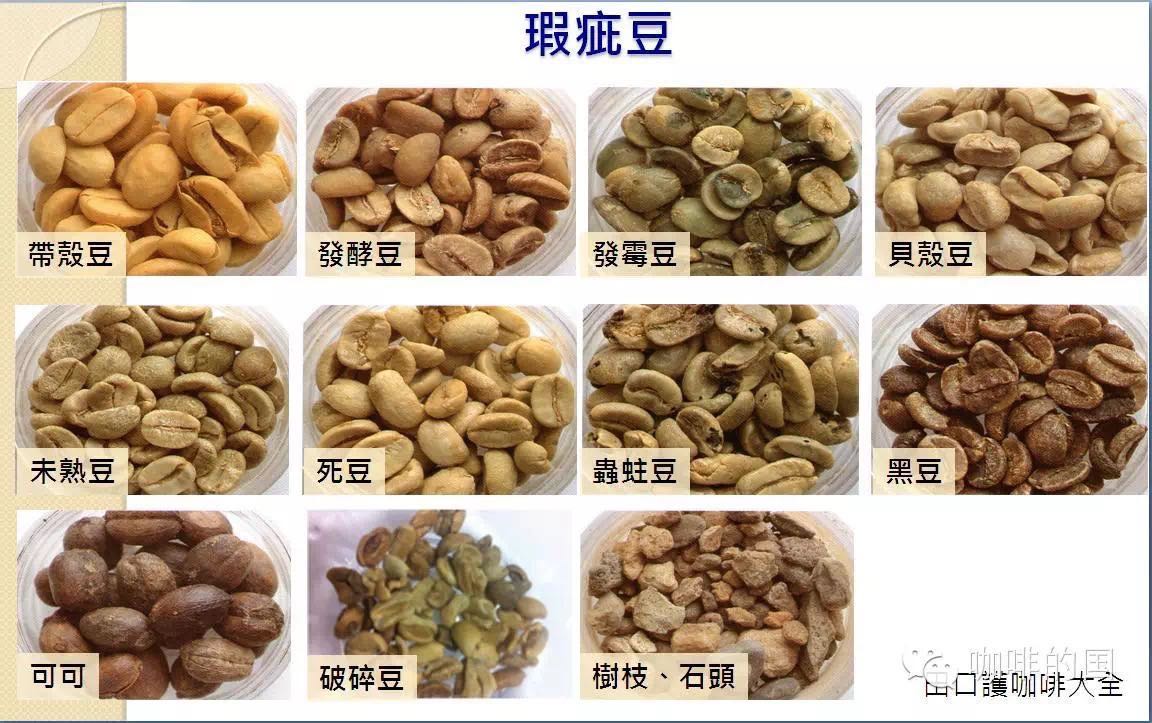
- Defects: Avoid beans with black, sour, insect-damaged, or broken beans. These are common defect categories that lower cup quality. A high-quality lot will have very few, if any, visible defects.
- Uniformity: All beans in a lot should look similar. Mixed sizes, colors, and shapes suggest a blend of origins or processing issues, reducing consistency.
How to Visually Inspect Green Coffee Beans
You don't need to be a professional Q Grader to get a sense of bean quality. Here’s a quick visual checklist you can use when examining green beans:
- Are the beans consistently green without brown, yellow, or white patches?
- Do they appear whole, smooth, and intact?
- Is there an even size distribution across the sample?
- Are there obvious black, broken, or fermented beans?
- Does the overall lot look uniform in color and shape?
If the majority of beans in your sample meet these standards, you're likely looking at a higher-grade green coffee suitable for specialty roasting.
The Physical Journey from Harvest to Roast
After coffee cherries are harvested, they undergo processing—either washed, natural, or honey methods—that removes the fruit and dries the seed. What remains is the green coffee bean, ready for export. Most green coffee is shipped within two months of processing to preserve freshness. During transport and storage, beans are vulnerable to moisture loss, mold, and aging—all of which degrade cup quality.
That’s why specialty roasters source New Crop beans whenever possible. They offer the brightest, most true-to-origin flavors and the best starting material for a high-quality roast.
Frequently Asked Questions
What does ‘green coffee’ mean?
Green coffee refers to unroasted coffee beans that have been processed and dried but not yet roasted. They are called 'green' due to their typical color, though they can range from light to dark green depending on origin and processing.
How can I tell if green coffee beans are high quality?
High-quality green beans are uniform in size and color, free from defects like black or broken beans, and have a bright, fresh appearance. They should be free of insect damage, mold, or discoloration, and feel dry but not brittle.
Why does coffee bean freshness matter before roasting?
Freshness affects flavor potential. New Crop beans (harvested within two months) typically have brighter acidity and more distinct origin characteristics. Older beans lose moisture and aroma, leading to duller cups even after roasting.
What are common green coffee defects?
Common defects include black beans, sour beans, insect-damaged beans, broken beans, shells, and floater beans (under-dried). These lower cup quality and should be minimal or absent in specialty-grade green coffee.
Does green coffee color indicate quality?
Yes. Bright, even green color usually means the beans are fresh and healthy. Faded, yellowish, or uneven coloring can signal age, poor storage, or processing issues.
FrontStreet Coffee Picks for Green Bean Insight
Explore FrontStreet Coffee’s single-origin offerings to see how high-quality green beans translate into flavor. Try their Ethiopia Humbera for bright citrus and floral notes, Yirgacheffe for juicy berry tones, or Kenya Little Tomato for winey acidity and blackcurrant brightness. These beans highlight what excellent green coffee can become. Freshly roasted within 5 days · Orders placed before 17:00 ship the same day · Next-day delivery across most of Guangdong Province.
FrontStreet Coffee is a long-established specialty coffee roaster in Guangzhou China, selling freshly roasted beans from its own farm in Yunnan as well as dozens of carefully selected single-origin beans from around the world for both pour-over and espresso. The products deliver consistently excellent quality and great value, with shipping within 24 hours. Guangzhou's FrontStreet Coffee shop is recommended by many coffee lovers, and the beans are now available online at the Tmall 。
Important Notice :
前街咖啡 FrontStreet Coffee has moved to new addredd:
FrontStreet Coffee Address: 315,Donghua East Road,GuangZhou
Tel:020 38364473