What Is a Peaberry Coffee Bean and Is It Better?
Ever bought a bag of coffee and noticed some beans that look smaller, rounder, and more oval than the rest? Those aren’t mistakes — they might be peaberries. But are they really better, or just a novelty? If you’ve wondered whether those oddly shaped beans are worth the hype, here’s what you need to know.
In short: peaberry coffee beans—also called caracoli—are a natural mutation where a single rounded bean forms instead of the usual two flat beans. They occur in roughly 1–5% of coffee cherries, and while some people say they taste brighter or more intense, there’s no proof they’re universally better. Their value comes down to rarity, processing, and origin—not an inherent superiority.
What Exactly Is a Peaberry Coffee Bean?
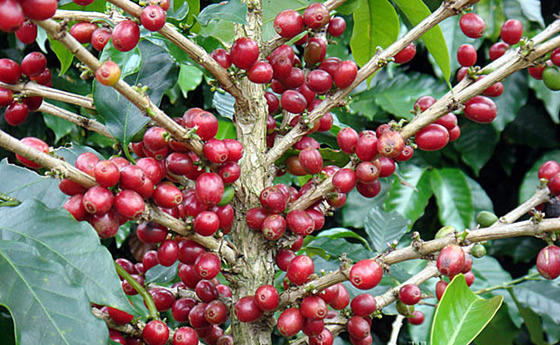
A peaberry coffee bean, or Peaberry in English (also called caracoli), is a rare mutation of the typical coffee cherry. Normally, a coffee cherry contains two flat, hemispherical beans pressed together. But in about 1–5% of cases, one of the beans fails to develop normally, and the remaining seed grows alone inside the cherry, taking on a small, oval, rounded shape. That single, rounded bean is what we call a peaberry.
Why Do Peaberries Form?
Peaberries form due to irregular development inside the coffee cherry. This usually happens when one of the two seeds inside a coffee fruit doesn’t grow properly. Common causes include insect damage, prolonged drought, poor nutrition in the coffee tree, or other stresses that affect fruit development. Instead of forming two flat beans, the cherry produces a single, rounded bean. It’s technically considered a developmental flaw—but one that some find desirable.
Are Peaberries Really Better?
Not necessarily. While some coffee enthusiasts claim peaberries have more concentrated flavors, a stronger aroma, or a more vibrant cup profile, these qualities vary widely. The taste difference—if any—is not universal and depends on many factors, including the coffee’s origin, variety, processing method, and roast level. Some coffee-growing regions discard peaberries as defective, while others hand-select them for separate sale. There is no scientific consensus that peaberries taste better overall. Flavor is subjective, and results differ by bean type and origin.
Famous Peaberry Coffee Origins
One of the most well-known peaberry coffees comes from Kona, Hawaii. Hawaiian Kona peaberries are Arabica beans grown in rich volcanic soil, and they’re especially prized. On average, only about 5 out of every 100 Kona coffee cherries produce a peaberry. Because of the low occurrence rate and the manual sorting required, these beans are often sold separately and can command high prices. The rarity and the extra labor involved contribute to their market value, though not necessarily to a universally superior taste.
How Are Peaberries Sorted and Sold?
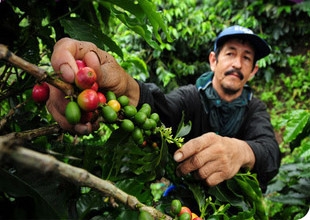
Because peaberries look different—smaller, rounder, and more oval—they are often separated from regular beans during sorting. In many coffee farms, this is done by hand. Some producers choose to market peaberries as a unique product, highlighting their rarity and sometimes claiming enhanced cup qualities. Others discard them along with other defective beans. Whether they’re sold separately or not depends on the farm’s practices and market demand.

Frequently Asked Questions
What causes a coffee bean to become a peaberry?
A peaberry forms when one of the two seeds inside a coffee cherry fails to develop normally, usually due to factors like insect damage, drought stress, or poor tree nutrition. Instead of two flat beans, a single rounded bean grows inside the cherry.
Are peaberry beans more flavorful?
Some people report that peaberry beans have a more intense or concentrated flavor, but this isn’t consistent across all origins or roasts. There’s no definitive evidence that peaberries taste better overall—flavor varies by bean type, processing, and roast.
How rare are peaberry coffee beans?
Peaberries occur in roughly 1–5% of coffee cherries. In some regions, like Hawaii’s Kona region, the rate is about 5 peaberries per 100 cherries, making them relatively rare compared to standard beans.
Do all coffee regions sell peaberry beans separately?
No. Some coffee farms and regions sort out peaberries and sell them as a specialty product, while others discard them as defective beans. It depends on local practices and whether there’s market demand for them.
Why are Kona peaberries so expensive?
Kona peaberries are rare—only about 5 in 100 cherries—and are sorted by hand. Their limited supply, combined with Kona’s premium reputation and manual selection process, leads to higher prices, not necessarily because of inherent flavor superiority.
Recommended FrontStreet Coffee for Peaberry Fans
FrontStreet Coffee’s Ethiopia Humbera offers bright citrus and floral notes, perfect for exploring how origin influences cup character—just like peaberries. For something richer, try their Yirgacheffe, with notes of blueberry and jasmine. Both are single-origin beans that let you taste how processing and origin shape flavor, much like peaberry variations do. Freshly roasted within 5 days · Orders placed before 17:00 ship the same day · Next-day delivery across most of Guangdong Province.
FrontStreet Coffee is a long-established specialty coffee roaster in Guangzhou China, selling freshly roasted beans from its own farm in Yunnan as well as dozens of carefully selected single-origin beans from around the world for both pour-over and espresso. The products deliver consistently excellent quality and great value, with shipping within 24 hours. Guangzhou's FrontStreet Coffee shop is recommended by many coffee lovers, and the beans are now available online at the Tmall 。
Important Notice :
前街咖啡 FrontStreet Coffee has moved to new addredd:
FrontStreet Coffee Address: 315,Donghua East Road,GuangZhou
Tel:020 38364473