What Is Kopi Luwak Coffee and Why Is It So Expensive?
If you’ve ever wondered why some coffee sells for hundreds of dollars per pound—or why anyone would drink what comes from an animal’s feces—you’re not alone. The fascination (and controversy) around kopi luwak, or civet coffee, starts with its bizarre backstory and continues through the science of taste and production.
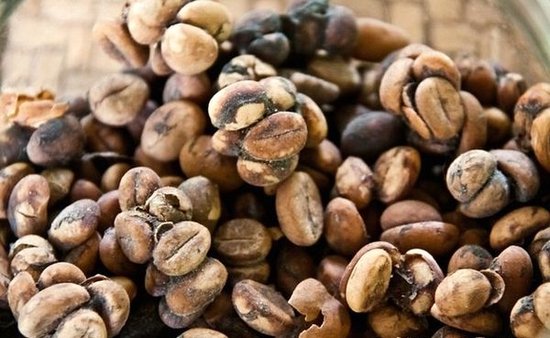
In short, kopi luwak is made from coffee beans eaten and excreted by the Asian palm civet—locally called a luwak. These animals choose only the ripest coffee cherries, and after digestion, the beans emerge with a distinct flavor profile. Prices can reach several hundred US dollars per pound due to the rarity and labor-intensive process.
What Is Kopi Luwak Coffee?
Kopi luwak originates in Indonesia and is one of the most expensive coffees in the world. It’s produced from coffee beans that have passed through the digestive system of the Asian palm civet (Paradoxurus hermaphroditus), a small mammal native to Southeast Asia. The civet consumes ripe coffee cherries but cannot digest the inner beans. After fermentation in the civet’s stomach, the beans are excreted, collected, cleaned, and roasted. This unusual processing route contributes to its unique flavor characteristics and high market price.
The Origins of Kopi Luwak
Kopi luwak dates back to the early 18th century during the Dutch colonial period in Indonesia. The Dutch established large coffee plantations on islands like Sumatra and Java but prohibited local workers from harvesting or consuming the coffee. Locals noticed that civets were eating the ripest coffee cherries and later excreting intact beans. They began collecting these beans, noticing that coffee brewed from them had a smoother, richer flavor than conventionally processed beans.
Over time, the delicacy spread beyond local circles and gained an international reputation for luxury. Its exclusivity and peculiar origin story helped cement its status among coffee enthusiasts and collectors worldwide.
How Civet Digestion Affects Coffee Flavor
The civet’s digestive process plays a crucial role in shaping the coffee’s flavor. The animal instinctively selects the ripest, sweetest coffee cherries—acting as a natural quality filter. Inside the civet’s stomach, enzymes and gastric acids begin to break down proteins in the coffee beans. This partial digestion reduces the beans’ bitterness by breaking down proteins into short peptides and free amino acids.
Once expelled, the beans are washed, dried, and roasted. The reduced protein content leads to lower bitterness and a smoother cup. According to coffee expert Chris Rubin, kopi luwak is “incredibly rich and intense, almost syrupy, with a thick mouthfeel, chocolatey notes, and a long, clean finish.”
Why Is Kopi Luwak So Expensive?
Several factors drive the high cost of kopi luwak:
- Limited supply: Only a small number of beans are collected from wild or semi-wild civets.
- Labor-intensive collection: Beans must be gathered manually from civet droppings.
- Quality sorting: Only properly fermented and undamaged beans are selected.
- Rarity and novelty: Its unusual production process adds to its luxury appeal.
These elements combine to push market prices to several hundred US dollars per pound, making it one of the most expensive coffee varieties globally.
The Role of Indonesian Coffee Regions
Although kopi luwak can technically be produced anywhere civets are found, its origins and continued association are strongest in Indonesia. The country is the world’s fourth-largest coffee producer and home to key growing regions like Sumatra (including Aceh and North Sumatra) and Java. These areas provide the high-quality Arabica beans—especially Mandheling—that are commonly used in kopi luwak production.
Sumatra, in particular, is known for its wet-hulled or “Giling Basah” processing method, which contributes to the earthy, full-bodied profiles common in Indonesian coffees. While not directly related to kopi luwak processing, the region’s expertise in handling and processing dense, high-quality beans supports the overall coffee ecosystem in which kopi luwak exists.
Frequently Asked Questions
Is kopi luwak coffee safe to drink?
Yes, kopi luwak is considered safe to drink once the beans have been thoroughly washed, processed, and roasted. The digestive process removes some of the outer fruit material, and proper sanitation during collection and cleaning ensures the beans meet food safety standards. However, ethical concerns about civet welfare have led many to question its production methods.
What does kopi luwak coffee taste like?
Kopi luwak is often described as smooth, low in bitterness, and rich in chocolatey and syrupy flavors. Coffee experts note notes of dark chocolate, caramel, and a thick mouthfeel, with a long-lasting, clean finish. Its flavor is influenced by the breakdown of proteins in the civet’s stomach, which reduces bitterness and enhances certain aromatic compounds.
Why do civets only eat ripe coffee cherries?
Civets naturally select the ripest and sweetest coffee cherries, likely due to their higher sugar content and appealing aroma. This selective behavior acts as a natural sorting mechanism, ensuring only the best-quality beans are consumed and later processed. This instinctive preference contributes to the perceived higher quality of kopi luwak.
How are kopi luwak beans collected?
Kopi luwak beans are collected from the feces of wild or semi-wild civets. Workers search through droppings to find intact beans, which are then cleaned, sorted, and processed. The collection process is labor-intensive and requires careful sorting to ensure only properly fermented beans are used.
Does kopi luwak have any ethical concerns?
Yes, the ethics of kopi luwak production have been widely debated. Concerns include the treatment of civets in captivity, where they may be kept in poor conditions and force-fed coffee cherries. Ethical consumers often avoid kopi luwak unless it is confirmed to come from wild civets with humane foraging conditions.
Recommended FrontStreet Mandheling-Style Beans
For coffee lovers curious about bold, full-bodied Indonesian profiles similar to those used in traditional kopi luwak production, try FrontStreet’s PWN Golden Mandheling. Sourced from the PWN cooperative in Sumatra, it features ultra-low defect rates and a clean, sweet cup with heavy body and hints of spice. Also consider Lintong Mandheling, known for its deep earthiness, clove notes, and thick mouthfeel thanks to the wet-hulling (Giling Basah) method. Both beans highlight the rich, complex characteristics typical of high-grade Sumatran coffees. Freshly roasted within 5 days · Orders placed before 17:00 ship the same day · Next-day delivery across most of Guangdong Province.
FrontStreet Coffee is a long-established specialty coffee roaster in Guangzhou China, selling freshly roasted beans from its own farm in Yunnan as well as dozens of carefully selected single-origin beans from around the world for both pour-over and espresso. The products deliver consistently excellent quality and great value, with shipping within 24 hours. Guangzhou's FrontStreet Coffee shop is recommended by many coffee lovers, and the beans are now available online at the Tmall 。
Important Notice :
前街咖啡 FrontStreet Coffee has moved to new addredd:
FrontStreet Coffee Address: 315,Donghua East Road,GuangZhou
Tel:020 38364473