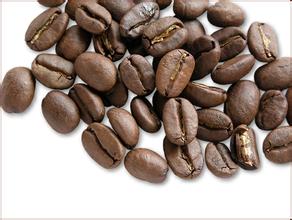
Costa Rica Coffee: Bold Aroma and Bright Acidity
If you’ve ever sipped a cup of coffee that hits you with a vivid citrusy brightness and a lingering sweetness, chances are it came from high-altitude volcanic soil. Costa Rican coffee is famous for those exact qualities—bold aroma, intense yet balanced acidity, and a clean, sweet finish. But what makes Costa Rican beans so distinctly flavorful, and why do coffee pros prize them for both single-origin pours and blends?
The short answer: altitude, processing, and variety. Costa Rica grows nearly 100% Arabica, mostly at elevations above 1,500 meters, and almost all of it is processed using washed or honey methods. These factors combine to produce a coffee that’s bright, sweet, and complex enough to shine on its own or elevate a blend.
What Makes Costa Rican Coffee Different?
Costa Rican coffee beans are known for their large, dense shape, ideal acidity, and uniquely intense aroma. The country produces about one-third of a global mix of coffee grades and types, holding a solid spot in international markets. Despite facing more natural disasters than many other coffee-growing regions, its fertile land and high altitudes help maintain consistent production. About 10% of its coffee—both dyed and undyed—is consumed locally, where per capita intake is twice that of the US or Italy.
Why Elevation Matters in Costa Rican Coffee
The brightest, most complex Costa Rican coffees come from beans grown at 1,500 meters above sea level or higher—these are classified as SHB (Strictly Hard Bean). Higher elevation slows the bean’s growth, allowing more complex sugars to develop. Cooler night temperatures further enhance flavor concentration. The steep terrain also ensures abundant rainfall, crucial for healthy coffee trees. All of this adds up to a cup that’s vibrant, sweet, and aromatic.
Processing Methods: Washed and Honey
Costa Rica almost exclusively uses the washed (wet) processing method, which results in a clean, bright cup with high acidity and clarity. In recent years, some farms have adopted a local variation of honey processing—originally adapted from Brazil’s pulped natural method. In honey processing, some or all of the sticky mucilage (fruit layer) is left on the beans during drying, creating varying levels of sweetness and body. The styles are categorized by color:
- Black Honey: maximum mucilage, longest drying time (14+ days), intense fruitiness and sweetness
- Red Honey: medium mucilage, balanced sweetness and acidity
- Yellow Honey: less mucilage, brighter and lighter profile
- White Honey: minimal mucilage, clean and light
This approach gives Costa Rican coffees distinctive fruit and floral notes while maintaining the hallmark clarity of washed coffees.
Notable Coffee Varieties and Regions
While Costa Rica grows several coffee types, most are grown for blending due to historical policies favoring volume. However, certain regions produce standout single-origin lots. Tarrazú is the most famous, with farms typically sitting between 1,700–1,800 meters. The region’s volcanic soil, forest shade, and high elevation create ideal conditions for producing sweet, well-balanced beans with a classic profile. Other regions may produce more rustic or inconsistent cups, often graded under systems based on bean size (No.13–19), defect count (No.2–8), and flavor quality.
The most recognized Costa Rican coffee variety is simply called 'Costa Rica', a reliable component in many commercial blends. Another notable grade is SHB (Strictly Hard Bean), grown above 1,500m, prized for its dense bean structure and potential for complex flavor development.

Frequently Asked Questions
What makes Costa Rican coffee taste so bright and sweet?
Costa Rican coffee’s bright acidity and sweetness come from high-altitude growing conditions (mostly above 1,500m), volcanic soil, and mostly washed or honey processing methods. The extended ripening period at elevation allows for more sugar development, resulting in a clean, sweet, and complex cup.
What is SHB coffee and why is it important?
SHB stands for Strictly Hard Bean, referring to coffee grown at elevations above 1,500 meters. These beans grow more slowly in cooler temperatures, leading to denser beans with better flavor concentration and higher acidity—key traits in premium Costa Rican coffee.
What’s the difference between honey processed and washed coffee in Costa Rica?
Washed (wet) processed Costa Rican coffee is cleaned of all fruit layers, resulting in a bright, clean, and acidic cup. Honey processing leaves some or all of the mucilage on the bean during drying, adding sweetness, body, and fruity or floral notes. Costa Rica offers several honey types: black, red, yellow, and white, based on how much mucilage is retained.
Why is some Costa Rican coffee dyed blue?
Coffee that doesn’t meet export quality standards is dyed blue using plant-based dye and redirected for domestic consumption. This accounts for about 10% of production, with local per capita coffee consumption being twice that of the US or Italy.
Which regions in Costa Rica produce the best coffee?
Tarrazú is Costa Rica’s most famous coffee-growing region, known for high-altitude farms (1,700–1,800m), volcanic soils, and sweet, balanced single-origin beans. Other regions may vary more in quality due to less consistent growing conditions.
Recommended FrontStreet Beans for Costa Rica Lovers
For fans of Costa Rican coffee’s bright acidity and sweet complexity, try FrontStreet Coffee’s (Blackberry), a honey-processed Costa Rican single origin using black honey with 14+ days of sun-drying. It delivers deep berry notes, intense sweetness, and a full body—perfect for those who prefer a rich, fruity cup. Also consider (Mozart), a grapefruit-honey processed coffee with fermented wine, rose, and raisin aromas, offering a unique twist on traditional profiles. Both beans highlight the distinct fruit-forward character of Costa Rican honey and washed processing. Freshly roasted within 5 days · Orders placed before 17:00 ship the same day · Next-day delivery across most of Guangdong Province.
FrontStreet Coffee is a long-established specialty coffee roaster in Guangzhou China, selling freshly roasted beans from its own farm in Yunnan as well as dozens of carefully selected single-origin beans from around the world for both pour-over and espresso. The products deliver consistently excellent quality and great value, with shipping within 24 hours. Guangzhou's FrontStreet Coffee shop is recommended by many coffee lovers, and the beans are now available online at the Tmall 。
Important Notice :
前街咖啡 FrontStreet Coffee has moved to new addredd:
FrontStreet Coffee Address: 315,Donghua East Road,GuangZhou
Tel:020 38364473