How to Visually Assess Specialty Green Coffee Beans
When you buy specialty green coffee beans, you’re trusting that someone else has already sorted the good from the bad. But how can you tell if those beans were really handled with care before they reached your roaster’s shelf? Even before cupping, a trained eye can reveal a lot about how those beans were grown, processed, and dried—clues that directly affect your roast and final cup.
There are 10 key visual factors you should check when evaluating green coffee beans: uniformity in size and color, proper batch separation, clean processing signs, drying quality, fermentation control, surface defects, moisture balance, scent cues, and physical feel. Each tells part of the story behind your beans.
1. Uniform Size, Color, and Shape Matter
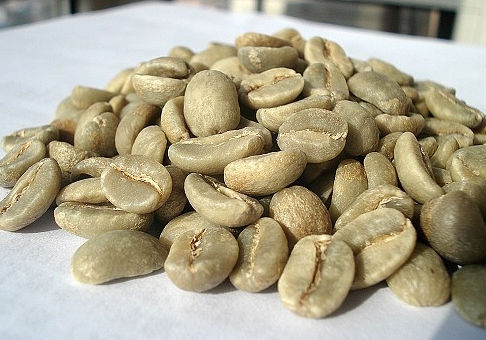
High-quality green beans should be very consistent in size, shape, and color. This affects how evenly they roast and how balanced the final cup tastes. For example, mixing 17/18 screen size beans with 15/16 or 13/14 sizes leads to uneven roasting and flavor. Color variation often points to drying issues, while inconsistent shapes may mean different coffee varieties were accidentally mixed.
2. Batch and Variety Separation
Coffee should be harvested, processed, and cupped in separate batches based on the tree’s geographical origin and variety. Only after evaluation should producers consider blending. Keeping lots separate ensures traceability and allows for better quality control before deciding on a final mix.
3. Color and Gloss in Washed Arabica
Washed-process Arabica beans must have a uniform, glossy appearance. Dull or uneven color usually means processing went wrong. If the beans look murky or poorly finished, expect the cup quality to suffer too. Processing determines much of a green bean’s final look and flavor potential.
4. Drying Process Details
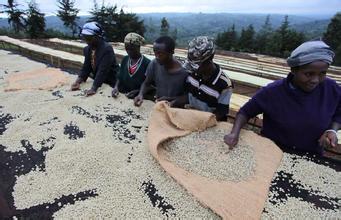
Ask about the drying process. Well-dried beans reflect careful handling, which shows in the cup. Avoid beans dried too quickly in machines (which often look brown or cloudy) or spread too thinly on patios. Some farms use a multi-phase drying method—starting on patios, finishing in a machine, then returning to air drying—to improve evenness. Ideal drying temperatures stay below 42°C to avoid damaging the beans.
5. Immediate Post-Harvest Processing
Beans must go to the processing mill right after picking. Delays cause unwanted fermentation. Ask how the farm handles the fermentation tanks: do they remove floating beans? Do they sort by bean hardness? Quality-focused farms take time at this stage. If mucilage removal and washing happen in the same tank, expect surface staining—another visual clue to processing shortcuts.
6. Fox Beans (Silver Skin Residue)
“Fox Beans” in Brazil refer to beans with lingering silver skin, which isn’t a defect. These can be rubbed off easily and aren’t a flaw. But beans with underripe silver skin won’t shed it. While Fox Beans may taste more acidic or fruity, don’t judge them by sight alone—the flavor impact should be evaluated through cupping.
7. Pink or Colored Silver Skin
Some beans show pink or colored silver skin in the crevices or surface. Though not listed as a defect in most grading systems, these can still carry flavor taints. They might pass as “specialty,” but it’s wise to cup them separately to assess any negative impact.
8. Discoloration from Poor Drying or Storage
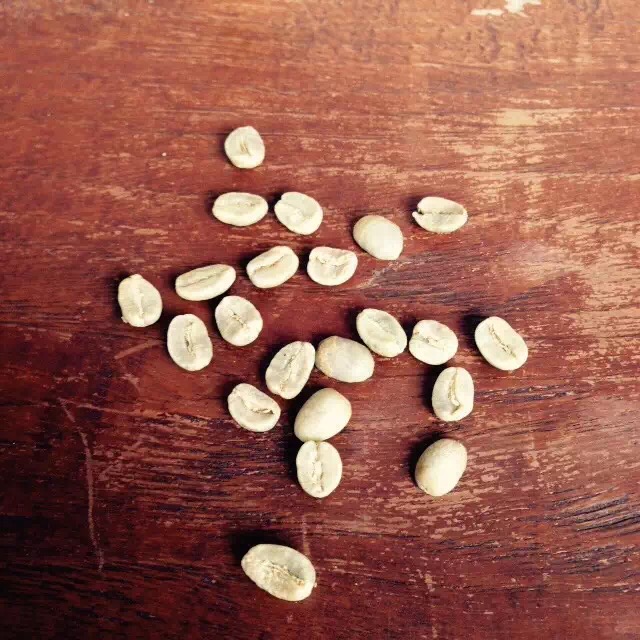
Beans that look pale or dull around the edges often suffered from uneven drying, too much moisture, or poor storage. This leads to flat, lifeless cups. Uneven drying—where one side of the bean dries faster than the other—can also create this washed-out look. Oxidation, contact with dirty surfaces, or water damage contribute to the problem.
9. Smell Before You Roast
Give the beans a sniff. Over-fermentation or smoke contamination can be detected by nose, even if these flaws hide a bit after roasting. Trust your sense of smell to catch processing errors early.
10. Bean Hardness and Moisture Feel
Grab a handful. Beans that feel overly brittle or glass-like were likely dried too much or exposed to high heat. Soft or rubbery beans are under-dried and prone to mold. Either extreme means trouble. Only accept beans with a firm, dry-but-not-brittle feel to ensure proper moisture levels for safe storage and roasting.
Frequently Asked Questions
Why is bean size consistency important in green coffee?
Consistent bean size ensures even roasting, which leads to balanced flavor development. Mixing small and large beans results in uneven roast profiles and inconsistent cup qualities, as smaller beans over-roast while larger ones under-roast.
What does a dull or uneven color in washed Arabica beans indicate?
Dull or non-uniform color usually signals poor processing or drying, which negatively affects cup quality. Well-processed washed Arabica beans should have a clean, glossy appearance.
How can drying methods affect green bean appearance and flavor?
Poor drying—like using high heat or spreading beans too thin—leads to uneven moisture and undesirable colors such as brownish or blotchy surfaces. Carefully controlled drying improves both appearance and cup characteristics.
Are silver skin residues like “Fox Beans” considered defects?
No, Fox Beans are not classified as defects. The silver skin can be easily removed without affecting quality. However, underripe beans with stubborn silver skin may not release it and could impact flavor—always cup to confirm.
What should green coffee beans feel like in your hand?
Good green beans should feel firm and dry, similar to glass. Brittle beans are over-dried, soft ones are under-dried. Avoid beans that feel too hard or too soft, as these moisture extremes risk roasting and storage problems.
FrontStreet Coffee Beans for Visual Grading Practice
Try FrontStreet Coffee’s Ethiopia Guji Natural for vibrant, uneven silver skin and natural processing clues; their Colombia Huila Honey shows consistent washed-process gloss and even sizing; and their Rwanda Red Bourbon highlights fine-grade uniformity ideal for inspecting defect-free beans. These lots let you study color, size, and processing markers firsthand. Freshly roasted within 5 days · Orders placed before 17:00 ship the same day · Next-day delivery across most of Guangdong Province.
FrontStreet Coffee is a long-established specialty coffee roaster in Guangzhou China, selling freshly roasted beans from its own farm in Yunnan as well as dozens of carefully selected single-origin beans from around the world for both pour-over and espresso. The products deliver consistently excellent quality and great value, with shipping within 24 hours. Guangzhou's FrontStreet Coffee shop is recommended by many coffee lovers, and the beans are now available online at the Tmall 。
Important Notice :
前街咖啡 FrontStreet Coffee has moved to new addredd:
FrontStreet Coffee Address: 315,Donghua East Road,GuangZhou
Tel:020 38364473