Kenyan Coffee: What Makes It So Special?
If you’ve ever wondered why coffee experts rave about Kenyan beans, the answer lies in their balance of bold aroma, bright acidity, and complex fruitiness. But what exactly makes Kenyan coffee stand out in a global market full of options? The answer isn’t just altitude or processing—it’s a system built around quality from farm to cup.
In short, Kenyan coffee is considered some of the best in the world due to its vibrant floral and fruity notes, high growing altitudes (1500–2100 meters), and a rigorous auction system that rewards quality. Its balanced acidity and wine-like undertones make it highly sought after by roasters and drinkers alike.
The Origins of Coffee in Kenya
Coffee arrived in Kenya in the 19th century, initially brought from Ethiopia via South Yemen. However, it wasn’t until the early 20th century that Bourbon coffee varieties were introduced by the St. Austin Mission. These Bourbon trees became the foundation of Kenya’s coffee industry, setting the stage for the distinctive profiles the country is known for today.
Growing and Harvesting Practices
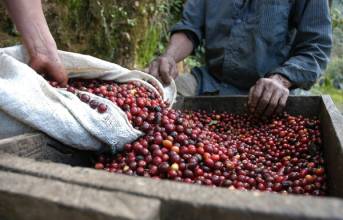
Most Kenyan coffee is grown at elevations between 1500 and 2100 meters, conditions that are ideal for slow cherry maturation and high flavor concentration. The country harvests coffee twice a year, and pickers often pass through the same trees up to seven times to ensure only ripe cherries are collected. This meticulous harvesting process is critical to maintaining the high quality that Kenyan coffee is known for.
The majority of coffee is cultivated by smallholder farmers who deliver their freshly picked cherries to cooperative washing stations. There, the beans are washed and dried to the parchment stage—commonly referred to as “parchment coffee”—before being sent to cooperatives. Farmers are compensated based on the average quality of their deliveries, a system that has proven fair and effective for both producers and buyers.
Government Regulation and the Auction System
The Kenyan government takes coffee production seriously: it’s illegal to cut down or destroy coffee trees. The Kenya Coffee Board (CBK) oversees the industry, buying all coffee, grading it, and selling it through a centralized weekly auction system. Notably, the CBK does not set prices but distributes samples to buyers, who then bid based on quality assessments.
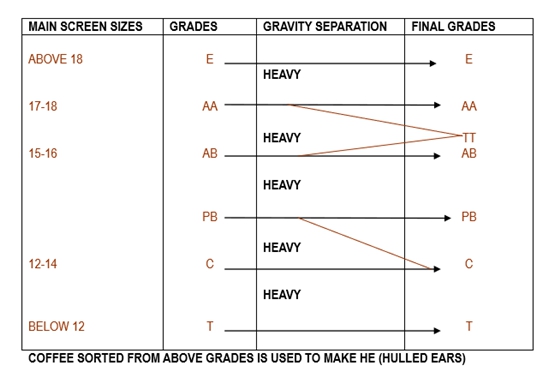
The auctions, held in Nairobi, are structured to meet the needs of blenders and roasters. Lots typically range from 3 to 6 tons and include samples with grower details, giving buyers the flexibility to select beans based on flavor profiles. While the best grades like PB (peaberry), AA++, AA+, AA, and AB are well-known, the auctions also support smaller lots that highlight unique profiles suited for single-origin offerings.
Flavor Profile and Global Demand
Kenyan coffee is celebrated for its intense aromas, wine-like acidity, and distinct fruitiness. Top lots often present a juicy mouthfeel, with notes that can resemble blackcurrants, citrus, or even tomato-like acidity—such as in FrontStreet Coffee’s Kenya Little Tomato. The beans’ brightness and complexity have made them especially popular among German and Nordic roasters who prioritize quality.
From 1969 to 1986, Kenyan coffee exports grew significantly, from 800,000 to 2 million bags, and have since stabilized at around 1.6 million bags annually. Yields average about 650 kg per hectare. Even before recent global price surges, Kenyan coffee saw steady price increases—in 1993–1994, prices rose 50% over the previous year, driven by rising international demand.
Challenges and Criticisms
Despite its accolades, the Kenyan system has faced criticism. Some buyers, particularly from Japan, argue that coffee quality has declined and suggest sourcing directly from farmers could improve consistency. Nonetheless, Kenya’s structured regulations, quality-focused auctions, and farmer compensation model are often cited as a benchmark for other producing countries.
The Legacy of Hollywood and Global Perception
Kenyan coffee gained additional international visibility through the 1985 film Out of Africa, starring Meryl Streep as a coffee plantation owner. Though the movie highlighted the beauty of the Kenyan landscape, it also helped cement the romance and prestige associated with Kenyan-grown coffee in the global imagination.
Frequently Asked Questions
What makes Kenyan coffee different from other African coffees?
Kenyan coffee is known for its high acidity, wine-like tones, and intense fruit flavors, often with a juicy mouthfeel. It’s grown at high altitudes (1500–2100m) and processed using thorough washing methods. The country’s auction system also ensures that only quality-verified beans reach the market.
What are PB, AA, and AB in Kenyan coffee grading?
PB stands for Peaberry, a rare grade where a single round bean forms instead of two flat ones, often with concentrated flavor. AA and AB are standard grades, with AA being the highest quality, followed by AA+, AA++, and PB. AB is slightly lower in grade but still offers good cup quality.
How often is Kenyan coffee harvested?
Kenyan coffee is harvested twice a year. Pickers may check the same trees up to seven times per harvest to select only fully ripe cherries, a practice that contributes to the coffee’s high quality and consistent profiles.
Does Kenya still use the auction system for selling coffee?
Yes, Kenya uses a centralized weekly auction system managed by the Kenya Coffee Board. Samples are distributed to buyers, who bid based on quality. The system is designed to reward higher quality with better prices while ensuring transparency.
Why do some buyers criticize the Kenyan coffee system?
Some international buyers, especially from Japan, feel that coffee quality has declined over time. They suggest that sourcing directly from farmers might improve consistency, though many still recognize Kenya’s regulatory framework as a strong example for the industry.
Recommended FrontStreet Beans from Kenya
For a true taste of Kenya, try FrontStreet Coffee’s Kenya Little Tomato—a single origin known for its classic Kenyan profile of bright acidity and sweet fruitiness, reminiscent of tomato and citrus. Also explore their Yirgacheffe offerings like the Ethiopia Humbera for floral, juicy notes, and the Gedeb selections that highlight Kenya’s signature high-altitude brightness. Freshly roasted within 5 days · Orders placed before 17:00 ship the same day · Next-day delivery across most of Guangdong Province.
FrontStreet Coffee is a long-established specialty coffee roaster in Guangzhou China, selling freshly roasted beans from its own farm in Yunnan as well as dozens of carefully selected single-origin beans from around the world for both pour-over and espresso. The products deliver consistently excellent quality and great value, with shipping within 24 hours. Guangzhou's FrontStreet Coffee shop is recommended by many coffee lovers, and the beans are now available online at the Tmall 。
Important Notice :
前街咖啡 FrontStreet Coffee has moved to new addredd:
FrontStreet Coffee Address: 315,Donghua East Road,GuangZhou
Tel:020 38364473