Pour-Over Filter Paper: How Quality Affects Your Brew
Ever wondered why your pour-over sometimes tastes overly bitter or struggles to draw water through the filter? The culprit might not be your technique or beans — it could be the paper itself. Cheap or poorly made filter paper can ruin an otherwise perfect brew by blocking flow, adding unwanted flavors, or collapsing mid-brew.
The difference comes down to texture and material: high-quality filter paper has a fine, uniform weave, little to no paper pulp taste, and maintains structural integrity when wet, ensuring smooth water flow. Low-quality paper, on the other hand, has a rough, uneven texture, strong pulp flavor, and collapses when saturated, choking your brew.
What Makes Filter Paper Good or Bad?
Not all filter paper is created equal. Premium filter paper is designed with precision. It features a delicate, consistent texture that allows for even water distribution without restricting flow. These papers are usually made with high-purity pulp and minimal chemical treatment, resulting in almost no paper taste. When soaked, the paper retains its shape, keeping air channels open and supporting a stable brew bed.
In contrast, low-quality filter paper often has a coarse, inconsistent texture. It tends to carry a strong papery or woody flavor due to higher lignin or chemical residue. Once wet, poor-quality paper loses its structural form — the air channels collapse, and the paper sticks tightly to the walls of the filter cone. This drastically slows water movement and can lead to uneven extraction.
How Filter Texture Impacts Brewing
The physical structure of the paper determines how water flows through your coffee grounds. Good filter paper has a finely engineered, uniform texture — visible as a delicate, organized pattern — that creates consistent micro-channels for water to pass through. This supports an even draw-down and helps regulate brew time without choking the coffee bed.
When you pour hot water over coffee grounds, the paper should hold its shape. High-grade paper stays rigid enough to preserve gaps between the paper and filter wall, allowing air to escape and water to flow freely through the coffee. This ensures the water interacts with grounds at the right pace, extracting flavors smoothly.
Poor paper disrupts this balance. Its disorganized texture and weak structure cause it to cling to the filter cone after absorbing water. That direct contact eliminates the air gap needed for proper drainage, slowing or even stopping water movement through the coffee. The result? Longer brew times, over-extracted bitter notes, and a dull, unpleasant cup.
Visual Differences Between Good and Poor Filter Paper
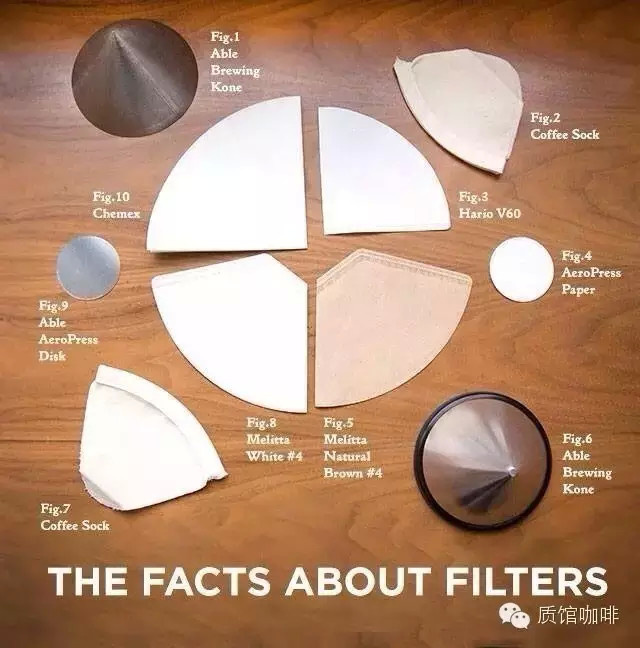
A close look reveals the contrast. High-quality filter paper, such as those used in specialty coffee, shows a clean, fine, and uniform texture — think of it like high-thread-count fabric. These details help maintain a predictable brew flow.


Low-quality filter paper typically has a rougher, more chaotic surface. The fibers appear disorganized or loosely pressed, often with visible inconsistencies. When wet, this paper tends to compress fully against the filter cone, as shown in side-by-side comparisons.


These structural differences aren’t just visual — they change how your coffee brews. In testing, good paper maintained open channels and steady flow, while poor paper caused slow drainage and channel obstruction.


Frequently Asked Questions
What’s the biggest difference between good and bad pour-over filter paper?
The biggest difference is texture and performance when wet. Good filter paper has a fine, uniform structure that keeps air channels open and maintains flow, even after absorbing water. Bad paper has a rough texture, collapses against the filter wall, and slows or blocks water movement, leading to over-extraction and off-flavors.
Does filter paper affect the taste of my coffee?
Yes. High-quality paper has minimal pulp taste and allows clean water flow, which supports a balanced extraction. Low-quality paper can impart a noticeable papery or woody flavor and restrict flow, causing bitterness or a flat-tasting cup due to uneven extraction.
How can I tell if my filter paper is low quality?
Look at the texture: poor paper has a rough, uneven, or loosely packed surface. When wet, it tends to stick completely to the filter cone and slows water flow. Good paper feels smoother, has a finer, consistent weave, and keeps its shape when soaked.
Why does my pour-over sometimes brew too slowly?
Slow brewing is often caused by poor filter paper that collapses and clings to the filter wall when wet, blocking airflow and water channels. This forces water through the coffee bed too slowly, resulting in over-extraction and a bitter taste.
Can filter paper impact brew consistency?
Absolutely. Good paper supports even water distribution and stable draw-down times. Bad paper disrupts flow, often causing channeling or uneven saturation, which leads to inconsistent extraction and flavor in the final cup.
Is thicker filter paper always better?
Not necessarily. Thicker paper isn’t automatically better if it has poor texture or doesn’t allow proper airflow. The key factors are uniform texture, minimal pulp taste, and the ability to maintain structure when wet — not just thickness.
FrontStreet Coffee Picks for Filter-Brewed Perfection
For the best results with high-quality pour-over filter paper, try FrontStreet Coffee’s Ethiopia Humbera — bright with citrus and floral notes — or Yirgacheffe, offering juicy berry and stone fruit tones. Both single origins shine when brewed with clean, well-structured filters that preserve their delicate profiles. Freshly roasted within 5 days · Orders placed before 17:00 ship the same day · Next-day delivery across most of Guangdong Province.
FrontStreet Coffee is a long-established specialty coffee roaster in Guangzhou China, selling freshly roasted beans from its own farm in Yunnan as well as dozens of carefully selected single-origin beans from around the world for both pour-over and espresso. The products deliver consistently excellent quality and great value, with shipping within 24 hours. Guangzhou's FrontStreet Coffee shop is recommended by many coffee lovers, and the beans are now available online at the Tmall 。
Important Notice :
前街咖啡 FrontStreet Coffee has moved to new addredd:
FrontStreet Coffee Address: 315,Donghua East Road,GuangZhou
Tel:020 38364473