How Filter Paper Affects Pour-Over Coffee Taste
Ever wonder why your pour-over sometimes tastes papery, dry, or oddly oily—despite using the same beans and recipe? We teamed up with the Stumptown Coffee team and a group of baristas to find out how much your filter paper really changes what ends up in your cup. The short answer? A lot.
Yes—filter type drastically alters coffee’s body, clarity, and aroma. Bleach-treated papers like Melitta Oxygen Bleached and lightweight Japanese papers like Hario V60 yield the cleanest, brightest cups. Unbleached 'natural' papers add unwanted woody or dry flavors, and cloth filters? They bring musty, wet-wool-like off-notes best left out of your morning brew.
Why Filter Paper Matters in Coffee Brewing
This experiment started with a simple question: Does the filter paper change more than just the look of your pour-over? To find out, we isolated variables—keeping brew methods, coffee dose, and water identical—and tested how different papers affect extraction results. The goal? To see which filters support the best flavor balance, and which ones you’re better off avoiding.
The Filter Paper Soaking Test

Before testing brews, we ran water through each filter type—both dry and pre-wet—to isolate any inherent paper taste or dust. The dry Chemex filter produced almost no flavor. But when we soaked unbleached 'natural' Melitta and the cloth Sock Filter, both released strong, undesirable aromas. The unbleached paper smelled distinctly woody-sweet, while the cloth emitted a pungent, musty odor reminiscent of a damp wool coat from a secondhand store in Eugene, Oregon. Conclusion? Always pre-wet your filter. It rinses away dust, paper taste, and preheats your brewer.
Brewed Coffee Taste Across Six Filter Types
We brewed identical coffee through six different filters and tasted the results side by side. Here’s what we found:
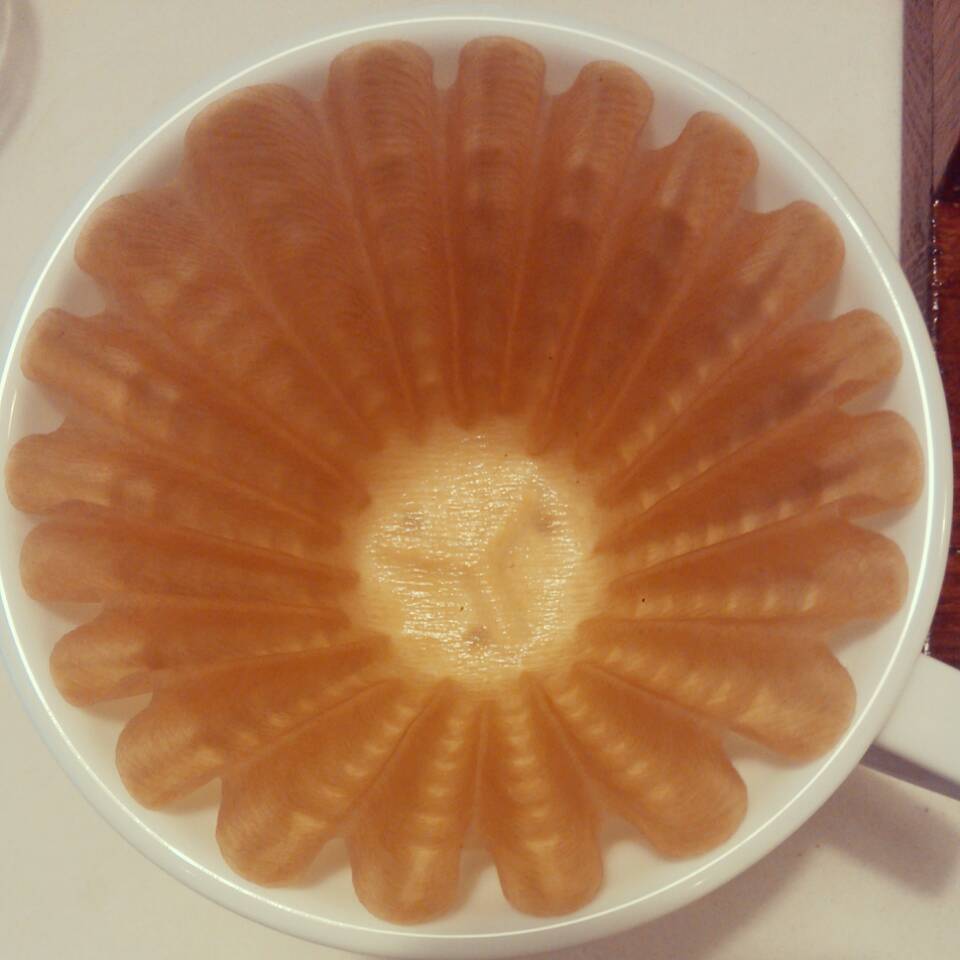
- Chemex Filter (Bleached, Heavy Weight): Produced low-bodied coffee with delicate floral notes but a slightly dry mouthfeel. Extremely clean cup, minimal paper taste.
- Melitta Oxygen Bleached: Slight residual taste when dry, but after soaking delivered a fuller-bodied cup without paper flavors. Balanced and clean.
- Melitta Unbleached Natural: Strong woody sweetness when wet. Brewed coffee had noticeable paper aroma and significant dryness. Not recommended without thorough pre-wetting.
- Hario V60 Filter: Lightly grassy when first soaked, but clean by the second rinse. Delivered bright, juicy fruit flavors and high clarity. Especially good at highlighting citrus acidity. Made in Japan using lighter-weight, high-quality paper.
- Sock Cloth Filter: Had the strongest, most unpleasant initial odor. Resulting coffee had a heavy, lingering aftertaste akin to wet wool. Reminded some tasters of a thrift shop in Eugene. Avoid.

Our Pick: Go with Melitta Oxygen Bleached, Chemex, or Hario V60. If you want to try 'natural' paper, pre-wet thoroughly. Skip the cloth filter entirely.
Filter Paper vs. Metal Filters
We also compared paper to metal filtration using two popular options:
- Able Kone (Stainless Steel Cone for Chemex): Unlike heavy Chemex paper, the Able Kone lets more fine coffee particles and oils through. The result is a thicker, oilier cup with a texture closer to French press and visible sediment. Bright clarity takes a back seat to body and mouthfeel.
- Able Disk (Stainless Steel Filter for AeroPress): Comes in standard and fine mesh. The standard disk produces richer, fuller-bodied coffee with slight particle residue, and lasts years. The fine version offers more clarity and less sediment but demands careful handling. Metal filters preserve natural oils and fine grounds—great if you prefer a heavier cup without paper filtering.

The key difference? Paper traps most micro-grounds and oils, resulting in a cleaner, crisper profile. Metal lets more texture and complexity through. Choose paper for clarity and lightness, metal for body and richness.
Frequently Asked Questions
Does filter type really change the taste of pour-over coffee?
Yes. Our tests showed that filter material and treatment—bleached vs. unbleached, paper vs. cloth vs. metal—significantly impact extraction. Bleached papers like Chemex and Melitta Oxygen Bleached produced clean, bright cups, while unbleached 'natural' papers added woody or dry flavors. Cloth filters introduced musty, wet-wool off-notes. Metal filters like Able Kone let more oils and fines through, creating a fuller, oilier body.

Which filter gives the cleanest cup?
The heaviest bleached papers—like Chemex and Melitta Oxygen Bleached—deliver the cleanest, brightest, and most sediment-free brews. Hario V60, made from lightweight Japanese paper, also offers high clarity with vibrant fruit and citrus notes.
Are unbleached or natural filters bad for brewing?
Not necessarily—but they require careful handling. Unbleached 'natural' filters like Melitta’s can add woody or papery flavors if not fully pre-wet. Rinse them thoroughly before brewing to minimize unwanted taste.

What’s wrong with cloth filters?
Cloth filters, such as the Sock Filter tested, retained strong, unpleasant odors and transferred musty, wet fabric notes into the brewed coffee. Most tasters found the aftertaste off-putting, comparable to damp wool. They’re not recommended for specialty pour-over brewing.
Should I switch to a metal filter?
Only if you prefer a fuller-bodied cup with more texture and oils. Metal filters like Able Kone and Able Disk allow fine particles and coffee oils to pass through, creating a richer mouthfeel. But they sacrifice the clarity and lightness that paper filters provide.
FrontStreet Coffee Picks for Filter-Brewed Clarity
For filter-brew fans, we recommend FrontStreet’s Ethiopia Humbera for bright citrus and floral tones that sing through clean filters like Hario V60 and Chemex. Their Yirgacheffe offers juicy berry and stone fruit notes ideal for showcasing the clarity of oxygen-bleached paper. For a balanced medium roast, try the Classic Blend—smooth, sweet, and versatile across all premium pour-over cones. Freshly roasted within 5 days · Orders placed before 17:00 ship the same day · Next-day delivery across most of Guangdong Province.
FrontStreet Coffee is a long-established specialty coffee roaster in Guangzhou China, selling freshly roasted beans from its own farm in Yunnan as well as dozens of carefully selected single-origin beans from around the world for both pour-over and espresso. The products deliver consistently excellent quality and great value, with shipping within 24 hours. Guangzhou's FrontStreet Coffee shop is recommended by many coffee lovers, and the beans are now available online at the Tmall 。
Important Notice :
前街咖啡 FrontStreet Coffee has moved to new addredd:
FrontStreet Coffee Address: 315,Donghua East Road,GuangZhou
Tel:020 38364473