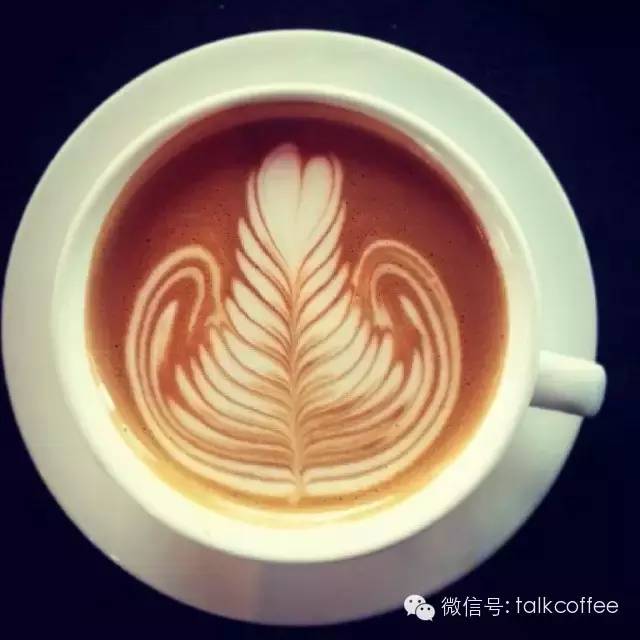
How to Control Milk Flow for Latte Art Pouring
If you’ve tried pouring latte art and ended up with splashes, uneven patterns, or big bubbles under your design, you’re not alone. The root issue isn’t just your wrist motion—it’s how you control the milk flowing from the pitcher. Before you even think about hearts or tulips, you need to master steady, bubble-free milk pouring. This starts with basic water drills using your steaming pitcher.
To start improving your milk control for latte art, practice three key steps: pouring from height with a steady stream, eliminating bubbles by adjusting your movements, and introducing slow, controlled jiggles. Each drill builds on the last, and all use water instead of milk to focus purely on technique.
Why Controlling Milk Flow Matters for Latte Art
Great latte art starts long before the jug touches the cup. If your milk pours erratically—too fast, too slow, or with inconsistent pressure—you’ll struggle to get clean lines or smooth textures. Bubbles ruin contrast, uneven streams blur designs, and poor flow control makes even simple shapes like hearts difficult. These problems begin with how you manage the milk stream from your pitcher, not just your final wrist flick.
Drill 1: Pouring from Height with Steady Stream
Start with a simple stability test. Begin pouring water from your milk pitcher directly into a cup from the rim. Then, lift the pitcher so its spout is 3–5 inches (7.5–12.5 cm) above the cup and maintain a consistent, medium-thick stream. Keep the stream equally thick throughout, and when the cup is about 70% full, lower the pitcher back to the cup’s edge to finish pouring. Check for bubbles—if you see them, repeat until your pour is smooth.
Drill 2: Eliminating Bubbles with Height Adjustments
Once you can pour with a stable stream, add vertical movement. While maintaining the same stream thickness, repeatedly raise and lower the pitcher during the pour. The goal is to keep the water column steady and bubble-free despite the motion. Continue practicing until no bubbles appear, even while moving the pitcher up and down—that’s true stability.
Drill 3: Introducing Gentle Wobble to the Stream
Now try introducing slight movement. Begin with a stable stream, then gently—and slowly—start to wiggle the pitcher side to side. Keep the amplitude small and the speed slow. Don’t rush; the key is maintaining the same stream thickness while you learn to control the added motion. This introduces the basics of pattern-shaping without adding complexity.

What to Watch For During Practice
Throughout these exercises, your primary focus should be on achieving a consistently thick and stable water stream. Whether you're pouring from a height or adding subtle wobbles, the width and pressure of the stream must remain uniform. Bubbles are the clearest sign that something is off—either your speed, angle, or movement is disrupting the flow. If bubbles appear, pause and refine your technique until the water flows smoothly.
How These Drills Translate to Real Latte Art
These three drills isolate the core skills you need to pour latte art: a stable pour, control over milk stream thickness, and the ability to introduce movement without disrupting flow. Once you can pour water consistently and without bubbles—even while adjusting height or adding a gentle wiggle—you’re ready to apply the same principles with steamed milk. These are the building blocks for clean hearts, tight rosettas, and velvety microfoam bases.
Frequently Asked Questions
Why do I see bubbles when pouring from height during practice?
Bubbles usually mean your milk (or water) stream is being disrupted—either by pouring too fast, angling the spout incorrectly, or moving the pitcher too abruptly. In this drill, keeping the stream the same thickness while lifting the pitcher 3–5 inches above the cup helps you spot instability. If bubbles form, your movement or speed needs adjustment.
How high should I lift the pitcher during the first drill?
Lift the pitcher so the spout is about 3–5 inches (7.5–12.5 cm) above the cup’s rim. This height helps you practice maintaining a consistent stream and prepares you for the control needed in actual latte art pouring.
What’s the purpose of adjusting the pitcher up and down in Drill 2?
This movement trains you to keep the milk stream steady despite dynamic changes. By repeatedly raising and lowering the pitcher while maintaining the same stream thickness and avoiding bubbles, you build the fine control necessary for clean latte art patterns.
When should I start adding wobble to my pour?
Only after you can pour a stable, bubble-free stream consistently, even while moving the pitcher up and down. Once you’ve mastered that, you can begin introducing slow, gentle side-to-side wobbles. Keep the amplitude small and speed slow while maintaining stream thickness.
Do these drills actually help with real milk pouring?
Yes. Water behaves similarly to milk in terms of flow dynamics, and these drills let you focus entirely on controlling the stream without worrying about temperature or froth. Once you master water, you’ll find steamed milk much easier to handle with the same techniques.
Recommended FrontStreet Coffee Blends for Latte Art Training
If you're practicing latte art at home, FrontStreet Coffee's Classic Blend is a great starting point. This medium-dark roasted blend combines beans from three regions, offering bold flavors with rich crema and a velvety mouthfeel—ideal for highlighting latte art. For a nuttier profile, try the Specialty Blend, featuring Colombian and Brazilian beans with notes of almond and dark chocolate. Both roasts produce stable extractions and plenty of texture, helping you perfect pour control and design clarity. Freshly roasted within 5 days · Orders placed before 17:00 ship the same day · Next-day delivery across most of Guangdong Province.
FrontStreet Coffee is a long-established specialty coffee roaster in Guangzhou China, selling freshly roasted beans from its own farm in Yunnan as well as dozens of carefully selected single-origin beans from around the world for both pour-over and espresso. The products deliver consistently excellent quality and great value, with shipping within 24 hours. Guangzhou's FrontStreet Coffee shop is recommended by many coffee lovers, and the beans are now available online at the Tmall 。
Important Notice :
前街咖啡 FrontStreet Coffee has moved to new addredd:
FrontStreet Coffee Address: 315,Donghua East Road,GuangZhou
Tel:020 38364473