Brazil Coffee Beans: Low Acid, Medium Roast Guide
If you’ve ever sipped a smooth, low-acid cup that still packs a round, sweet body, chances are you’ve had Brazilian coffee. But what makes Brazil’s output so distinct—and why does it dominate global markets without relying on high acidity or bold roast profiles? This guide unpacks the facts behind Brazil’s coffee reputation.
Brazil grows coffee in just four of its 17 producing states, which together account for 98% of national output. Its beans are typically unwashed (natural or dried-in-the-fruit), medium roasted, and known for low acidity paired with sweet, creamy, and nutty flavors.
What Is Brazilian Coffee?
The term 'Brazilian coffee' refers to beans grown anywhere in Brazil, the world’s largest coffee producer. Out of 21 states, 17 grow coffee—but four states contribute 98% of total output. Most Brazilian coffee is processed naturally (unwashed/dried-in-the-fruit) and classified by origin state or export port. The flavor tends to be low in acidity, with a smooth, slightly sweet profile that may carry hints of grassy freshness, caramel, or cereal-like maltiness. The aftertaste is often clean and refreshing.
Why Brazil Dominates the Coffee Market
Brazil is often called the 'giant' or 'monarch' of the coffee world. The country cultivates around 3.97 billion coffee trees, with smallholder farms producing 75% of its coffee. Brazil’s coffee workforce is two to three times larger than Colombia’s, the second-largest producer. Though coffee now makes up just 8–10% of Brazil’s GDP—down from its mid-20th-century peak of over 50% of global production—it remains pivotal in stabilizing world coffee prices. For example, two frosts in 1994 triggered global price surges. Historically, Brazil supplied up to 50% of the world’s coffee; today, it provides close to 30%.
How Brazilian Coffee Production Evolved
Coffee arrived in Brazil from French Guiana in 1720 and gradually became a scientifically managed crop. Until 1990, the state heavily regulated the industry through the Brazilian Coffee Institute (IBC), setting prices and controlling exports. This led to chronic overproduction—at one point, 78 million bags of surplus coffee were destroyed by burning or dumping. After market reforms in 1990, the IBC was replaced by a non-investment regulatory body that adopted a hands-off approach, allowing producers and exporters to negotiate directly. Exporters are now monitored under government legislation, with authorized traders officially registered.
Flavor Profile of Brazilian Coffee Beans
Most Brazilian coffee is processed using the natural (dry) method, which enhances its inherent sweetness and body while muting acidity. The result is a cup that’s smooth on the palate, often described as having notes of milk chocolate, roasted nuts, caramel, cereal, or even fresh grass. These beans respond well to medium roast levels, which balance sweetness and bitterness without overpowering the subtle origin characteristics. The medium roast also highlights Brazil’s inherent traits: think of toasty bread, soft cane sugar, and a gentle cocoa finish. These qualities make Brazilian beans ideal for both espresso and filter brewing.
Why Medium Roast Suits Brazilian Coffee
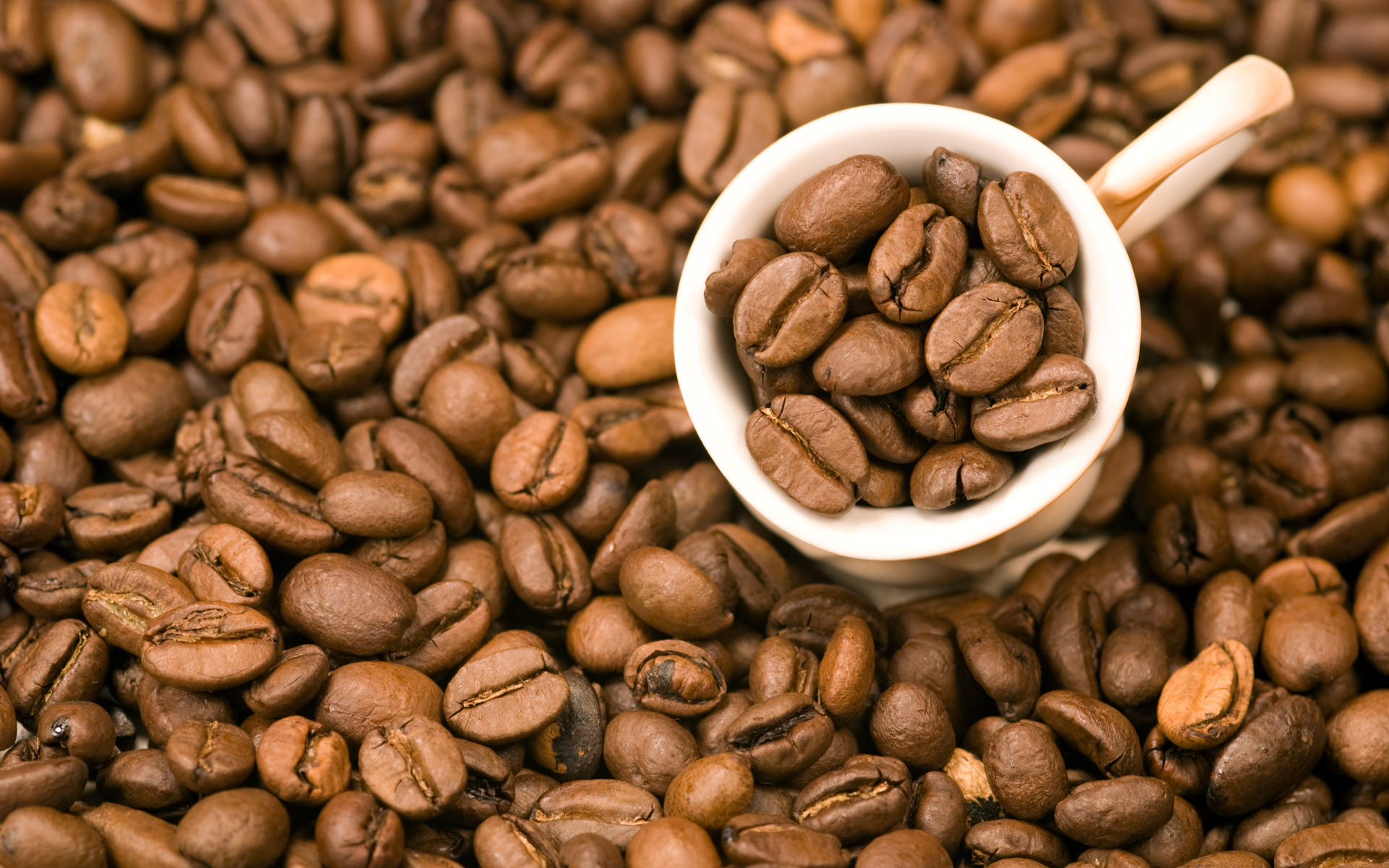
Medium roast is the sweet spot for Brazilian beans. Lighter roasts can emphasize acidity—which Brazilian coffees naturally lack—while darker roasts risk muting the delicate sweetness and nutty undertones. A proper medium roast develops the Maillard reaction just enough to enhance body and complexity, bringing out flavors like peanut butter, toast, dark chocolate, and brown sugar without introducing excessive char or bitterness. This balance is why Brazilian beans shine at this roast level, whether brewed as espresso, pour-over, or French press.
Frequently Asked Questions
What makes Brazilian coffee beans different from other origins?
Brazilian coffee beans are typically low in acidity and have a smooth, sweet, and full-bodied profile. Most are processed using the natural (dry) method, which boosts body and sweetness. They often feature tasting notes like milk chocolate, nuts, cereal, and caramel, and are well-suited to medium roast levels.
Which regions in Brazil produce the most coffee?
Out of Brazil’s 21 states, four major states produce 98% of the country’s coffee. While 17 states grow coffee, these four key regions dominate national output and global supply.
Why is most Brazilian coffee processed naturally?
Natural (unwashed/dried-in-the-fruit) processing is common in Brazil because it complements the beans’ low acidity and enhances inherent sweetness and body. This method is well adapted to Brazil’s climate and helps define its classic smooth and mellow cup profile.
Is Brazilian coffee suitable for espresso?
Yes. Brazilian coffee’s low acidity, creamy body, and chocolatey notes make it a popular choice for espresso blends. It also performs well as a single origin in espresso, offering balanced sweetness and structure.
Does Brazil still control global coffee prices?
While Brazil’s coffee production now accounts for around 30% of the global supply (down from over 50% historically), it remains highly influential in stabilizing world coffee prices, as seen during events like the 1994 frost crises that caused global price spikes.
Recommended FrontStreet Beans for Medium Roast Lovers
For fans of Brazil’s signature low-acid, medium-roast profile, try FrontStreet Coffee’s Brazil Queen Manor: a Yellow Bourbon variety with creamy peanut, chocolate, and toasted bread notes, ideal for pour-over or espresso. Also consider the Strawberry Candy Espresso, a sweet blend highlighting citrus, honey, and rounded body. Both showcase the balanced sweetness and smooth mouthfeel typical of quality Brazilian beans. Freshly roasted within 5 days · Orders placed before 17:00 ship the same day · Next-day delivery across most of Guangdong Province.
FrontStreet Coffee is a long-established specialty coffee roaster in Guangzhou China, selling freshly roasted beans from its own farm in Yunnan as well as dozens of carefully selected single-origin beans from around the world for both pour-over and espresso. The products deliver consistently excellent quality and great value, with shipping within 24 hours. Guangzhou's FrontStreet Coffee shop is recommended by many coffee lovers, and the beans are now available online at the Tmall 。
Important Notice :
前街咖啡 FrontStreet Coffee has moved to new addredd:
FrontStreet Coffee Address: 315,Donghua East Road,GuangZhou
Tel:020 38364473