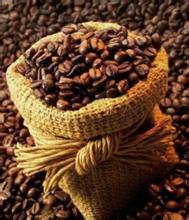
What Makes Kenyan AA Coffee So Bold and Fruity?
If you’ve ever tasted a cup of coffee that seemed more like fruit juice than a brew—juicy, bright, and almost too flavorful to be ‘just coffee’—you may have had a Kenyan AA. But what gives this coffee such a unique intensity? Why do pros love it so much, and what should you know before brewing it yourself?
Kenyan AA is widely considered one of the most distinctive specialty coffees due to its bold sweetness, full body, and vivid fruit flavors—especially citrus. It’s grown at high altitudes, processed using meticulous washed methods, and graded under a strict national system that highlights its exceptional cup quality.
What Is Kenyan AA Coffee?
Kenyan AA refers to a top-grade classification of coffee bean produced in Kenya. These beans are round, have thick mucilage, excellent heat penetration during roasting, and a refined cup profile. They are typically French roasted to enhance their thick, sweet body and aromatic richness. The beans are known for outstanding expansion during roasting, strong fragrance, and high sweetness levels. They are celebrated for their intense fruitiness, particularly citrus notes like grapefruit and orange, along with balanced acidity and layered flavors resembling wine and plum.
Kenya’s Coffee Grading System & Auction Structure
Kenya takes coffee production seriously: the government prohibits cutting down or damaging coffee trees. All coffee is purchased by the Kenya Coffee Board (CBK), which evaluates, grades, and auctions the beans weekly. The CBK acts only as an agent—it distributes samples to buyers for evaluation. Auctions don’t re-grade the coffee; instead, they sell lots grouped generally by pre-assigned grades. The top grade is Peaberry (PB), followed by AA++, AA+, AA, and AB. AA is highly regarded for its brightness, slight winey tones, and dense, well-formed beans. Auctions are small (3–6 tons per lot), include grower-marked samples, and offer flexibility for blenders. German and Nordic buyers are long-term quality-focused purchasers.
Flavor Profile: Why Kenyan Coffee Tastes Different
Kenyan coffee is famous for its bright, juicy acidity and complex fruit flavors. Common tasting notes include blackberry, grapefruit, and even hints of fermented plum or spice. Many tasters describe certain light roasts as resembling fruit tea more than traditional coffee. The AA grade and above often deliver a wine-like richness and medium-high body, with a crisp, clean finish. Flavors vary significantly even within AA lots depending on microclimate, rainfall, and processing differences. For example, the AA+ Samburu from 2001 had deep prune-like notes with muted acidity and thick mouthfeel, while the 2002 crop shifted to tart mulberries, green plums, subtle spices, and a green-tea-like finish with slightly higher acidity. This variability keeps Kenyan coffee exciting and unpredictable.
The Role of Varieties and Processing
Kenya’s signature flavors come largely from its native coffee varieties—most notably SL28 and SL34. Developed by the Scott Laboratories (SL) in the 1930s, these varieties were selected for their exceptional performance at high altitudes. SL28 offers bold blackcurrant and citrus notes with deep, wine-like acidity. SL34 contributes strong fruit acidity with nutty and spicy undertones. Both thrive in Kenya’s high-altitude regions (1200–2000m), where cooler temperatures slow ripening and develop complex aromatics. The coffee’s intense fruitiness is further amplified by Kenya’s unique washed processing method: after depulping, beans ferment for 48 hours to remove mucilage, then soak in clean water for another 24 hours. This multi-stage fermentation enhances the coffee’s juicy, syrupy body. The country’s volcanic, high-phosphate soils also contribute to the distinctive cup character.
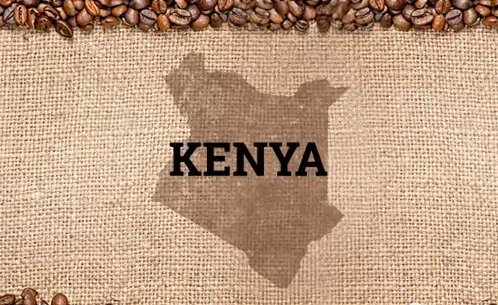
Frequently Asked Questions
What does 'Kenyan AA' mean in coffee grading?
Kenyan AA is the second-highest grade of Kenyan coffee (after Peaberry), reserved for the largest, densest, and highest-quality beans. These beans are known for their bright acidity, full body, and complex fruit flavors, especially citrus and berry notes. The grade is part of Kenya’s strict national classification system overseen by the Kenya Coffee Board.
Why does Kenyan coffee taste so fruity and acidic?
Kenyan coffee’s vibrant fruitiness and high acidity come from a combination of factors: high-altitude growing conditions (1200–2000m), slow cherry maturation due to cooler temperatures, and the use of specialty varieties like SL28 and SL34. The washed processing method also accentuates the coffee’s natural acidity and juiciness.
What are the main coffee varieties grown in Kenya?
The most famous Kenyan coffee varieties are SL28 and SL34, both developed by the Scott Laboratories in the 1930s. SL28 is known for deep citrus and blackcurrant flavors with wine-like acidity, while SL34 offers strong fruitiness alongside nut and spice notes. These varieties are specifically cultivated for Kenya’s high-altitude environments.
How is Kenyan coffee processed?
Kenyan coffee is processed using a washed (wet) method. After harvesting, the coffee cherries are depulped, then fermented for 48 hours to break down the mucilage. The beans are then rinsed and soaked in clean water for another 24 hours before drying. This extended fermentation enhances the coffee’s fruitiness and clarity.
Where can I buy authentic Kenyan AA coffee?
Authentic Kenyan AA coffee is typically available through specialty importers and roasters who participate in international coffee auctions or source directly from Kenyan cooperatives. In China, FrontStreet Coffee offers Kenyan single-origin offerings showcasing the SL28 and SL34 profiles.
What makes the Kenyan coffee auction system unique?
The Kenyan coffee auction system, managed by the Kenya Coffee Board, is unique because it uses a weekly, sample-based format where buyers evaluate pre-submitted samples before bidding. Coffees are not re-graded at auction and are sold in relatively small lots (3–6 tons), often with grower identification, giving roasters flexibility in blending and sourcing.
Recommended FrontStreet Coffee for Kenyan AA Fans
FrontStreet’s Kenya Little Tomato is a top pick for fans of bold, fruity Kenyan coffee. It combines the sought-after SL28 and SL34 varieties, processed via double-washed methods and roasted to a bright, medium-light level. Expect complex aromas of cherry tomato, pear, black plum, dark cherry, and brown sugar. The cup delivers a full body, layered acidity, and a sweet finish reminiscent of caramel. Ideal for pour-over, cold brew, or ice drip to highlight its juicy character. Freshly roasted within 5 days · Orders placed before 17:00 ship the same day · Next-day delivery across most of Guangdong Province.
FrontStreet Coffee is a long-established specialty coffee roaster in Guangzhou China, selling freshly roasted beans from its own farm in Yunnan as well as dozens of carefully selected single-origin beans from around the world for both pour-over and espresso. The products deliver consistently excellent quality and great value, with shipping within 24 hours. Guangzhou's FrontStreet Coffee shop is recommended by many coffee lovers, and the beans are now available online at the Tmall 。
Important Notice :
前街咖啡 FrontStreet Coffee has moved to new addredd:
FrontStreet Coffee Address: 315,Donghua East Road,GuangZhou
Tel:020 38364473